
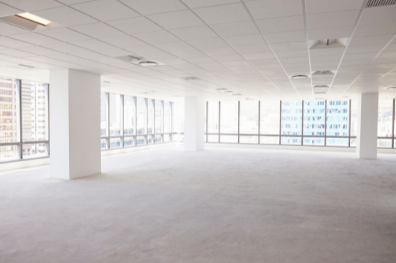
Why Specialist Unoccupied Property Insurance Is Essential
Empty properties are more vulnerable to risks that standard landlord insurance or commercial property insurance policies often exclude after a vacancy period. Here are the key risks:
Water Damage
Burst pipes or leaks, especially in unheated buildings
Fire and Natural Disasters
Fire, lightning, earthquake, explosion, or aircraft impact (FLEEA)
Theft and Vandalism
Break-ins, squatters, or malicious damage
Renovation Risks
Damage during construction or shopfit works
Financial Loss
Lost rental income or business interruption
Important: Standard policies often exclude these risks after 30-60 days of vacancy. Specialist unoccupied property insurance ensures comprehensive protection.
What Does Unoccupied Property Insurance Cover?
Key coverage options for residential, commercial, or mixed-use properties include. Portfolio landlords with void periods should pay particular attention to loss of rent protection:
FLEEA Cover
Protection against fire, lightning, explosion, earthquake, and aircraft impact
Full Perils Cover
Includes theft, vandalism, storm, and flood
Property Owners' Liability
Covers claims for injury or damage involving visitors or contractors
Contents Coverage
Protects furniture, fixtures, equipment, or stock stored on-site
Legal Expenses
Covers costs for evicting squatters or resolving disputes
Renovation Coverage
Essential for structural renovations or commercial fit-outs
Insurer Conditions for Coverage
Most insurers require specific conditions to be met to maintain cover:
Regular Inspections
Conduct and document inspections every 7–14 days with dated photos or reports
Water System Management
Shut off and drain water systems in winter or unheated properties
Security Upgrades
Install deadlocks, window locks, and for commercial properties, intruder alarms or CCTV
Property Maintenance
Clear combustible waste, maintain gardens or grounds, and keep exterior in good repair
Prompt Repairs
Address storm damage or other issues quickly to avoid further loss
Tips to Reduce Premiums and Risks
Document Inspections
Keep a detailed log with photos to meet policy requirements and demonstrate compliance
Prevent Water Damage
Drain water systems to avoid costly burst pipe claims, especially in winter
Maintain Appearances
Mow lawns, clear gutters, and empty mailboxes to deter vandals or squatters
Notify Insurers of Works
Inform your provider about renovations or fit outs to secure appropriate coverage
Increase Excesses
Consider higher excesses for specific perils like theft or escape of water to reduce premiums
Choosing the Right Insurer
- Choose specialists with unoccupied property expertise
- Check for flexible terms on inspection frequency
- Ensure renovation work can be covered if needed
- Understand exclusions and policy conditions
- Consider short-term and long-term options
Frequently Asked Questions
What is unoccupied property insurance?
Unoccupied property insurance is specialist coverage for empty residential, commercial, or mixed-use properties. It protects against risks like water damage, theft, vandalism, and fire when standard policies typically exclude coverage after 30-60 days of vacancy.
When do I need unoccupied property insurance?
You need this insurance when a property will be empty for more than 30-60 days due to tenant turnover, awaiting sale, renovations, probate proceedings, or any extended vacancy period.
What's the difference between FLEEA and full perils cover?
FLEEA cover protects against Fire, Lightning, Explosion, Earthquake, and Aircraft impact - it's often the minimum coverage after vacancy periods. Full perils cover includes additional risks like theft, vandalism, storm, and flood.
What conditions do insurers require for unoccupied properties?
Typical requirements include: Regular inspections every 7-14 days with documented evidence, shutting off and draining water systems, installing enhanced security measures, maintaining the property exterior, and promptly addressing any damage.
Does unoccupied property insurance cover renovation work?
Basic unoccupied policies may exclude renovation work. You typically need a contract works extension or specialist renovation cover for structural changes, building work, or commercial fit-outs.
How can I reduce my unoccupied property insurance premiums?
Ways to reduce costs include: Documenting regular inspections with photos, draining water systems to prevent burst pipes, maintaining good exterior appearance, installing security systems, and considering higher excesses.
Key Takeaways
- Standard insurance often excludes cover after 30-60 days vacancy
- FLEEA cover is often the minimum; consider full perils for comprehensive protection
- Regular inspections and good maintenance are typically required
- Renovation work may need additional cover
- Work with specialist brokers for the best terms