Whether you have a single buy-to-let flat or manage a portfolio of rental properties across the UK, the right landlord insurance policy can shield you from financial losses that would otherwise come straight out of your pocket. In this guide, we explain the core covers, optional extras, common exclusions, and how to choose landlord insurance that genuinely fits your circumstances.
What Is Landlord Insurance?
Landlord insurance is a package of covers designed specifically for properties let to tenants, and it is distinct from standard home insurance that you would arrange for a property you live in yourself. While a typical home insurance policy assumes the owner occupies the building and protects their personal possessions, a landlord insurance policy addresses the different risks that come with renting out residential or mixed-use property.
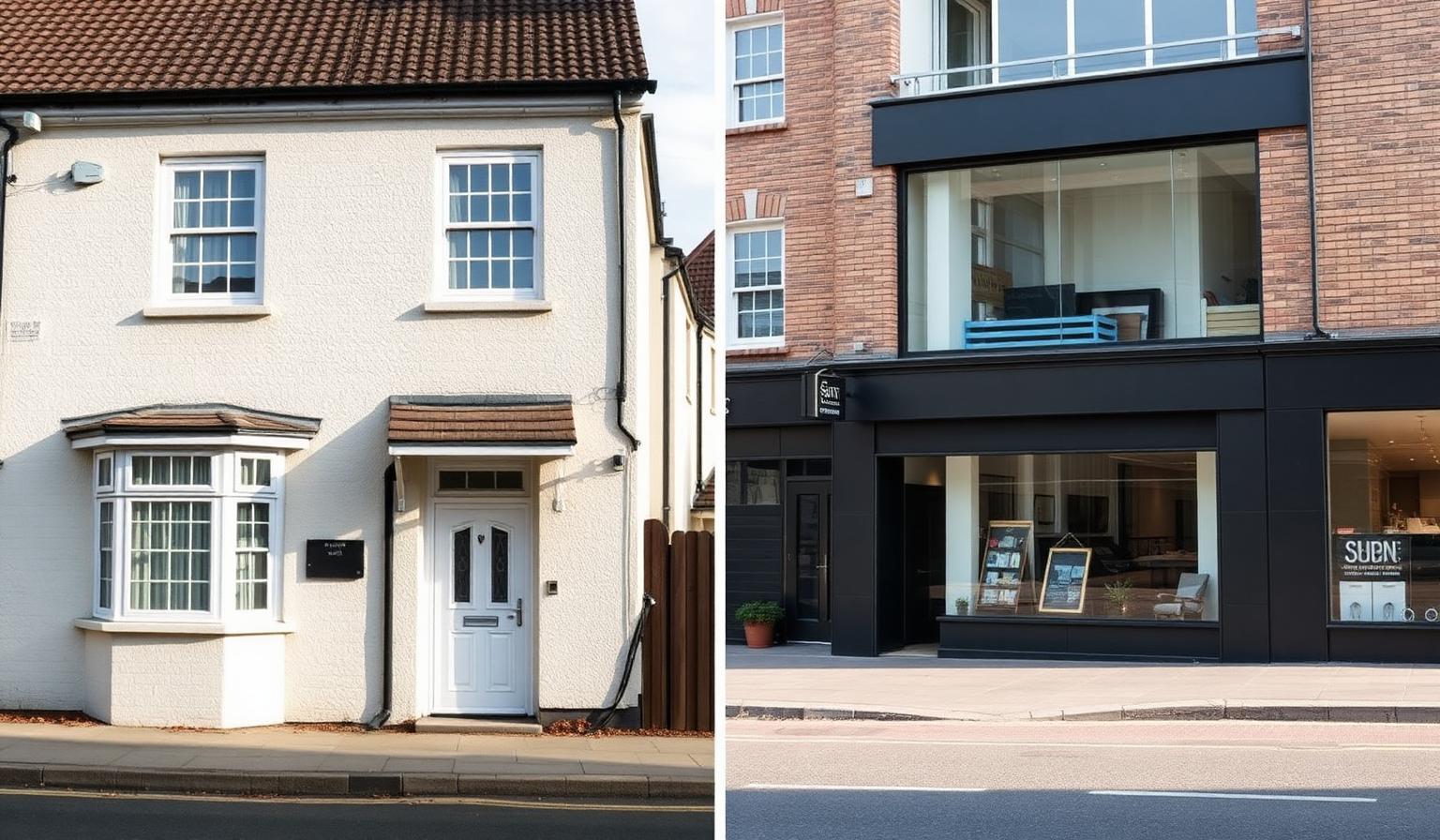
These risks include physical damage to the building itself, liability for injury or damage to tenants and visitors, and protection for your rental income if the property becomes uninhabitable. The structure of your policy should reflect whether you are letting a single buy-to-let property, managing a portfolio of houses, or dealing with more complex arrangements such as houses in multiple occupation or blocks that mix residential and commercial properties.
It is worth noting that insurer wordings differ considerably. Two policies both labelled as landlord insurance will not automatically protect against the same perils or offer the same limits of indemnity. This is why we, at Taurus Risk, work with landlords to place their risks with rated UK insurers and Lloyd's markets, arranging cover to the specific tenancy type, property construction, and claims history involved.
Standard Insured Perils
Fire & Explosion
Protection against fire damage and explosions
Storm & Flood
Cover for weather-related damage including escape of water
Theft
Protection against theft and attempted theft
Also typically covered: impact damage from vehicles or aircraft, subsidence, heave, and landslip. Getting your sums insured right is critical-buildings insurance should reflect the rebuilding cost rather than market value.
Buildings Insurance
Buildings insurance is almost always the core of a landlord insurance policy and is usually required under UK buy-to-let mortgage conditions. Without it, your mortgage lender may refuse to release funds or could call in the loan if they discover the property is uninsured.
Beyond the main building, policies often extend to external elements such as paths, drives, patios, boundary walls, gates, fences, and permanent outbuildings like garages, provided these are declared to the insurer.
Need buildings insurance for your rental property?
Get a tailored quote from our specialist landlord insurance team.
Landlords' Contents Insurance
Landlords' contents insurance applies to items you, as the landlord, own and leave at the property for tenants to use. It does not cover tenants' belongings, which fall outside a typical landlord policy entirely.
| Item Type | Examples |
|---|---|
| Furniture | Sofas, beds, wardrobes, dining tables, chairs |
| White goods | Washing machines, fridges, freezers, dishwashers |
| Soft furnishings | Curtains, blinds, carpets |
| Electrical items | Light fittings, small appliances left for tenant use |
Tenants should arrange their own contents insurance to protect laptops, clothing, jewellery, and other personal possessions. We advise landlords to review inventories at the start and end of each tenancy, ideally with dated photographs.
Liability Cover for Landlords
Property owners' liability, sometimes called landlord liability insurance, protects you against claims where a tenant, visitor, or member of the public alleges they suffered injury or property damage due to conditions at the rental property that you, as landlord, are responsible for.
In the UK, limits commonly range from £2 million to £10 million depending on property type and portfolio size. For landlords with HMOs, blocks with communal areas, or properties in busy urban locations, we often advise higher limits due to greater footfall and exposure.
Liability cover does not remove your legal obligations. You must still carry out regular inspections, hold valid gas safety certificates, arrange electrical testing, and comply with the Housing Health and Safety Rating System.
If you employ anyone to help manage or maintain your properties, such as a cleaner, gardener, or handyman, you may also need employers' liability cover, which is a legal requirement when you have employees.
Unsure about your liability limits?
Our brokers can review your exposure and recommend appropriate cover.
Loss of Rent and Alternative Accommodation
Standard loss of rent cover is usually triggered when an insured event makes the property uninhabitable so that rent cannot lawfully be collected. Common examples include a fire that guts the building or a major escape of water that forces tenants to move out while repairs are completed.
This cover replaces the rental income you would have received during the repair period, helping you meet mortgage payments, service charges, and other ongoing costs.
Important Distinction
Loss of rent insurance is distinct from rent guarantee insurance, which responds when a tenant simply stops paying rent despite the property remaining perfectly usable. The two covers address different risks and should not be confused.
Optional Covers and Add-Ons
Many crucial landlord protections sit outside the basic policy wording and need to be added consciously. Failing to consider these options can leave significant gaps that only become apparent when you make a claim.
Accidental Damage
Sudden, unintentional damage not covered under standard perils
Malicious Damage by Tenants
Deliberate destruction by tenants, often available with higher excesses
Legal Expenses
Possession proceedings, deposit disputes, debt recovery
Home Emergency Cover
24/7 access to contractors for boiler breakdowns, burst pipes, locks
Rent Guarantee
Covers non-payment of rent by tenants, distinct from loss of rent
Terrorism Cover
Protection against damage caused by acts of terrorism
How Much Does Landlord Insurance Cost?
Landlord insurance cost varies widely across the UK, so only guidelines and influencing factors can sensibly be discussed rather than generic price promises.
| Factor | Impact on Premium |
|---|---|
| Property type | Flats, terraced houses, detached homes, and HMOs are rated differently |
| Location | Inner London boroughs typically attract higher premiums than smaller towns |
| Construction | Non-standard construction (timber frame, flat roof, thatched) increases risk |
| Age of property | Older properties may have higher subsidence, escape of water, and fire risks |
| Claims history | Previous claims in the last five years can significantly affect pricing |
| Tenant type | Students, benefit claimants, or occupants in high-risk trades may affect terms |
Want to compare landlord insurance quotes?
We benchmark multiple UK insurers to find competitive terms for your property.
Choosing the Right Landlord Insurance
The right landlord insurance depends on factors such as portfolio size, tenant mix, property condition, and your tolerance for risk and excesses. A policy that works well for one landlord may leave another seriously exposed.
At Taurus Risk, we benchmark multiple insurers, negotiate terms for portfolios, and help landlords understand less obvious clauses like average, unoccupancy conditions, and security requirements.
For property portfolios, placing all your properties with one insurer on one renewal date can simplify administration and may secure better terms. We routinely structure portfolio policies for landlords with properties across different UK regions, ensuring each address, tenancy type, and sum insured is properly recorded.
Frequently Asked Questions
Is landlord insurance a legal requirement in the UK?
Landlord insurance is not legally required, but buildings insurance is almost always a condition of buy-to-let mortgages. Employers' liability is legally required if you employ anyone to help manage properties.
Does landlord insurance cover tenant damage?
Standard policies typically exclude deliberate tenant damage. Malicious damage by tenants can be added as an optional extension, sometimes with higher excesses or specific conditions.
What is the difference between loss of rent insurance and rent guarantee insurance?
Loss of rent insurance covers rental income lost when an insured event (such as fire or flood) makes the property uninhabitable. Rent guarantee insurance covers non-payment by tenants, which is a separate risk.
Does landlord insurance cover tenants' belongings?
No. Landlord contents insurance only covers items you own and leave at the property for tenants to use. Tenants should arrange their own contents insurance for personal possessions.
How much does landlord insurance cost?
Costs vary widely based on property type, location, construction, age, claims history, and tenant type. An independent broker can benchmark multiple insurers to find competitive terms for your specific circumstances.