Insurance quotes for commercial property can vary significantly between insurers, even for seemingly similar buildings. That variation reflects how underwriters assess risk across location, construction, occupancy, claims history, sums insured, and policy structure.
This guide explains how insurers calculate commercial property insurance premiums in the UK and what you can do to influence pricing.
Why Insurance Quotes for Commercial Property Vary So Significantly
When insurers provide insurance quotes for commercial property, they assess:
Two buildings of identical size can receive materially different quotes depending on postcode, tenant mix, roof type, flood exposure, and previous claims. Insurance pricing is not arbitrary-it is actuarially driven and risk-weighted.
Property Location and Geographic Risk
Location remains one of the strongest drivers of insurance quotes for commercial property.
Flood Risk
Environment Agency data assesses river, coastal, and surface water flooding exposure
Subsidence Risk
Clay soil, mining history, and proximity to trees affect ground movement risk
Crime Statistics
Postcode crime data directly affects theft and malicious damage premiums
Flood Risk
Insurers use Environment Agency flood mapping and proprietary modelling tools to assess river, coastal, and surface water flood exposure.
Surface water flooding is now assessed separately from river flooding due to increased urban drainage failures. Flood risk does not automatically make a property uninsurable, but it will materially influence commercial building insurance cost.
Subsidence and Ground Conditions
Subsidence risk correlates with:
Properties in former mining areas or high clay content regions may attract higher subsidence excesses. Importantly, previous subsidence does not automatically prevent future cover. Where remedial works have been completed and supported by a structural engineer's report confirming stability, insurers will often provide terms, though usually with adjusted pricing.
Crime Rates
Postcode crime statistics directly affect theft and malicious damage premiums. Urban commercial areas may attract higher insurance quotes for commercial property despite better security infrastructure due to frequency of incidents. Isolated rural premises may also see higher premiums if delayed emergency response increases potential loss severity.
Construction and Physical Characteristics
The way a building is constructed significantly influences commercial property insurance premiums.
Standard vs Non-Standard
Brick/stone with slate or tile roofing achieves the most competitive rates
Flat Roofs
Flat roofs can attract premium loadings due to escape of water risk, depending on material and condition
Age and Listed Status
Pre-1900 and listed buildings often face higher premiums due to specialist requirements
Standard vs Non-Standard Construction
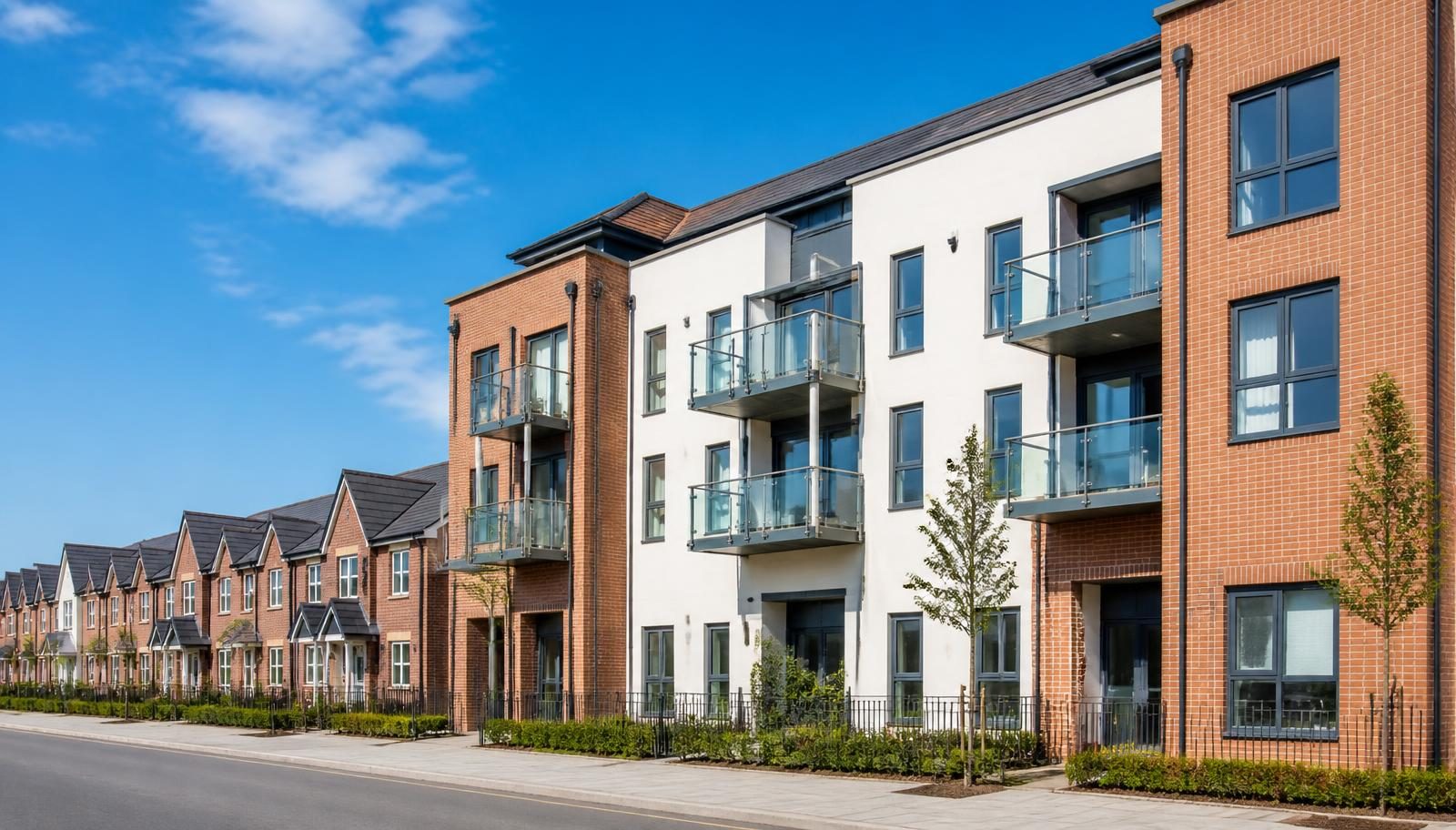
Standard construction (brick or stone walls with slate, tile, concrete, or metal roof) achieves the broadest insurer appetite and most competitive quotes.
Non-standard construction may increase cost, including:
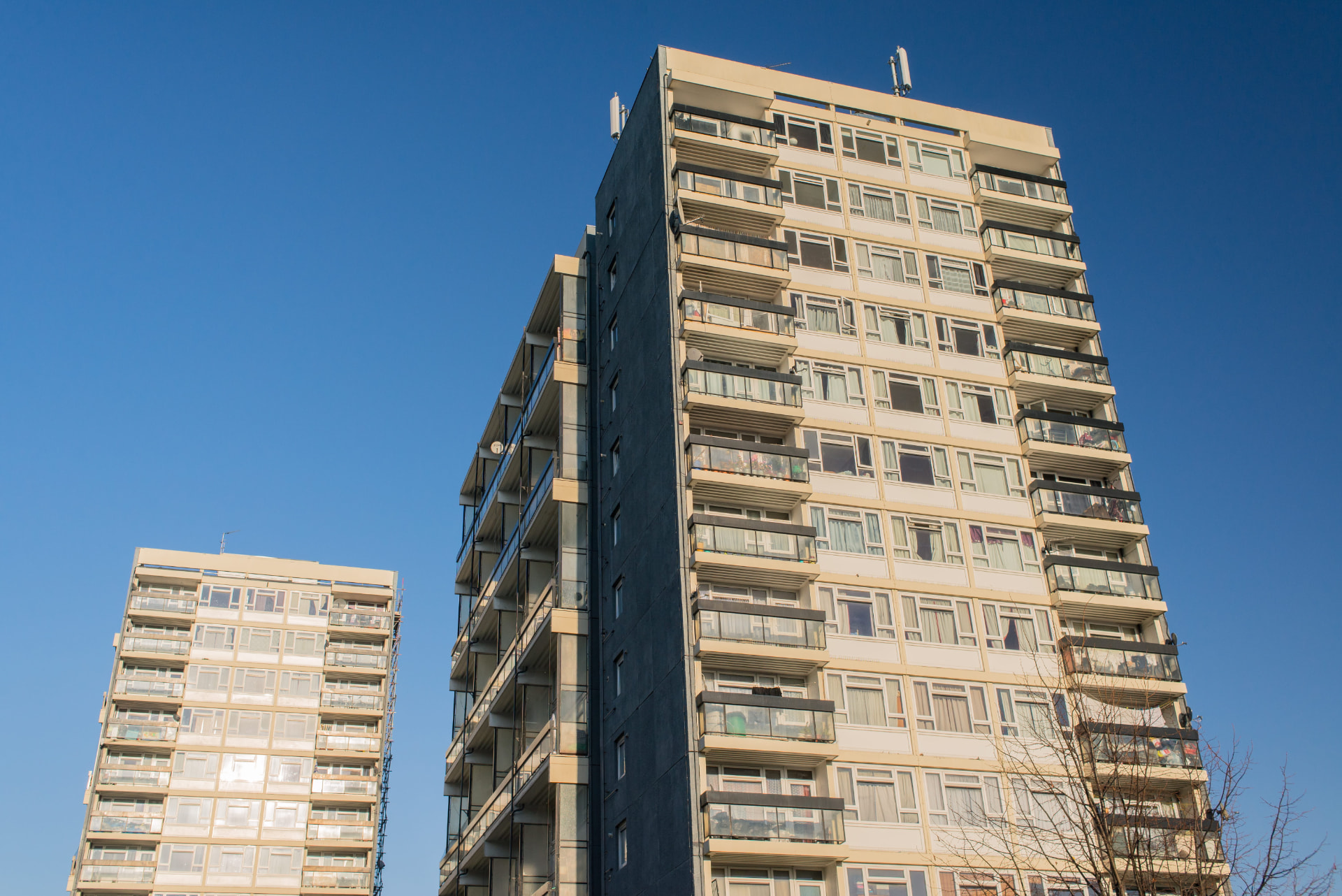
Following building safety scrutiny in recent years, certain cladding materials can reduce insurer appetite or increase premiums materially.
Flat Roofs
Flat roofs can attract premium loadings due to escape of water risk, though this depends on roof material, age, and maintenance history rather than being automatic.
Roof material matters:
Age and Listed Status
Pre-1900 properties and listed buildings often attract higher insurance quotes for commercial property due to:
Accurate reinstatement cost assessments are critical for heritage or listed buildings.
Occupancy Type and Tenant Risk
The type of tenant occupying a property materially affects pricing.
Lower-Risk Occupancies
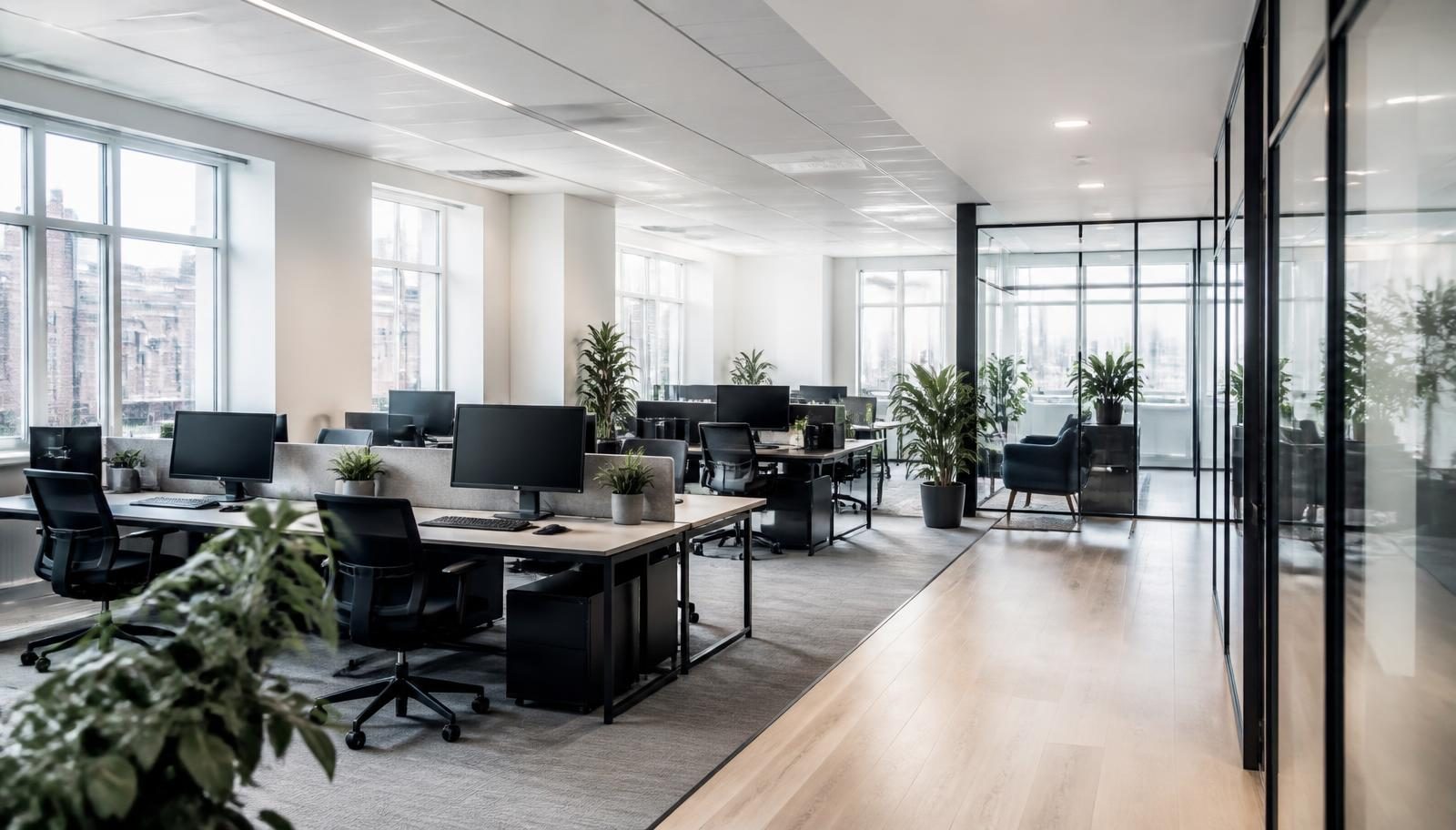
Offices and professional services usually achieve competitive premiums
Higher-Risk Occupancies
Restaurants, takeaways, nightclubs, and manufacturing attract higher rates
Vacant Property
Properties vacant 30-60+ days trigger restrictions on standard policies
Lower-Risk Occupancies
These usually achieve competitive landlord insurance quotes.
Higher-Risk Occupancies
Premiums increase for:
In mixed-use properties, insurers often rate based on the highest-risk occupancy within the building.
Vacant Property
Properties vacant for 30-60 consecutive days typically trigger restrictions. Standard policies often limit cover during extended unoccupancy to:
Other perils such as escape of water, theft, and storm damage are commonly restricted. Specialist unoccupied property insurance maintains broader protection where needed.
Sums Insured and Reinstatement Values
One of the most common causes of distorted insurance quotes for commercial property is inaccurate sums insured.
Buildings Reinstatement Cost
Premiums are calculated per £1,000 of declared reinstatement value. Reinstatement cost includes:
Important: Market value is not the same as reinstatement cost. Underinsurance triggers the average clause, reducing claims settlements proportionately.
Loss of Rent and Business Interruption
Landlords typically insure loss of rent to protect income during reinstatement following insured damage. Longer indemnity periods increase premium but protect against extended rebuild timelines.
Claims History
Claims history significantly affects insurance quotes for commercial property. Insurers typically review the previous five years.
Frequency Matters
Multiple small claims often concern insurers more than a single large loss, as they suggest systemic issues. Repeated escape of water claims may indicate maintenance deficiencies.
Severity
Large fire, flood, or subsidence claims can influence pricing for several years. Historic subsidence must always be disclosed, regardless of when it occurred.
No-Claims History
A sustained claims-free period may support premium reductions and stronger insurer appetite. However, claiming for smaller losses can affect future pricing and discount structures.
Maintenance and Risk Management
Insurers view maintenance standards as a predictor of future losses. Documented programmes covering:
can positively influence insurance quotes for commercial property. Failure to maintain statutory compliance may result in coverage restrictions or declinature.
Security and Fire Protection
Security and fire systems influence pricing significantly. Measures that can improve underwriting perception include:
Important: Security conditions must be operational at time of loss to support claims.
Policy Structure and Optional Covers
Coverage selection directly affects insurance quotes for commercial property. Optional extensions commonly influencing premium include:
Not all properties require every extension. A landlord without machinery exposure, for example, may not need engineering cover. Tailoring coverage scope appropriately avoids overpaying.
Voluntary Excess
Higher voluntary excesses generally reduce annual premiums. However, certain perils may attract compulsory excesses:
Excess selection should align with liquidity and risk tolerance.
Insurer Appetite and Market Conditions
Insurance quotes for commercial property also vary due to insurer appetite. Some insurers specialise in:
Market cycles influence pricing across the sector. After a hard market period since 2020, capacity has begun to stabilise in several commercial property classes, though flood and subsidence risks remain sensitive.
Frequently Asked Questions
Securing Competitive Insurance Quotes for Commercial Property
Obtaining strong insurance quotes for commercial property requires accurate presentation of risk, appropriate sums insured, and access to insurers with appetite for your specific property type.
Working with a specialist broker ensures your property is positioned correctly in the market and avoids unnecessary premium loadings caused by incomplete or inaccurate underwriting information.