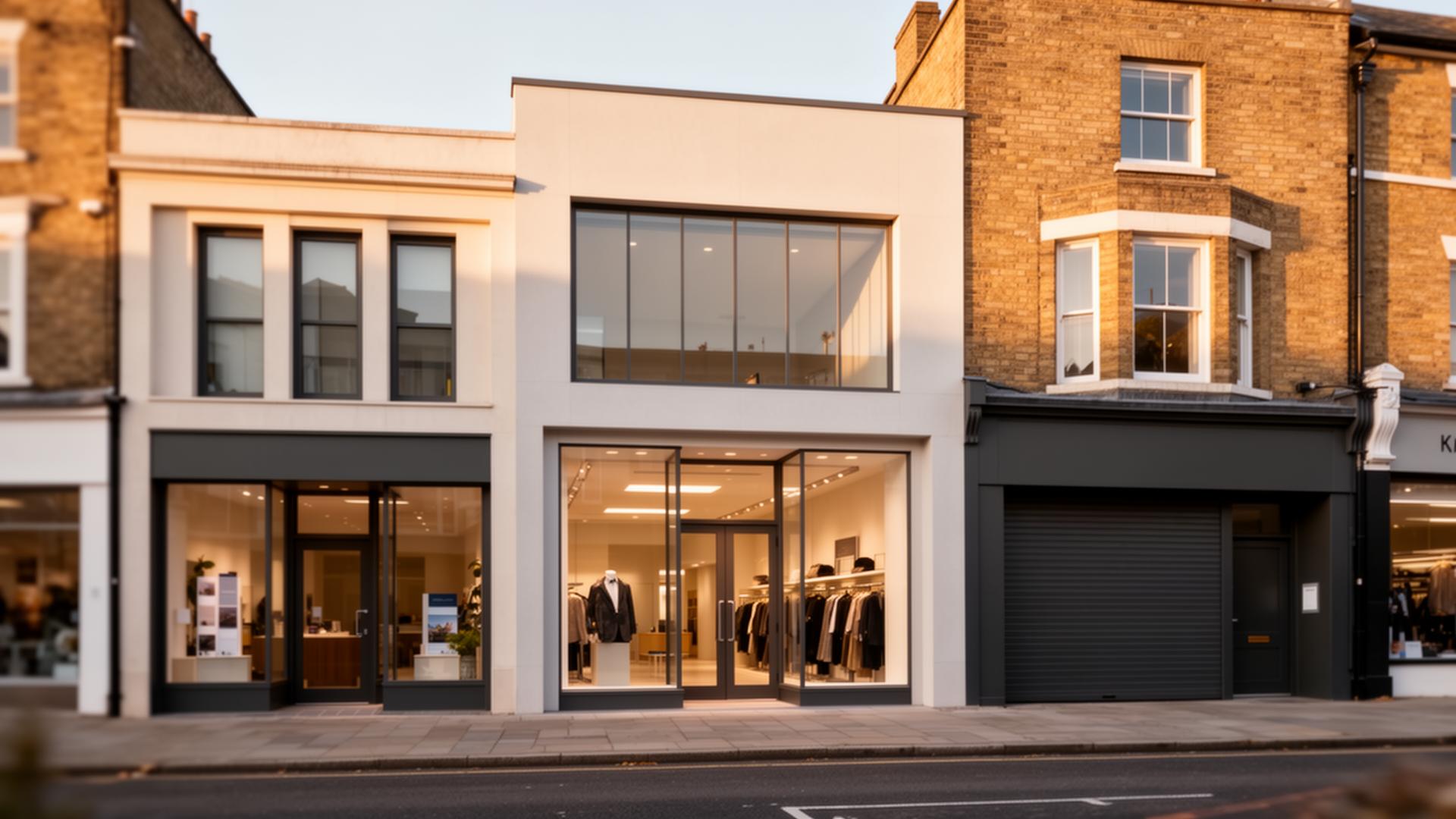
Business building insurance protects the structure of the premises you operate from - whether that is a serviced office, a high-street shop, an industrial unit or a mixed-use building. The cover is similar across property types, but the right wording, sums insured and add-ons differ significantly depending on what you do and how you occupy the space.
This guide walks through what business building insurance looks like for the three most common UK premises types, with cross-references to our office insurance and commercial property insurance pages.
What Is Business Building Insurance?
Business building insurance is the section of a commercial property policy that covers the physical structure of a property used for business purposes. It pays to reinstate the building if it is damaged or destroyed by an insured event - fire, flood, storm, escape of water, theft, malicious damage, impact and (on an all risks wording) any other accidental damage not specifically excluded.
It is typically bought by owner-occupiers, commercial landlords and tenants whose lease requires them to insure the structure. Tenants on a standard full repairing and insuring (FRI) lease usually rely on the landlord's policy and reimburse the premium via the rent or service charge.
Business Building Insurance by Property Type
Offices
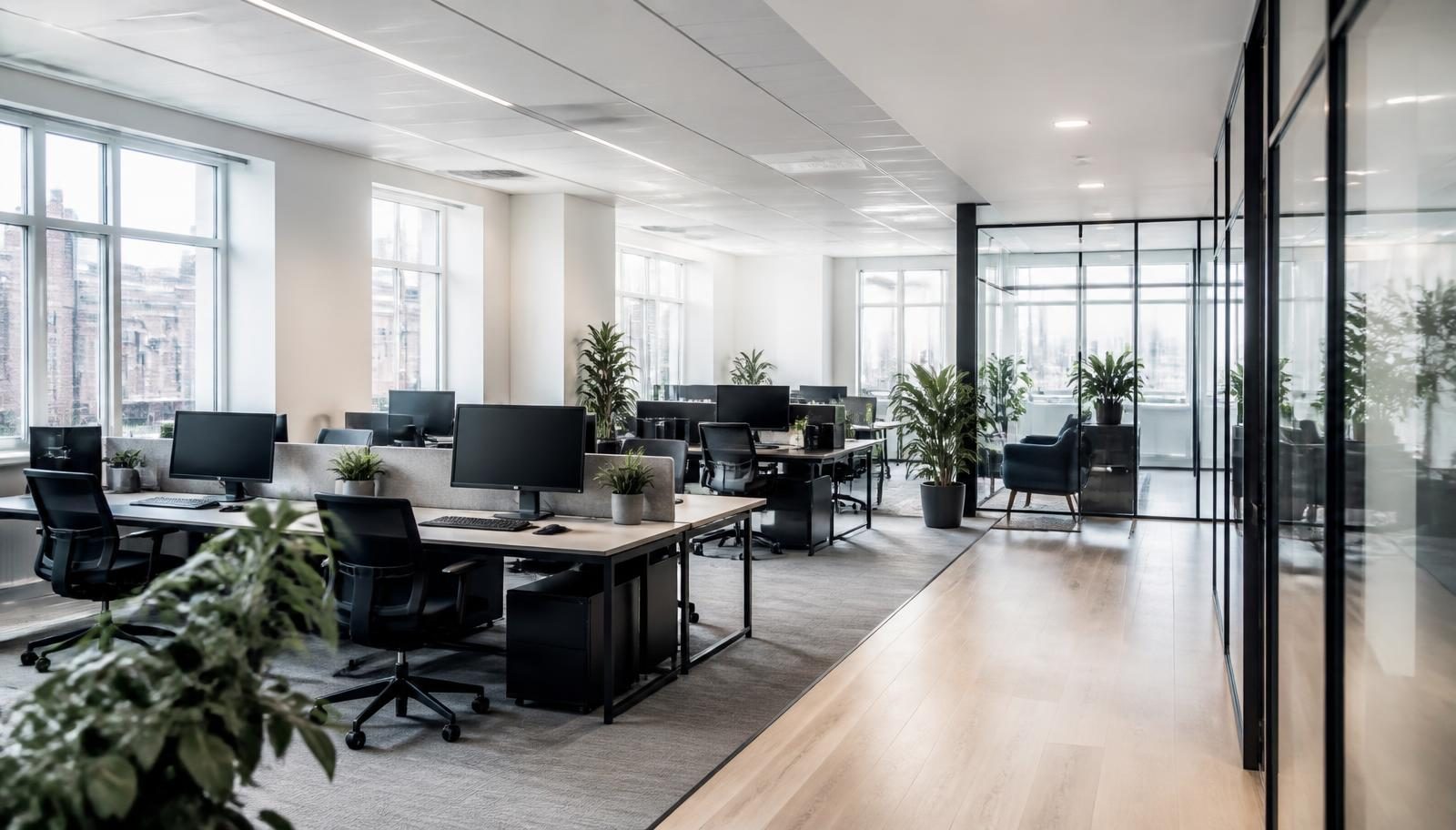
Offices are usually the lowest-rated commercial occupancy from an insurer's perspective: low fire load, limited stock, limited public access. The risk profile shifts when the office is in a mixed-use building, hosts a high volume of visitors, contains significant IT or laboratory infrastructure, or is part of a serviced-office offering. Sums insured should reflect the cost of rebuilding to a comparable specification - open-plan office fit-out costs have risen sharply, and tenant improvements are often underinsured.
Shops and retail units
Retail risk varies enormously with the trade carried out. A high-street pharmacy is a very different risk to an off-licence, a vape shop or a fast-food outlet. Insurers price the structure on the trade, location, footfall, hours of opening, and the security and fire protection in place. Plate-glass shopfronts, illuminated signs, awnings and external structures are usually included up to a sub-limit, but worth reviewing if you have expensive glazing.
Shopkeepers leasing a unit need to check the lease carefully: most FRI leases push responsibility for shopfront replacement and tenant-installed fit-out onto the tenant, while the landlord insures the main structure. The two policies need to dovetail.
Industrial and light commercial units
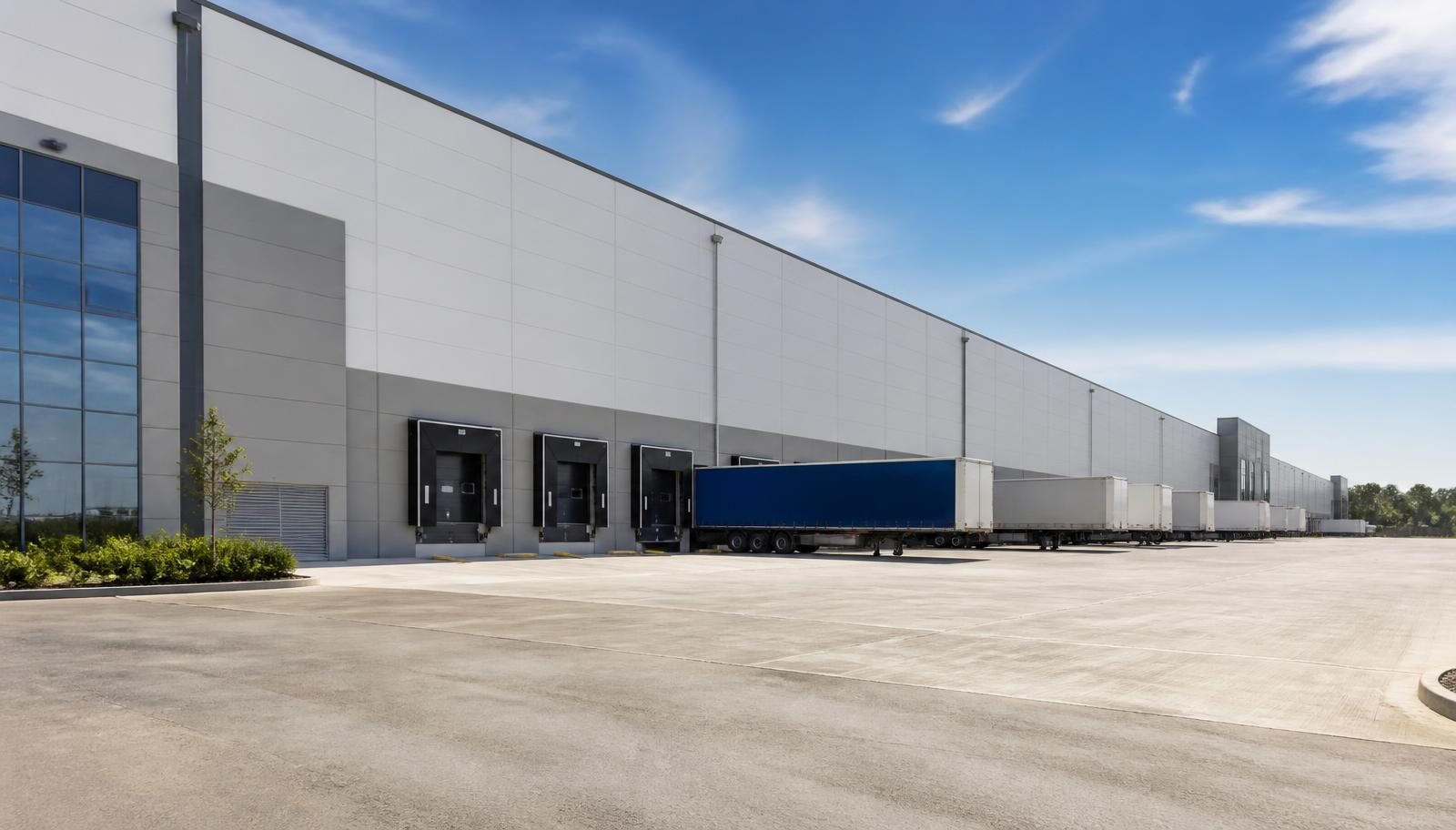
Industrial units are rated on construction (steel-framed clad units are common, composite-panel construction attracts additional scrutiny since the high-profile fires of the last decade), trade, fire load and stock value. Sprinkler systems, fire alarms and yard security all influence the rate. Most insurers expect a clear-cut waste and housekeeping regime; failure to maintain it is a common cause of claims being reduced.
What Is Included as Standard?
A modern UK business buildings wording will typically include:
- Fire, lightning, explosion, aircraft and impact
- Storm, flood, escape of water and burst pipes
- Theft involving forcible entry
- Malicious damage and riot
- Subsidence, heave and landslip (with a higher excess)
- Trace and access for hidden water leaks
- Property owners' or occupiers' liability
- Glass and signs to a sub-limit
Useful Optional Extensions
- Business interruption - replaces gross profit lost while the premises are out of use
- Tenant's improvements - covers tenant-installed fit-out a landlord policy may not insure
- Goods in transit and money cover
- Engineering inspection and breakdown for plant, lifts and pressure systems
- Terrorism - particularly for properties in central London or near recognisable targets
- Legal expenses and tenancy disputes for landlords
Why use a specialist broker?
We place cover with leading UK insurers, negotiate terms on your behalf and stay with you through renewals and claims.
- Whole of market access to leading UK insurers
- Policy wordings checked line by line, not price alone
- Same day quotes and claims support from a named broker
Same day quotes, no obligation
Owner-Occupier vs Tenant
The split of responsibilities between landlord and tenant is one of the most misunderstood aspects of UK commercial property insurance. As a rule of thumb:
| Responsibility | Landlord typically insures | Tenant typically insures |
|---|---|---|
| Structure | Main structure, roof, foundations, common parts | - |
| Operations | - | Contents, stock, business interruption |
| Liability | Property owners' liability | Employers' and public liability |
| Fit-out | - | Tenant-installed fit-out and improvements |
| Glass / shopfront | Depends on lease - check carefully | Depends on lease - check carefully |
How Much Does It Cost?
For a typical UK small office or shop, business building insurance can sit anywhere from a few hundred to a few thousand pounds a year, depending on the sum insured and the trade. Industrial units are usually higher. The cheapest premium is rarely the right policy: small differences in wording on unoccupancy, sum insured basis, BI indemnity period and exclusions can have a much bigger financial impact than the headline saving. Association of British Insurers data shows escape of water alone now accounts for the largest share of UK commercial property claims by frequency, which is why wording matters as much as price.
Common Claims Scenarios
Three claim types account for the bulk of UK business building losses: escape of water, fire and storm damage. Escape of water is the most frequent: a burst pipe in a vacant office over a long weekend, a failing rooftop AC unit, a slow leak under a fitted kitchen. Damage tends to be widespread once water has reached the floors below, and the cost of finding the source (covered by the trace and access section) can run to thousands. Fire is less frequent but more serious; even a small fire in a back-of-house area can put a retail unit out of trading for months. Storm damage is increasingly common as weather extremes affect UK roofs, glazing and external structures.
The common thread across all three is that quick notification and good record-keeping make an enormous difference to the outcome. A photo inventory of the premises, current valuations and the broker's out-of-hours number on a visible noticeboard are inexpensive measures that materially improve claims outcomes.
Lease and Landlord Considerations
For tenants, the landlord's building policy is only as good as what the lease actually requires. Some older or simpler leases require only fire and limited perils - leaving significant exposures uninsured at the structural level. Tenants on these leases should either negotiate an updated insurance clause at renewal or arrange their own contingent cover for the gap.
Landlords benefit from putting institutional-grade insurance clauses in front of tenants from the outset and reviewing the policy against the lease at every renewal.
Setting It Up Correctly
Get a professional reinstatement cost assessment, choose a wording with all risks cover and a sensible indemnity period, and work with a broker who should represent you at claim. Taurus Risk arranges office insurance and broader commercial property cover for UK businesses of every size.
Frequently Asked Questions
Is business building insurance the same as commercial building insurance?
Yes, in the UK market the terms are used interchangeably. Both refer to cover for the physical structure of a property used for business purposes.
I lease my premises - do I need building insurance?
Usually not, because the landlord arranges it. But you should still check the lease, confirm the landlord's sum insured is adequate, and arrange your own contents, stock and business interruption cover.
Do I need separate office insurance if I have business building insurance?
Office insurance is usually a broader package that includes building cover plus contents, IT, business interruption and liability tailored to office occupation. For most office-based businesses, an office insurance package is more practical than buying each section separately.
How do I value the shopfront?
Plate-glass shopfronts can run to tens of thousands of pounds once illuminated signs and frames are added. Replace at modern cost, including installation and signage. Check whether the lease puts this responsibility on you or on the landlord.
What if I sublet part of my building?
Tell your insurer. Subletting is a material change of risk and may affect both the rate and the wording. A property owners or commercial landlord wording may be more appropriate.
Are tenant improvements covered?
Not usually on the landlord's buildings policy. Tenants who fit out their unit at their own cost (partitions, kitchens, mezzanine floors, branded shopfronts) should arrange tenant's improvements cover under their own policy.