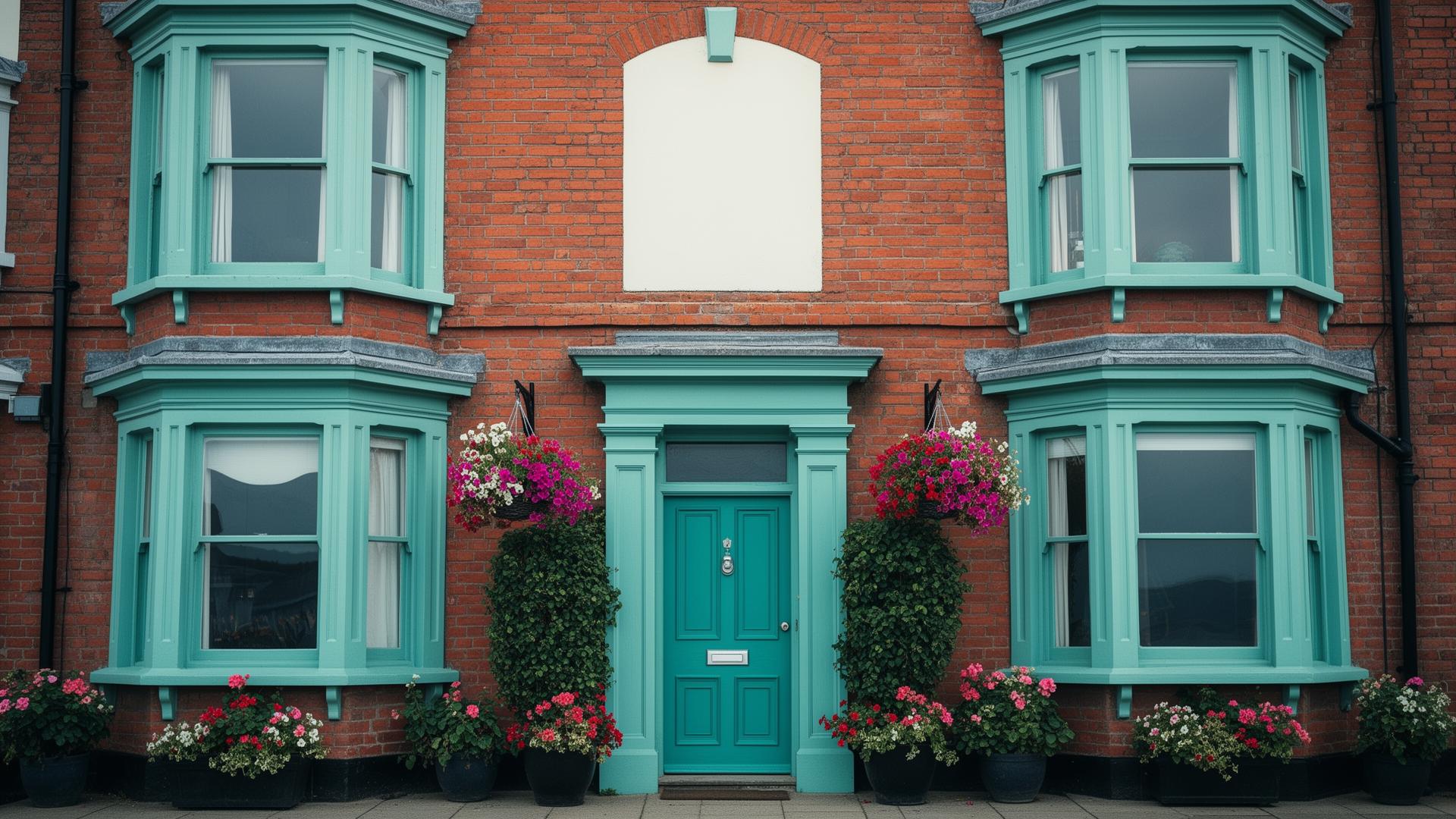
Hotel and guesthouse insurance protects the owners and operators of smaller hospitality properties — from guesthouses and bed and breakfasts to boutique hotels — against the exposures of accommodating paying guests. Smaller properties often carry the assumption that a simpler policy will do. In practice, a guesthouse faces many of the same exposures as a hotel — paying guests, employed or family staff, food service and a valuable building — just on a different scale.
What the Cover Includes
It usually brings together the same core covers as a larger hotel programme, scaled to the property.
- Buildings — the structure on a reinstatement basis, including any guest accommodation, owner's quarters and outbuildings; see our guide to commercial building insurance.
- Public liability — claims from guests and visitors who suffer injury or property damage on the premises, as explained in our guide to public liability insurance.
- Employers' liability — a statutory requirement where the guesthouse employs staff, including part-time and seasonal workers; see our guide to employers' liability insurance.
- Business interruption — the income lost if an insured event forces the property to stop or reduce trading.
- Contents and stock — furniture, fittings, equipment and food and beverage stock.
For the full range of covers a larger property may layer on top, see our hotel insurance guide.
Speak to a hotel insurance specialist
Running a guesthouse or boutique hotel? Taurus Risk arranges cover optimised for smaller properties.
How Guesthouse Risks Differ from Larger Hotels
A guesthouse often operates with fewer staff, lower guest numbers and a smaller building, which can support more proportionate premiums. At the same time, smaller properties sometimes carry features that complicate cover, such as older or listed construction, a domestic-style kitchen used commercially, or a building that doubles as the owner's home.
These features mean a standard home or commercial policy is unlikely to respond correctly, which is why this cover is arranged specifically for the trade.
Live-in Owners and Mixed-Use Premises
Many guesthouses are run by live-in owners, so the building serves as both a home and a place of business. This mixed use needs to be reflected in the cover, so that both the domestic and the commercial elements respond appropriately and personal possessions as well as trading contents are accounted for.
Declaring the live-in arrangement and the commercial use accurately at inception helps avoid disputes at claim time, and is part of the information an insurer will typically ask for.
Specialist Covers Worth Considering
Depending on the property, smaller hospitality businesses may also consider:
- Legal expenses — for employment, contract and licensing matters.
- Cyber — where the guesthouse takes online bookings and holds guest payment data, covered under our technology and cyber liability cover.
- Money — for cash taken at reception or for room payments.
- Terrorism — often driven by location, and more relevant in city-centre settings.
- Management liability — where the business is run through a limited company.
Factors That Influence Cover and Price
As with larger hotels, underwriting appetite varies. Location, claims history, construction type, the guest profile, and facilities such as a pool or spa all influence both availability and price. A clean claims record and good risk protections, such as alarms and kitchen fire suppression, can support more competitive terms. Our hotel insurance cost guide explores these drivers in more detail.
Arranging Cover for a Smaller Property
As an independent City of London brokerage, Taurus Risk arranges hotel and guest house insurance for smaller hospitality properties across the UK, placing cover with insurers who understand the trade. Our hospitality team also arranges pub insurance and restaurant cover. We optimise the programme for the property, including any live-in or mixed-use arrangement, and help ensure the cover reflects the real risk. To begin, see our guide to a hotel insurance quote.
Frequently Asked Questions
What is hotel and guesthouse insurance?
Hotel and guesthouse insurance is a specialist programme for smaller hospitality properties, combining buildings, public and employers' liability, business interruption, contents and stock, with specialist covers added according to the property.
Do I need commercial insurance for a guesthouse run from my home?
A standard home insurance policy is unlikely to cover commercial guest accommodation. A guesthouse run from home typically needs cover that reflects both the domestic and the commercial use of the building.
Is there a difference between hotel and guest house insurance?
The cover is broadly the same in principle, scaled to the size and operations of the property. A guesthouse programme is simply a smaller-scale version of a hotel programme, optimised for the property's specific features.
Does a small guesthouse need employers' liability insurance?
Where a guesthouse employs staff, including part-time or seasonal workers, employers' liability insurance is a statutory requirement under the Employers' Liability (Compulsory Insurance) Act 1969.