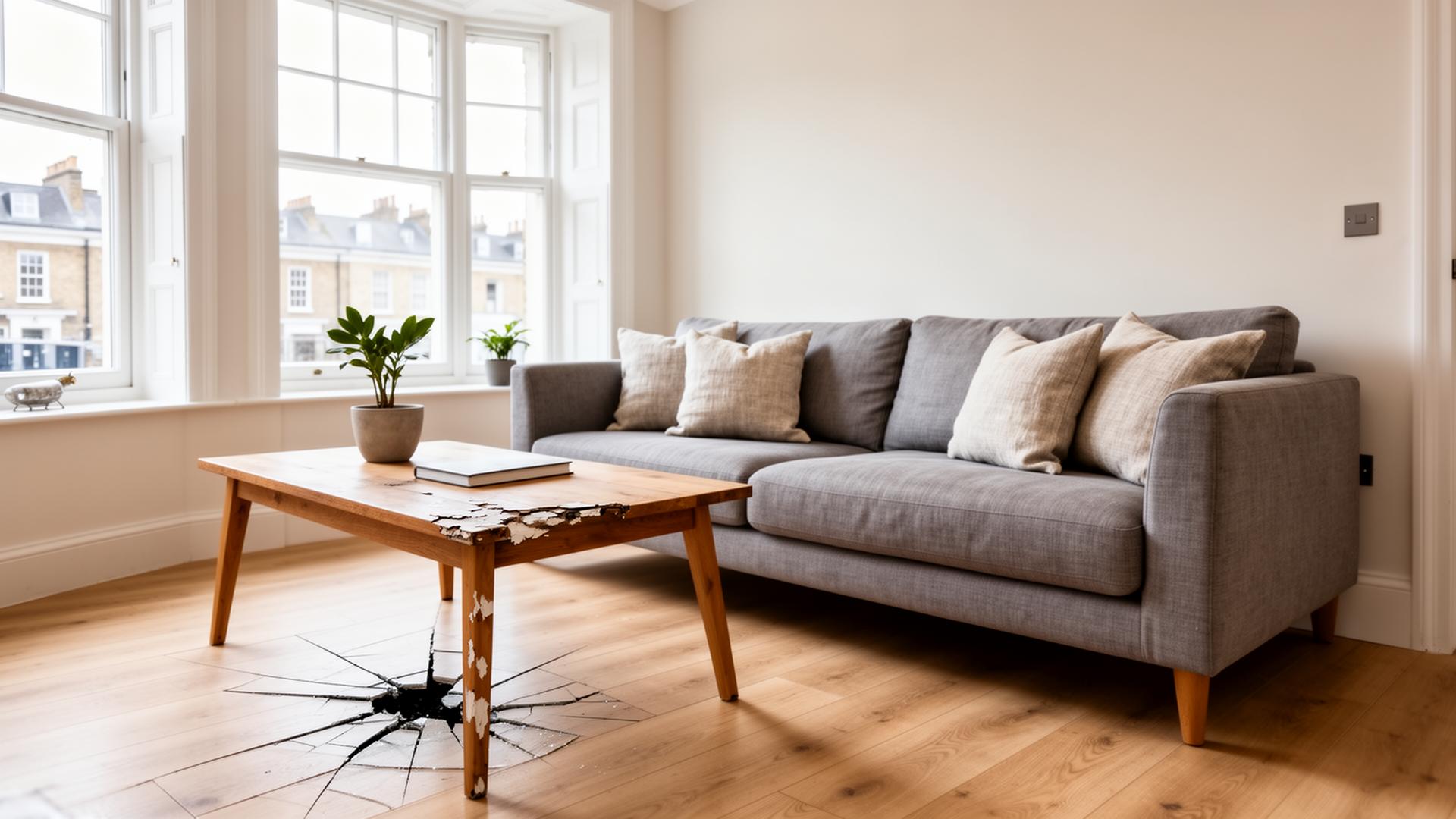
Accidental damage cover is one of the most commonly misunderstood elements of landlord insurance. Many landlords assume it is already included, only to discover when they make a claim that it is listed as an optional extension they never added. Others pay for it on every policy but have never tested whether their insurer's definition of "accidental damage" actually covers the types of incidents that occur in rental properties.
This guide explains what accidental damage landlord insurance covers in the UK, where the exclusions typically sit, whether it represents value for your specific property, and how to assess the decision properly.
What Is Accidental Damage on a Landlord Policy?
Accidental damage on a landlord insurance policy covers sudden, unintentional, and unexpected physical damage to your property or its contents caused by a specific incident, rather than by gradual wear, deliberate action, or a named peril such as fire or flood.
The key word is accidental - the damage must result from an unforeseen event rather than from natural deterioration. A cracked bath caused by a heavy object being dropped into it would typically qualify. A bath that has simply worn down over years of use would not.
It is important to understand that accidental damage is not automatically included in standard UK landlord insurance policies. Most insurers offer it as an optional extension, and you need to add it explicitly for both buildings and contents. Some policies separate the two: you may be able to add buildings accidental damage without contents accidental damage, or vice versa.
For a full picture of everything included in a standard landlord policy, see our guide to what landlord insurance covers.
What Accidental Damage Typically Covers
When accidental damage is added to a landlord policy, it typically extends cover to include:
Buildings Accidental Damage
- Cracked or broken sanitary ware (baths, basins, toilet pans)
- Damage to glass in doors and windows not caused by a named peril
- Accidental damage to fixed flooring such as tiles
- Damage to pipes, cables, and underground services caused by accidental impact
- Structural damage caused by tenants accidentally putting a foot through a ceiling or wall
Contents Accidental Damage
The exact scope of cover varies significantly between insurers. Some insurers use broad definitions that cover most unintentional physical damage; others list specific events and exclude everything else. Reading the policy wording matters considerably here.
- Broken furniture caused by an unforeseen incident
- Damaged white goods through accidental misuse
- Stained or torn carpets and soft furnishings
- Breakage of mirrors, picture glass, and other fragile items
Common Exclusions You Need to Know
Even when accidental damage is added, insurers typically exclude the following:
Wear and Tear
Gradual deterioration through normal use is explicitly excluded. A carpet worn thin over a five-year tenancy, a kitchen worktop with surface scratches from everyday cooking, or a boiler that has aged to the point of failure are not covered, regardless of how the damage looks.
Chewing or Scratching by Pets
Tenant-owned pets causing damage - scratched skirting boards, gnawed door frames, stained carpets - are almost universally excluded. Some specialist landlord policies offer a pet damage extension, but it is separate from standard accidental damage cover.
Theft, Vandalism, or Deliberate Acts
Damage caused deliberately by a tenant is excluded from accidental damage cover. This is an important distinction: a tenant who accidentally breaks a window is covered; a tenant who deliberately puts a fist through it is not. Deliberate damage by tenants requires the separate malicious damage extension, which we discuss below.
Storm or Flood Damage
These are named perils covered elsewhere in the policy. Accidental damage does not duplicate them.
Faulty Workmanship
Damage resulting from poor workmanship during repairs or renovations - whether by a contractor or by a DIY-minded tenant - is typically excluded.
Mechanical or Electrical Breakdown
Appliances that stop working due to internal failure are not accidental damage claims. A dishwasher that develops a fault is a maintenance issue, not an insurance matter. Boiler breakdown cover is a separate product from accidental damage.
Accidental Damage vs Malicious Damage by Tenants
These two covers are frequently confused but address completely different scenarios.
| Scenario | Accidental Damage | Malicious Damage by Tenants |
|---|---|---|
| Tenant drops a heavy pan, cracking the hob | ✓ Covered | - Not applicable |
| Tenant punches a hole in the wall during an argument | ✗ Not covered | ✓ Covered |
| Tenant's child draws on the walls with a marker pen | ✗ Excluded (often) | Potentially covered |
| Tenant smashes windows before leaving | ✗ Not covered | ✓ Covered |
| Unknown person breaks a window during a burglary | ✗ Not AD | ✓ Covered under theft/attempted theft |
Malicious damage by tenants is a separate optional extension available on many UK landlord policies. It covers deliberate damage caused by a tenant or their visitors, and it is especially relevant for landlords dealing with troubled tenancies, rent arrears, or properties in higher-risk locations.
For comprehensive protection, landlords renting furnished properties or letting to multiple occupants should consider both extensions together.
Why use a specialist broker?
We place cover with leading UK insurers, negotiate terms on your behalf and stay with you through renewals and claims.
- Whole of market access to leading UK insurers
- Policy wordings checked line by line, not price alone
- Same day quotes and claims support from a named broker
Same day quotes, no obligation
How Much Does Accidental Damage Cover Add to the Premium?
The additional cost of accidental damage cover varies based on the insurer, the property type, the tenancy type, and the sums insured involved. The actual addition to your premium depends on your insurer and the specific terms of your policy. In most cases, the additional cost is modest relative to the cover provided, particularly for furnished properties where tenant use is intensive. An independent broker can quantify the addition for your specific property once the overall risk has been assessed.
When Accidental Damage Cover Is Worth It
Accidental damage cover tends to represent clear value in the following situations:
Furnished properties. When you own the contents - furniture, white goods, carpets, soft furnishings - the exposure to accidental damage is considerably higher than in an unfurnished let. A single claim for a broken cooker or a damaged sofa can quickly exceed the entire additional annual premium.
HMOs and multiple occupancy. The more occupants in a property, the higher the frequency of accidental incidents. HMOs with shared kitchens and bathrooms can generate higher levels of day-to-day wear and accidental damage than single-household lets, depending on the occupant profile and how the property is managed.
Holiday lets. Short-term guests are less familiar with the property's fixtures, and accidents are more frequent. Many specialist holiday let policies include accidental damage as standard.
Higher-value properties. If the cost of replacing or repairing individual components - bespoke kitchen, quality flooring, period-appropriate fixtures - is significant, the economics of accidental damage cover shift firmly in its favour.
New landlords. If you are new to letting and have not yet developed an accurate sense of how tenants interact with your property, accidental damage cover provides a useful financial buffer while you build experience.
When You Might Not Need It
There are situations where accidental damage cover offers less value:
Unfurnished properties. If the tenant provides all the contents and the property contains only built-in fixtures, the contents accidental damage element is redundant. Buildings accidental damage may still be worth adding.
Long-term, low-turnover tenants. A professional couple who have occupied your property for seven years with no claims history represents a very different risk profile from a frequently changing tenancy.
Higher excess tolerance. If you are comfortable self-insuring smaller damage costs and want to keep your premium lean, omitting accidental damage cover is a legitimate choice - provided you understand the exposure you are retaining.
How Claims Work in Practice
When making an accidental damage claim on a landlord policy, expect the following process:
Meticulous record-keeping significantly improves the outcome of accidental damage claims. An inventory signed by the tenant at check-in and check-out, with photographs, is the single most effective step a landlord can take.
- Report the damage promptly. Most insurers require notification as soon as reasonably practicable. Delaying significantly after discovering the damage can complicate the claim.
- Provide evidence. Photographs, dated inventory records, and receipts or valuations for damaged items are essential. Landlords who conduct regular inspections and keep documented inventories are in a considerably stronger position.
- Obtain repair quotes. Most insurers request at least one - sometimes two - quotes from contractors before authorising repair or replacement.
- Pay the excess. Your policy will specify the applicable excess for accidental damage claims. Check your schedule carefully, as some policies apply different excesses for different types of damage.
- Understand betterment. If a damaged item was already old and worn, some insurers apply a betterment deduction, contributing to the cost of a new replacement but not covering the full amount.
Frequently Asked Questions
Is accidental damage cover automatically included in landlord insurance?
No. In most UK landlord insurance policies, accidental damage is an optional extension. You need to add it explicitly for both buildings and contents. Always check your policy schedule to confirm whether it is included.
Does accidental damage cover tenant negligence?
Yes, in most cases. If a tenant accidentally causes damage through negligence - leaving a tap running, for example, resulting in a flood within the property - this would typically fall under either accidental damage or the escape of water peril, depending on the circumstances.
Is pet damage covered under accidental damage?
Typically no. Damage caused by pets is usually excluded from accidental damage cover. Some insurers offer a specific pet damage extension, but this is separate and not universally available.
What is the difference between accidental damage and malicious damage?
Accidental damage covers unintentional incidents. Malicious damage covers deliberate destruction by tenants. The two covers are separate optional extensions and address different risks.
Will making a claim affect my premium?
A claim on accidental damage cover will be recorded in your claims history and may affect your renewal premium. This is a factor worth considering for minor claims where the repair cost is close to the excess level.
Understanding Accidental Damage in Context
Accidental damage cover is rarely the most expensive element of landlord insurance, but it is one of the most frequently relevant for furnished properties and higher-occupancy lets. The decision should be made based on the specific characteristics of your property, your tenancy type, and your own appetite for retaining smaller repair costs.
When reviewing accidental damage landlord insurance UK arrangements, we look at actual risk exposure rather than default assumptions to ensure optional extensions are selected correctly.