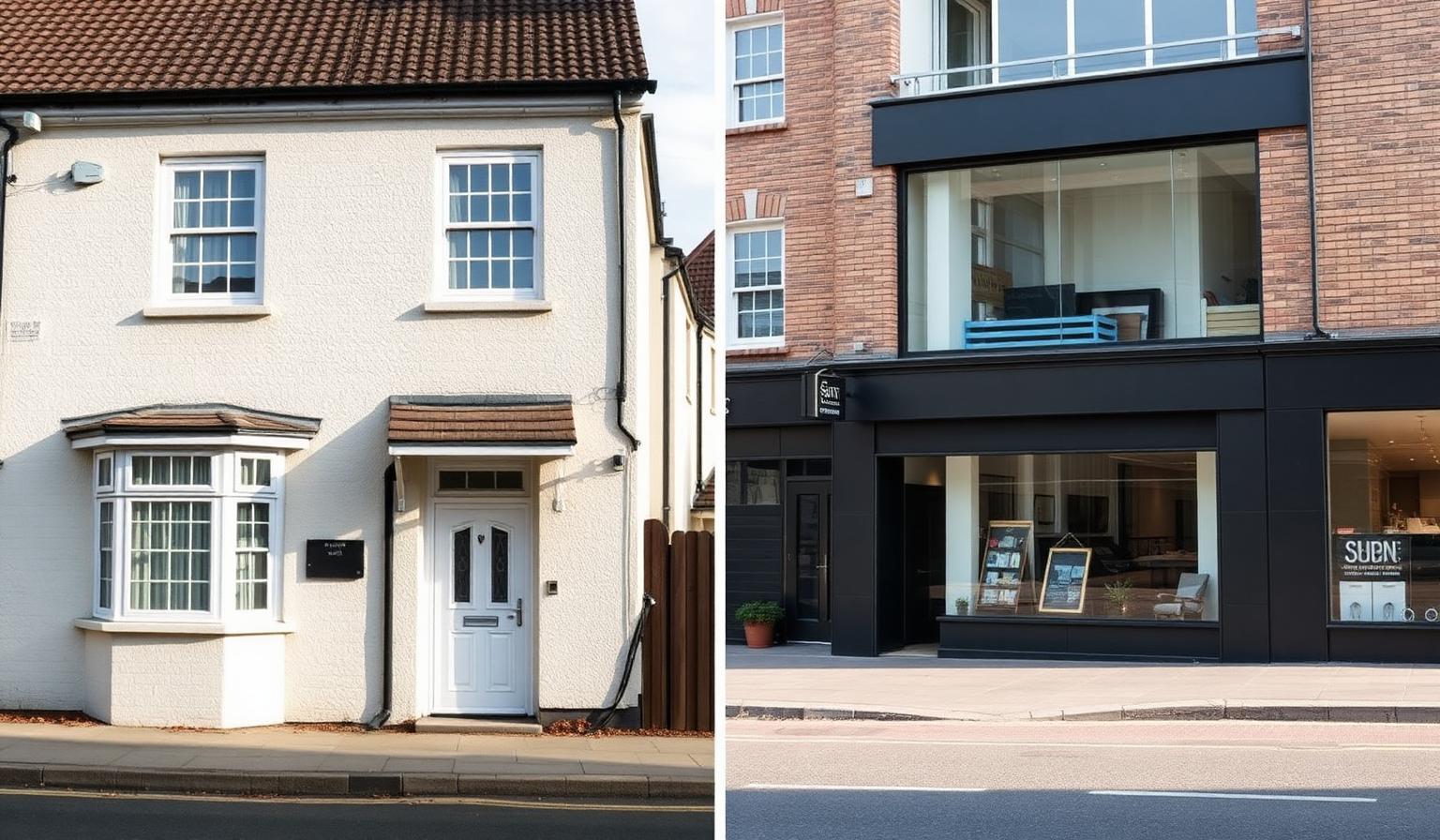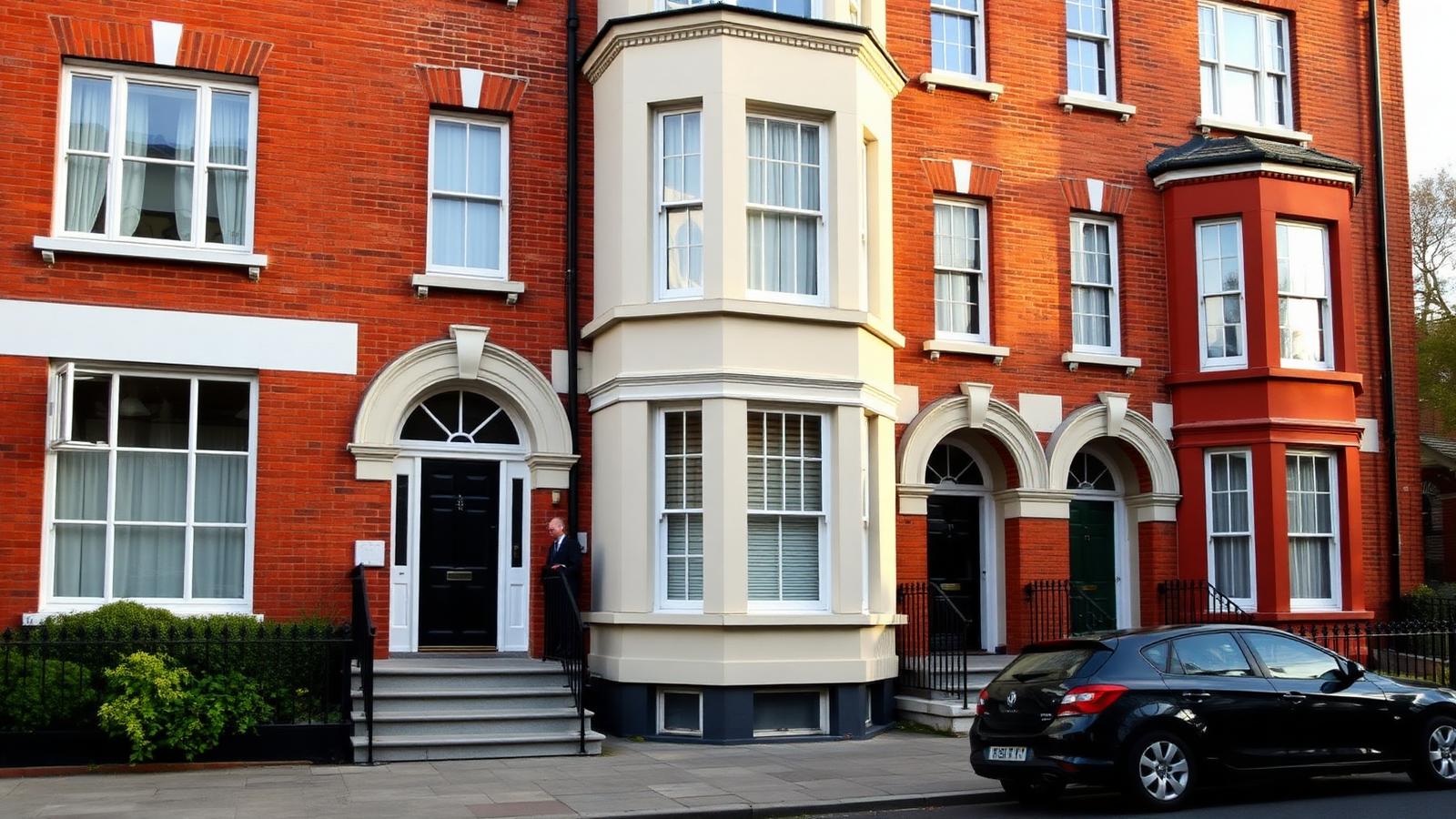
The question of who is responsible for arranging buildings insurance is one of the most frequently misunderstood aspects of property ownership in England and Wales. For freehold properties the answer is straightforward. For leasehold properties it depends on the terms of the lease. And for share of freehold arrangements, where leaseholders collectively own the freehold through a residents' management company, the obligation falls on the RMC directors directly - with personal liability consequences if they get it wrong.
Freehold vs Leasehold: A Brief Explanation
Owning the freehold means owning the building and land outright, indefinitely, with no superior landlord above you. Owning a leasehold interest means owning the right to occupy for a fixed term - historically 99, 125, or 999 years - subject to the terms of a lease granted by the freeholder, who retains ultimate ownership of the building and land. Leasehold is the dominant model for flats and purpose-built apartment buildings in England and Wales. The distinction matters enormously for buildings insurance because the lease specifies who is responsible for arranging and paying for it.
Buildings Insurance on a Freehold Property
For a freehold house, the position is simple. The freeholder owns the building and is solely responsible for arranging buildings insurance. If the property is mortgaged, the lender will require evidence of buildings insurance as a condition of the loan. For a landlord with a freehold buy-to-let, the obligation rests entirely with them regardless of who occupies it.
Buildings Insurance on a Leasehold Property
For leasehold flats, the obligation to arrange buildings insurance is determined by the lease. In the vast majority of UK leases, this falls on the freeholder rather than the individual leaseholder. The practical reason is straightforward: a block of multiple individually owned units needs a single buildings policy to avoid overlapping cover, gaps between policies, and disputes when damage affects shared areas. Under this model, the freeholder arranges the insurance and leaseholders contribute to its cost through the service charge.
What the Lease Should Say
Every leasehold flat should have a lease that explicitly addresses buildings insurance. The relevant clauses typically oblige the freeholder to arrange cover for the whole building, specify the minimum level required, allow the freeholder to recover the cost through the service charge, and require the freeholder to produce evidence of the policy on request. Some older leases create ambiguity about exactly where the freeholder's cover ends - whether internal non-structural walls, fitted items, or decorations fall to the leaseholder. If you are unsure what your lease says, a solicitor or lease advisory service can review the relevant clauses.
Why use a specialist broker?
We place cover with leading UK insurers, negotiate terms on your behalf and stay with you through renewals and claims.
- Whole of market access to leading UK insurers
- Policy wordings checked line by line, not price alone
- Same day quotes and claims support from a named broker
Same day quotes, no obligation
Service Charges and Challenging Insurance Costs
Under the Landlord and Tenant Act 1985, service charges - including the insurance element - must be reasonably incurred. If a premium appears excessive, for example because the freeholder has placed cover through a connected insurer or added a management margin, leaseholders can challenge it.
Leaseholders are also entitled under the Landlord and Tenant Act 1985 (as amended by the Commonhold and Leasehold Reform Act 2002) to request written details of the insurance within 21 days of a written request. If leaseholders believe the insurance is unreasonable, they can apply to the First-tier Tribunal (Property Chamber), exercise the Right to Manage under the Commonhold and Leasehold Reform Act 2002, or pursue collective enfranchisement to purchase the freehold outright.
Blocks of Flats: Who Arranges the Insurance?
In a conventional block with a single freeholder, the freeholder or their managing agent arranges a single buildings policy covering the whole building. This should cover the main structure, communal areas, shared services, and property owners' liability. Where the block is managed by a residents' management company, the RMC directors take on the insurance responsibility - along with the governance obligations that come with it. Our specialist block of flats insurance page sets out how we structure cover for freeholders, managing agents, and RMCs across England and Wales.
Common Buildings Insurance Disputes
Freeholder's policy doesn't cover enough. Usually caused by underinsurance - the sum insured is below the reinstatement value - or a policy that excludes the specific peril involved.
Internal vs external responsibility. Older leases can create ambiguity about what the leaseholder owns and must insure internally. A burst pipe inside a flat may or may not fall under the freeholder's policy depending on the lease and policy wording.
Freeholder fails to arrange insurance. A breach of lease obligations. Leaseholders should take legal advice and may need to arrange emergency cover while pursuing the freeholder.
Disputed liability following damage between flats. Water from an upper flat damaging a lower flat's ceiling raises questions of liability and subrogation between the buildings policy and any leaseholder or contents policies. A specialist broker can help navigate these.
Frequently Asked Questions
Do I need buildings insurance for a leasehold flat?
Usually not. The freeholder is normally responsible under the lease for insuring the whole building, and you contribute through the service charge. You should still arrange your own contents insurance for your personal possessions.
Who is responsible for freehold building insurance?
The freeholder is responsible for arranging buildings insurance on a freehold property. If the property is mortgaged, the lender will require evidence of cover and may require their interest to be noted.
If I own a leasehold flat, do I need to arrange my own buildings insurance?
In most cases, no. The freeholder is usually obliged under the lease to arrange buildings insurance. Check your lease to confirm and arrange your own contents insurance separately.
Can I arrange my own buildings insurance as a leaseholder?
Most UK leases do not permit this. The freeholder's obligation to insure the whole building on a single policy takes precedence.
Who is responsible for buildings insurance in a share of freehold arrangement?
The RMC directors are collectively responsible. This is a formal legal obligation, not an administrative task, and directors face personal liability if cover is inadequate. RMC directors should also consider D&O insurance.
What are common leasehold insurance problems?
Common problems include the freeholder placing cover with a connected insurer at an inflated premium, the lease creating ambiguity about who insures internal parts, delays producing evidence of cover, underinsurance of the whole building, and disputes over whether the premium is reasonable under the Landlord and Tenant Act 1985.
What does buildings insurance typically not cover?
Contents of individual flats, leaseholders' personal possessions, and leaseholders' internal improvements. These require separate insurance arranged by the individual leaseholder.
Specialist Cover for Blocks, Freeholders, and RMCs
Taurus Risk works with freeholders, RMCs, RTM companies, and managing agents to structure buildings insurance correctly - and to make sure the people responsible for arranging it are themselves protected through appropriate D&O cover.