What Is Block of Flats Insurance?
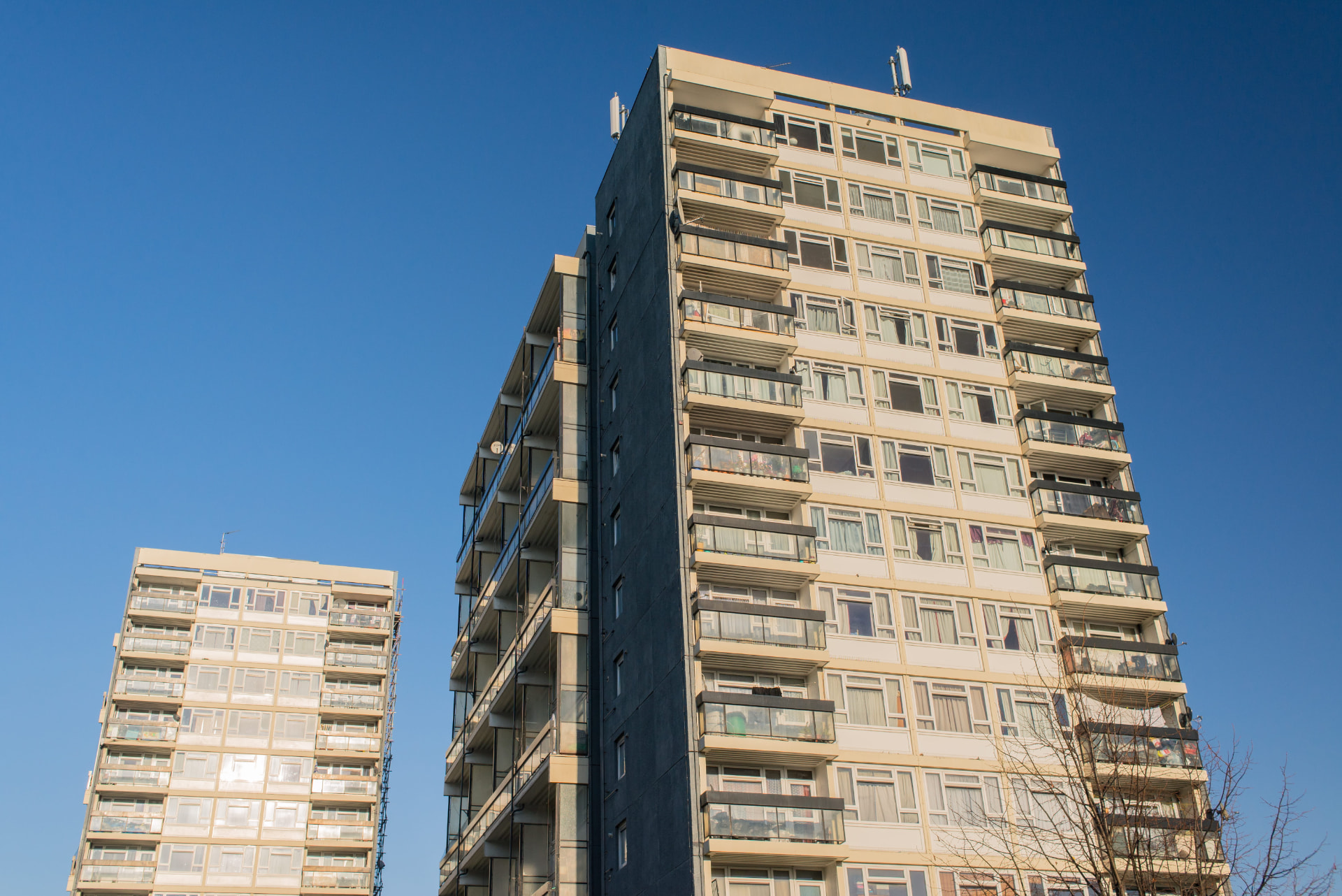
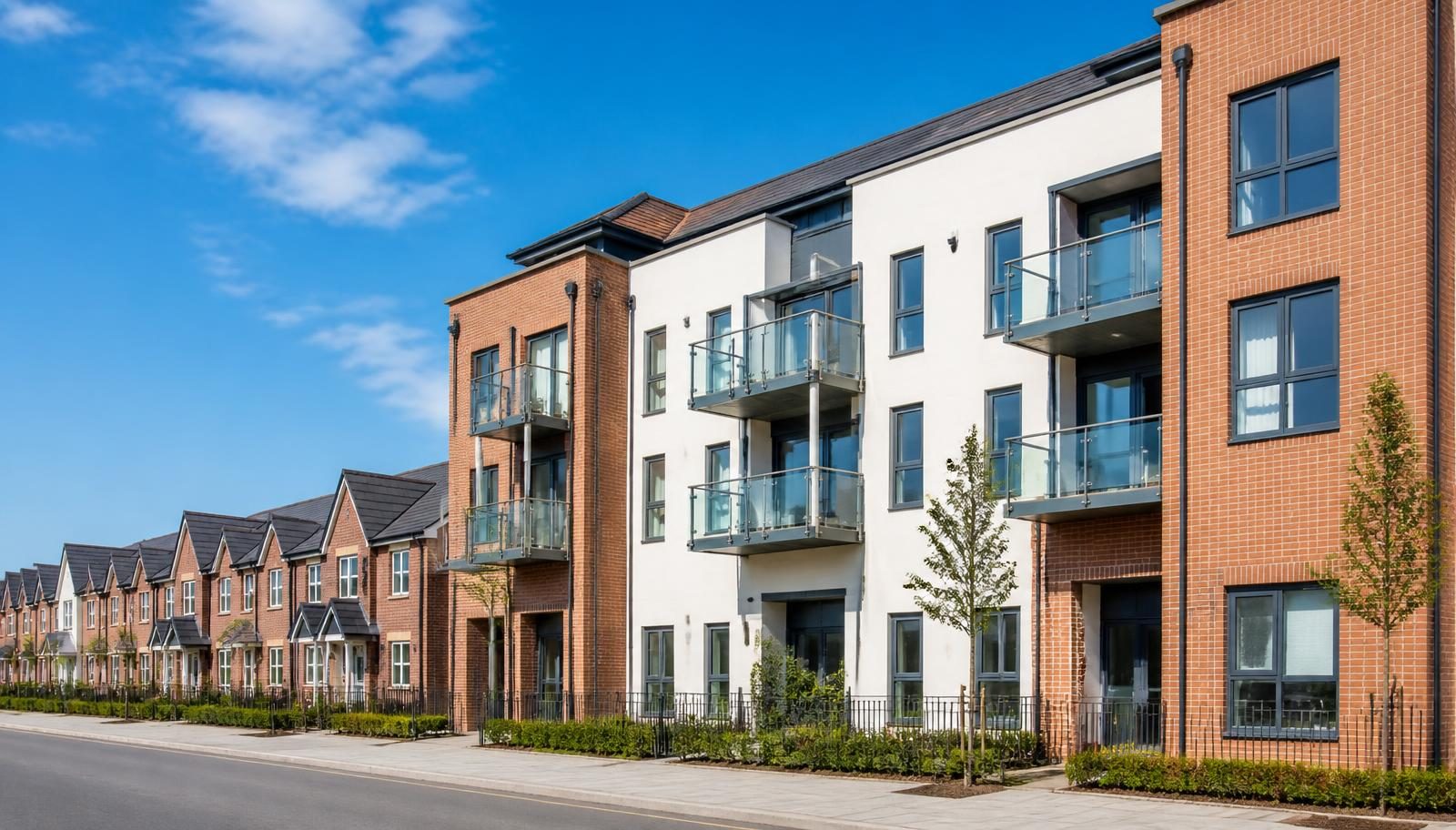
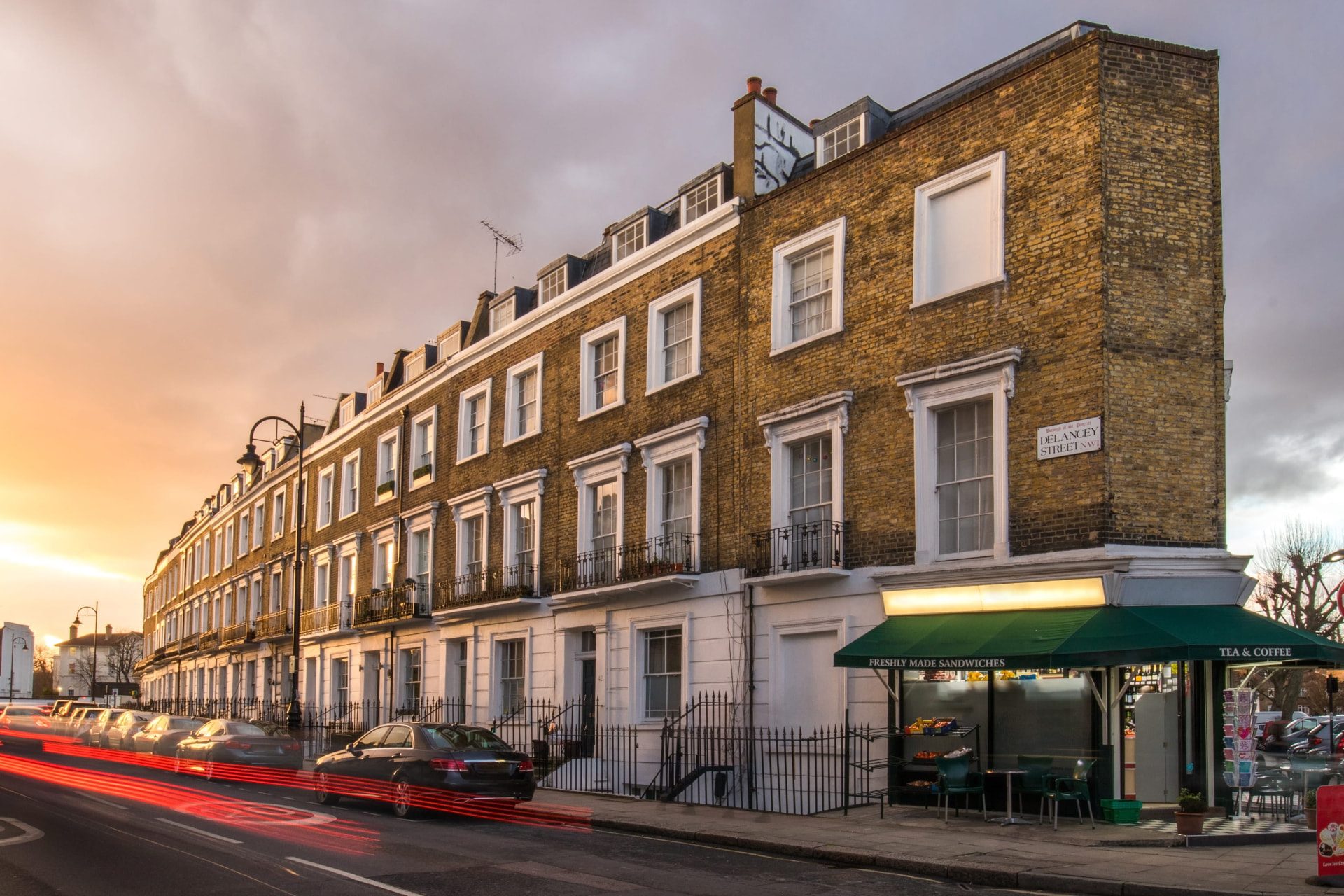
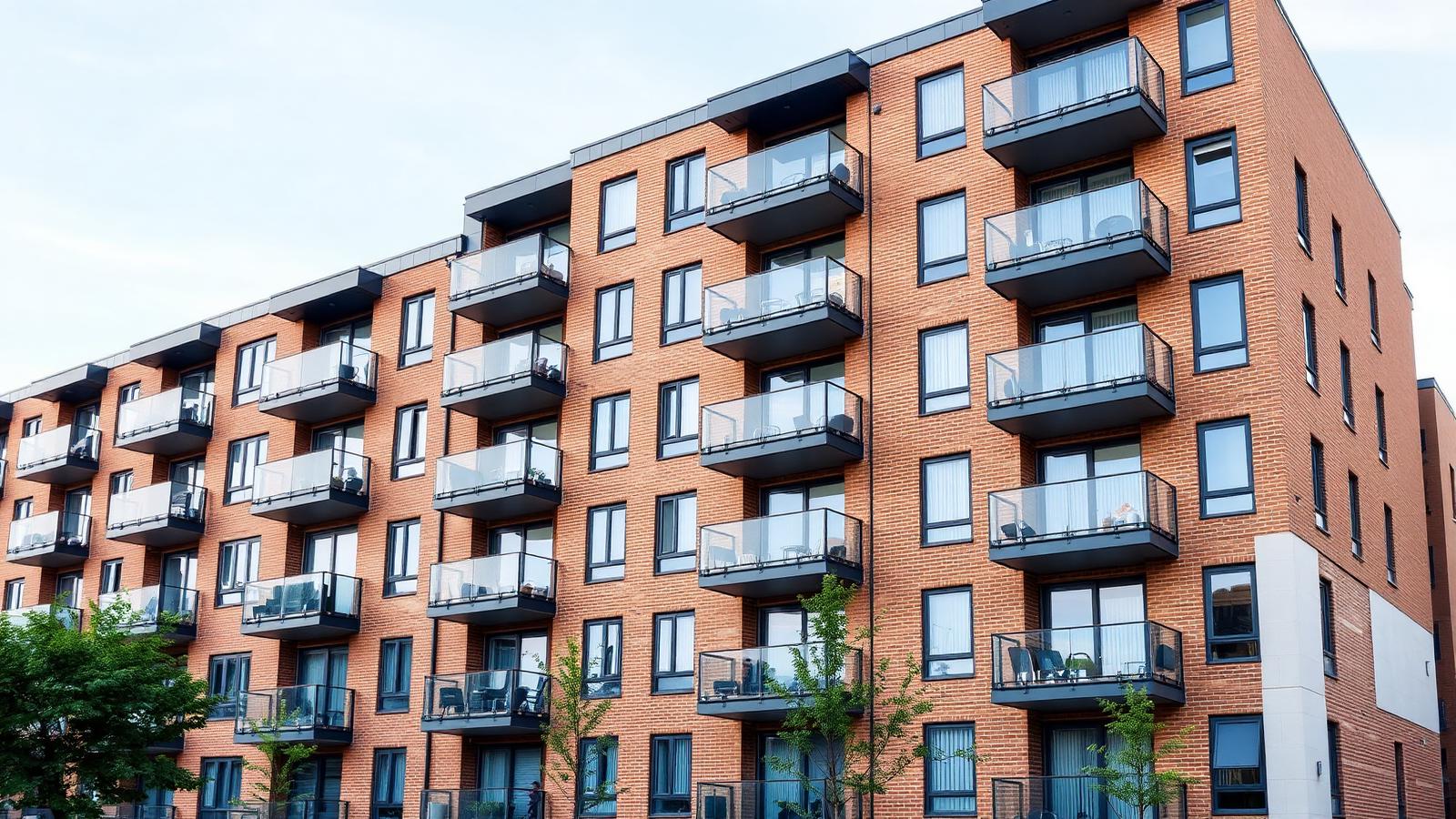
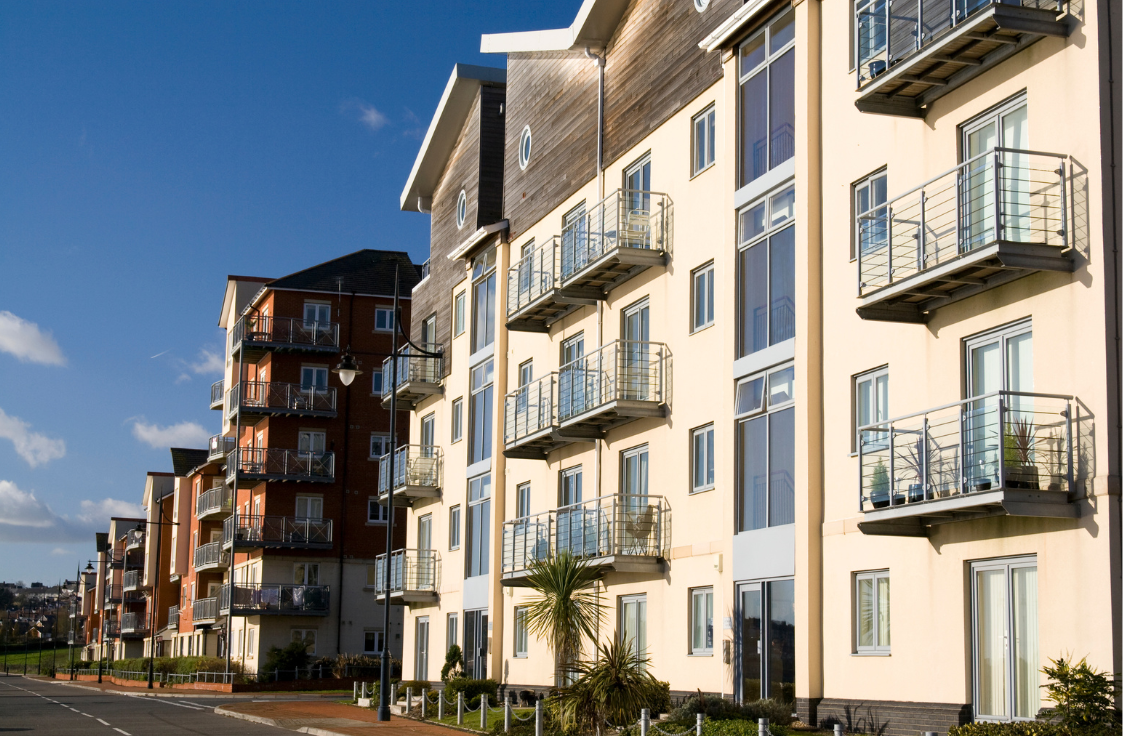
Block of Flats Insurance - sometimes referred to as property owners' insurance - is a specialist policy that may provide protection for a building divided into multiple flats.
It often extends beyond a standard landlord policy and can include:
- The building structure, roofs, walls, stairwells, lifts, and external parts of the property.
- Communal areas, such as hallways, shared gardens, bike storage, and car parks.
- Property owners' liability, covering potential claims if a resident, visitor, or contractor is injured on the premises. Learn more about liability cover in our commercial property insurance guide.
- Loss of rent or alternative accommodation, which may cover income or rehousing costs if flats become uninhabitable after certain insured events.
Who May Need Block of Flats Insurance?
This type of cover is often relevant for anyone responsible for a building with multiple flats, including:
Freeholders
Who may own the entire building and need comprehensive cover
Share of Freehold Owners
Where leaseholders collectively own the freehold through a company
Residents' Management Companies (RMCs)
Which may be responsible for arranging insurance for communal areas
Right-to-Manage (RTM) Companies
Where leaseholders take over management duties from the freeholder
Landlords with Multiple Flats
Who may find a block policy more efficient than individual policies
Property Managers
Who often arrange insurance on behalf of owners or management companies
If you sit in any of these roles, owners and directors should get an independent block of flats insurance quote to protect their investment and meet their lease and lender obligations.
Note: Mortgage lenders may require evidence of block insurance.
What It May Cover
Core Cover
Buildings Insurance
May cover the full rebuild cost of the block including structure and permanent fixtures
- Roofs, walls, stairwells
- Lifts and external parts
- Fire and flood damage
Communal Contents
Often includes carpets, lighting, and furniture in shared areas
- Hallway carpets and lighting
- Shared furniture
- Security systems
Property Owners' Liability
May protect against claims from third parties for injury or damage
- Visitor injury protection
- Contractor accident claims
- Legal defence costs
Loss of Rent & Alternative Accommodation
Can help cover lost income or temporary housing if flats are uninhabitable
- Lost rental income
- Temporary accommodation costs
- Service charge recovery
Optional Add-Ons
- Legal Expenses, may cover disputes with tenants, contractors, or third parties.
- Terrorism Insurance, sometimes included, particularly in urban or city-centre areas.
- Employers' Liability, often required if staff such as caretakers or cleaners are employed.
- Directors' & Officers' Liability (D&O), may protect directors of RMCs or share-of-freehold companies.
- Engineering Cover, can provide protection for mechanical and electrical systems, including lifts and boilers.
Because add-ons vary between insurers, freeholders and RMCs should compare specialist block of flats insurance cover before renewal to make sure buildings, liability and D&O limits remain fit for purpose.
Risk Management Tips
- Commission a professional rebuild cost assessment to avoid underinsurance
- Maintain comprehensive records of maintenance and repairs
- Install and maintain fire detection systems and security measures
- Review insurance annually and after any significant building works
- Work with specialist brokers who understand block of flats insurance
Common Mistakes to Avoid
Insuring for market value rather than rebuild cost
May lead to under/overinsurance
Overlooking communal contents
Shared furniture, lifts, and hall carpets are sometimes forgotten
Not updating cover after refurbishments
Changes to the building may affect policy adequacy
Omitting D&O cover
Directors of RMCs may be personally liable for management decisions
To sidestep these pitfalls, freeholders and RMC directors should arrange specialist block of flats insurance with a broker who reviews rebuild sums insured, communal contents and D&O limits at every renewal.
Block of Flats Insurance FAQs
Do individual flat owners still need their own insurance?
Yes. A block policy may cover the building and communal risks, but leaseholders or tenants typically need contents insurance for their belongings.
Can a lender's interest be noted on the policy?
Yes. Many insurers allow mortgage lenders to be noted, which may be required for leasehold lending.
We own the freehold collectively. Do we still need block insurance?
Yes. One block policy is usually arranged, with costs often split between the owners via service charges.
Who usually arranges the insurance?
Typically the freeholder, RMC, or managing agent arranges the policy. Premiums are often recovered via service charges.
Is terrorism cover compulsory?
Not always, though it may be required by some lenders in higher-risk areas.
Do directors of a residents' management company need cover?
Without D&O insurance, directors may be personally liable for management decisions.