Setting a budget for block of flats insurance is harder than it looks. There is no single price per flat, because underwriters rate each building on its own combination of rebuild cost, construction, location, occupancy and claims record. Two blocks that look identical from the pavement can be priced very differently.
This breakdown explains the figures that matter most: how to arrive at a defensible sum insured, which rating factors move the premium, and where freeholders, RMC boards, RTM companies and managing agents can realistically make savings without stripping out protection they will need at claim stage.
Rebuild Cost vs Market Value: What Should Your Sum Insured Be?
For any flats insurance policy, the crucial figure is the rebuild cost, not the selling price. This is a common mistake among property owners. Freeholders and management bodies need to insure the building at full rebuilding cost, which must include demolition, debris removal, professional fees for architects, engineers and surveyors, materials, labour, and compliance with current Building Regulations. Block of flats insurance covers the entire building structure and communal areas such as hallways and grounds.
Take a central London period conversion with a high market value as an example: its rebuild cost might be significantly lower than its market price. In contrast, in some regional areas the rebuild cost can actually exceed the market value. For insurance purposes, the building value is always the declared reinstatement value rather than the price a buyer would pay.
Blocks usually set a "declared value" at the start of the policy, which is then increased over time to reflect construction cost inflation. For instance, a block valued a few years ago may need an uplift now due to rising building costs.
Underinsurance activates the average clause, which reduces all flats insurance claims proportionally. If a block with a true rebuild cost is insured for only part of that amount, any claim, even a minor one, would be settled on a proportional basis.
Key Factors That Influence Block Of Flats Insurance Premiums
Insurers evaluate a wide range of rating factors rather than using a simple price per flat. Premiums for blocks of flats can vary greatly based on building specifications, meaning two blocks that look similar from the outside might be rated very differently. Insurance policies typically include buildings cover and property owners' liability as core elements.
Crucially, secondary factors and claims history are just as important as structural features when underwriters calculate premiums. Core elements that directly impact your rating include:
- Location and postcode: inner London rates compared to regional or rural areas.
- Claims history: a three to five year history of claims, especially escape of water or subsidence, heavily influences pricing. A block with recent claims will attract a significantly higher premium than a zero-claims block with the same rebuild value.
- Building age and construction: brick, concrete, timber framing, and heritage or listed status.
- Structural features: height, storeys, roof type (pitched or flat), balconies, and non-standard cladding.
- Building systems: age and condition of wiring, heating and internal plumbing.
- Occupancy mix and tenancy types: the proportion of owner-occupiers, private tenants, students, or commercial space.
- Fire, security and risk management: secure entry systems, compartmentation, and up-to-date Fire Risk Assessments (FRAs).
How Building Age, Construction And Roof Type Affect Cost
Insurers pay close attention to how a block is built because construction type and building age influence insurance costs, affecting both fire risk and potential repair expenses.
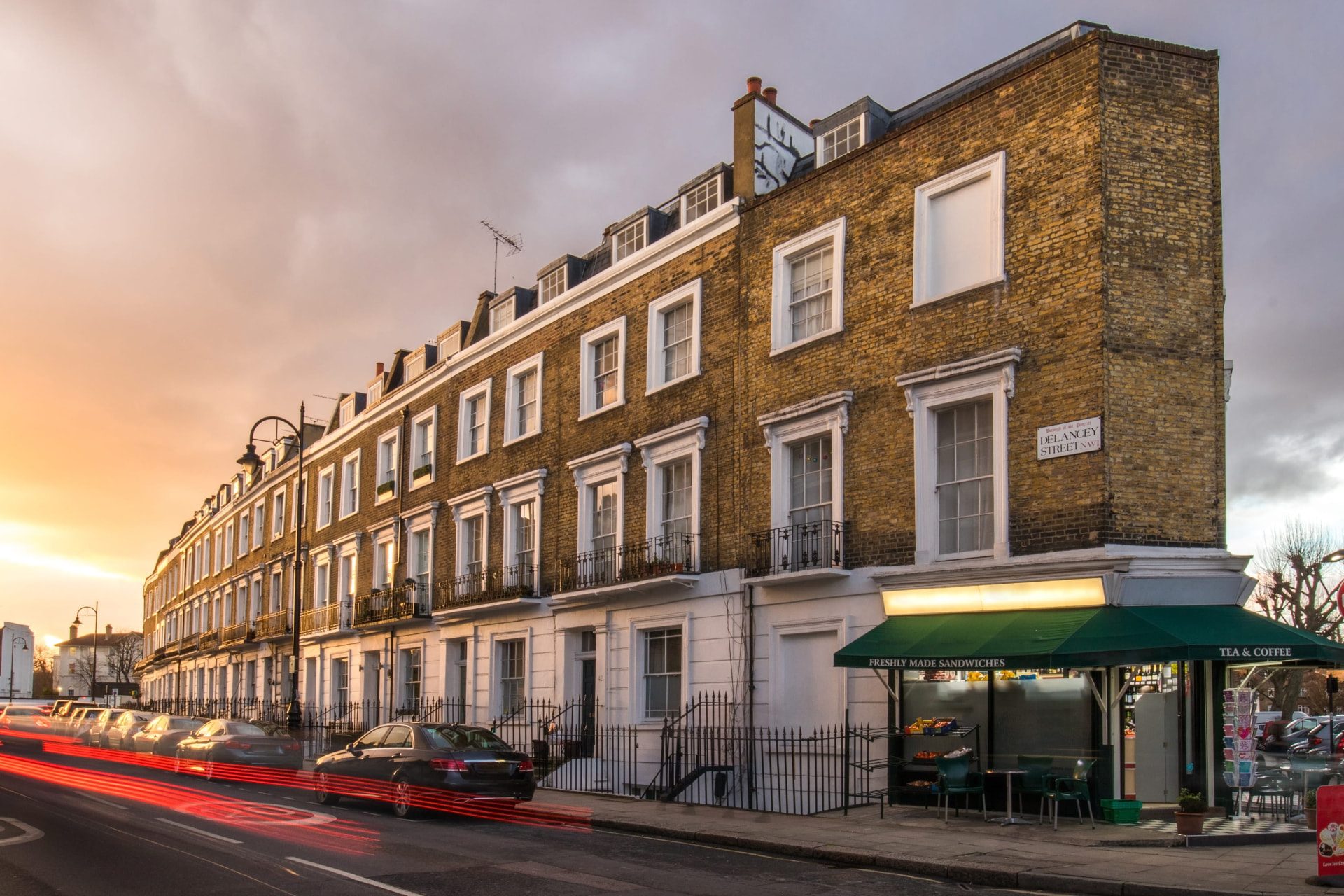
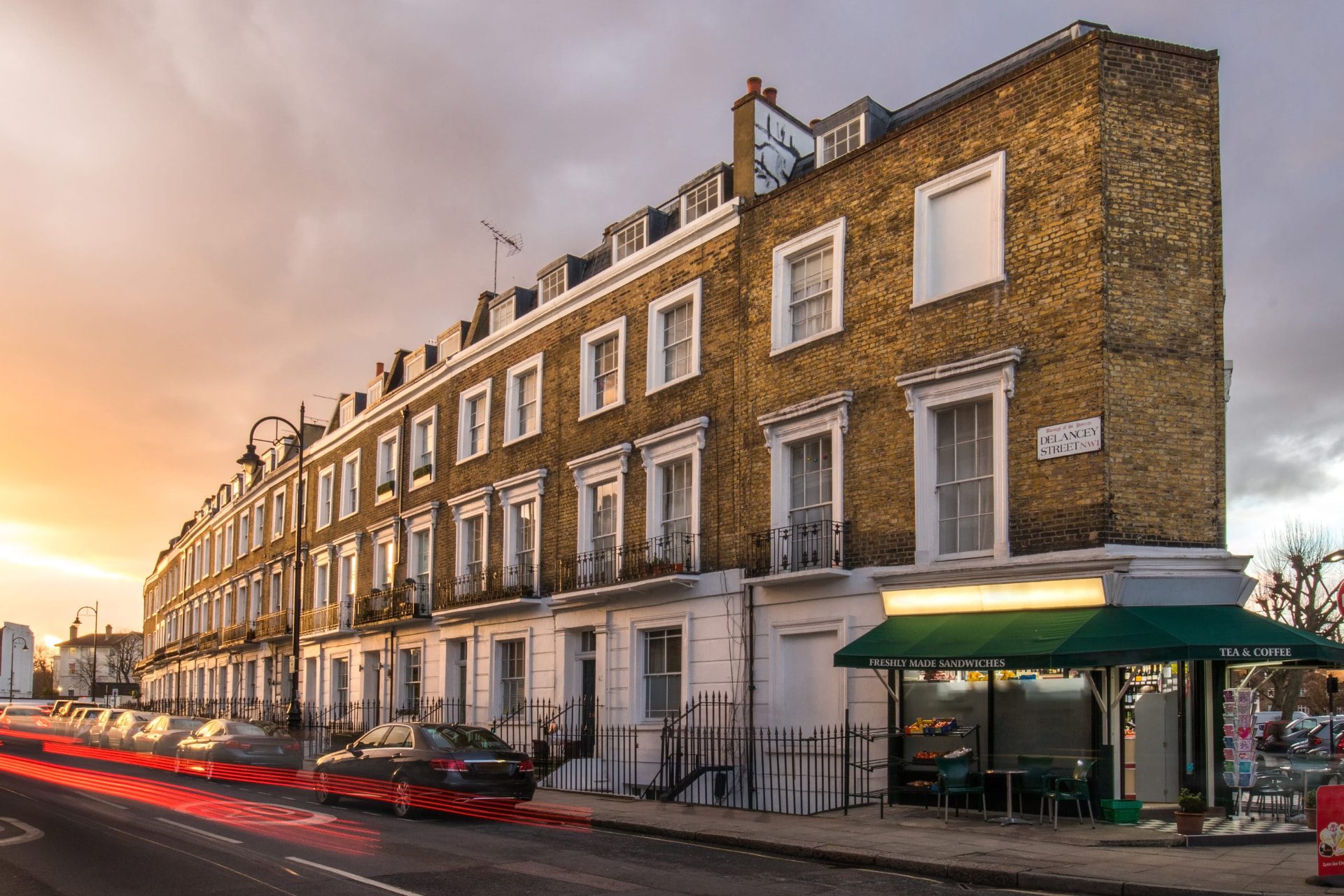
Modern purpose-built blocks (post-1990 brick and block or concrete frames) are generally easier to insure, with predictable rebuild costs and competitive insurance premiums. Period conversions from Victorian or Edwardian houses converted into multiple flats often have higher premiums due to non-standard materials, decorative features, and complicated layouts. Listed buildings insurance premiums rise because of heritage requirements to match original materials.
Flat roofs, balconies, timber elements, and older wiring or plumbing, especially pre-1980, directly drive premium rates and policy excesses. Evidence of recent refurbishment or roof replacement can reduce insurer concerns and should always be highlighted during negotiations.
Cladding, Height And Fire Safety
High-rise and cladding-affected blocks face sharp premium rates. The presence of combustible cladding can significantly raise premiums, and insurers carefully assess fire safety and cladding risks when quoting. High-rise blocks face notably higher premiums overall due to elevated fire risk and access considerations.
External wall systems, combustible materials, and balconies influence insurers' willingness to quote. EWS1 forms and up-to-date fire risk assessments often unlock more competitive terms. Without such documentation, premiums can double or more.
A tall block with modern, compliant cladding may pay considerably more per flat than a similar low-rise building. Non-compliant cladding can push premiums to two or three times standard levels. Taurus Risk Management works with managing agents and freeholders to present detailed fire safety information to underwriters and explore terrorism cover and property insurance options for high-rise risks.
Why use a specialist broker?
We place cover with leading UK insurers, negotiate terms on your behalf and stay with you through renewals and claims.
- Whole of market access to leading UK insurers
- Policy wordings checked line by line, not price alone
- Same day quotes and claims support from a named broker
Same day quotes, no obligation
Occupancy Mix, Tenants And Rental Income Exposure
Who lives in the flats and how they are used directly impacts both risk perception and final premiums.
Owner-occupied flats and professional working tenants represent the lowest-risk occupant types for insurers, as these demographics historically generate fewer accidental damage and escape-of-water claims. Conversely, blocks heavily occupied by students, short-term holiday lets such as Airbnb, or Houses in Multiple Occupation (HMOs) are rated higher due to increased footfall and tenant turnover.
Blocks relying on rental income and service charge collections may need higher loss of rent limits and longer indemnity periods, which increases premiums. A block with many buy-to-let flats, for example, requires robust loss of rent and alternative accommodation cover to protect multiple landlords' income. Accurate disclosure of tenancy mix is critical when obtaining quotes.
Managing Agents, Freeholders And Responsibility For Buildings Insurance
Freeholders are traditionally responsible for arranging buildings insurance on a block, recovering costs through service charges paid by leaseholders. However, leaseholders seeking to exercise their Right to Manage (RTM) can purchase the block insurance directly once management responsibilities are legally transferred, giving them direct control over cover levels and premium negotiation.
Whether managed by a freeholder, a Residents' Management Company (RMC), an RTM company, or an appointed external managing agent, brokers like Taurus Risk Management are typically instructed to place cover. Employers' liability insurance is also required wherever staff such as concierges, cleaners or gardeners are employed directly for maintenance.
When premiums rise, clear communication with leaseholders is important, including explanations of sums insured, main rating factors, and recent claims history.
Leasehold Flats, Freehold Blocks And Multiple Properties On One Policy
How legal interests are structured influences how flats insurance cover is arranged. A landlord owning multiple flats in different blocks will need separate policies, while a landlord owning a whole freehold block can insure through a single block of flats insurance policy. Many property owners who hold more than one property benefit from portfolio property insurance.
Insuring multiple properties on one schedule can offer consistent wording, potential economies of scale, and simpler claims handling. Taurus Risk Management can structure programmes for investors with multiple properties, including landlord insurance for individual units and comprehensive cover across all holdings.
Unoccupancy And Vacant Properties Coverage
Coverage for vacant properties or units within a block is usually limited. Insurers typically restrict cover during unoccupancy to FLEEA perils only, that is Fire, Lightning, Earthquake, Explosion and Aircraft damage.
Other perils such as escape of water, theft, malicious damage or accidental damage are generally excluded or severely restricted for unoccupied flats. Freeholders and managing agents should notify insurers promptly when flats become vacant to ensure compliance with policy terms and avoid claim disputes.
How To Reduce The Cost Of Insuring A Block Of Flats Without Cutting Cover
The goal is not to remove essential protections but to manage risk effectively and present a clean profile to specialist underwriters. Key practical steps include:
- Broker remarketing: instructing an independent broker to actively remarket the block across specialist commercial property insurers to test competitive market rates.
- Upgrading risk controls: enhancing fire alarms, compartmentation, and early detection systems.
- Preventative maintenance: addressing escape of water risks with regular plumbing checks and proactive roof maintenance.
- Security enhancements: installing CCTV and secure access controls to deter theft and malicious damage.
- Leveraging financial terms: increasing voluntary excesses or adjusting optional policy extensions.
A clean claims frequency over three to five years provides your broker with strong leverage to negotiate more favourable terms across the market.
Take control of your cover
If your block's premiums are outside typical ranges due to factors like cladding, flat roofs, age or claims history, do not leave your insurance to chance. Freeholders, apartment building managers, RTM directors and managing agents should contact Taurus Risk Management for a thorough review of your current flats insurance policy, rebuild cost and premium levels, or request a quote to secure the protection your building deserves.
Frequently Asked Questions
How often should we review the rebuild cost for our block of flats?
Most blocks should review their rebuild cost at least every three to five years with a RICS valuation. If there have been major works such as extensions, roof replacement, or significant internal refurbishment, a fresh valuation should be done sooner. In times of rapid construction inflation, annual index-linked adjustments combined with more frequent professional checks help avoid underinsurance. Taurus Risk Management can help schedule valuations and align renewal dates with updated figures.
Is there a simple price per flat we can use to budget for future premiums?
While some managing agents use ballpark figures for standard low-rise blocks, insurers rate on many factors, so any rule of thumb is only a rough starting point. Budgeting should be based on current premiums plus an allowance for claims experience and inflation, refined with broker feedback at each renewal. Taurus Risk Management can provide forward-looking premium indications to assist with service charge planning and help property owners understand realistic insurance costs.
Do we need officers cover for directors of our residents management company?
Officers cover, or directors and officers liability insurance, is separate from buildings insurance but is often recommended for RMC and RTM directors who make decisions on insurance spend, maintenance and health and safety, and who may face legal challenges. Premiums are usually modest compared with the block insurance itself, yet claims can be significant if directors are personally named in disputes or held legally responsible. Taurus Risk Management can include such cover within a wider property insurance programme.
Can we reduce premiums by cutting loss of rent or alternative accommodation cover?
Reducing limits or indemnity periods can save premium, but it risks leaving freeholders and leaseholders exposed if a major fire or flood takes longer to repair than expected. Modelling scenarios based on realistic rebuild times for the specific block, local rental values, and mortgage lender requirements is recommended before any reduction. Taurus Risk Management can compare different limit options, showing the premium impact alongside potential financial gaps.
Why has our block insurance premium jumped sharply even though we have had no major claims?
Common reasons include market-wide re-rating of certain construction types such as cladding or flat roofs, updated catastrophe models for flood or subsidence, and changes in insurer appetite for residential blocks. Sometimes increases are driven by higher assumed rebuild costs even without a formal valuation. Verifying the sum insured is an important first step, and a market review with an independent broker like Taurus Risk Management can test whether the new premium reflects current conditions or if better options exist through specialist insurers with the right appetite for your block type.