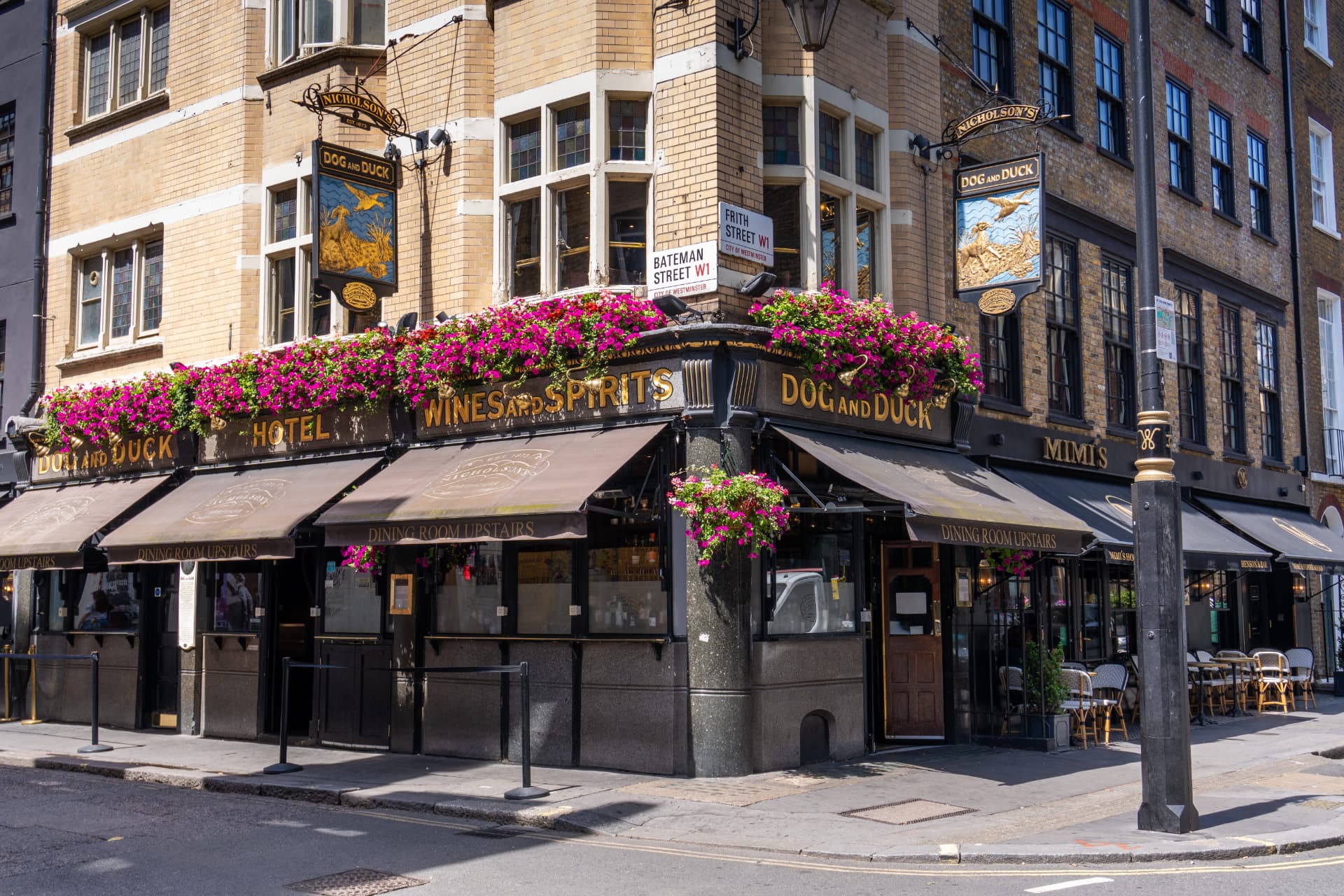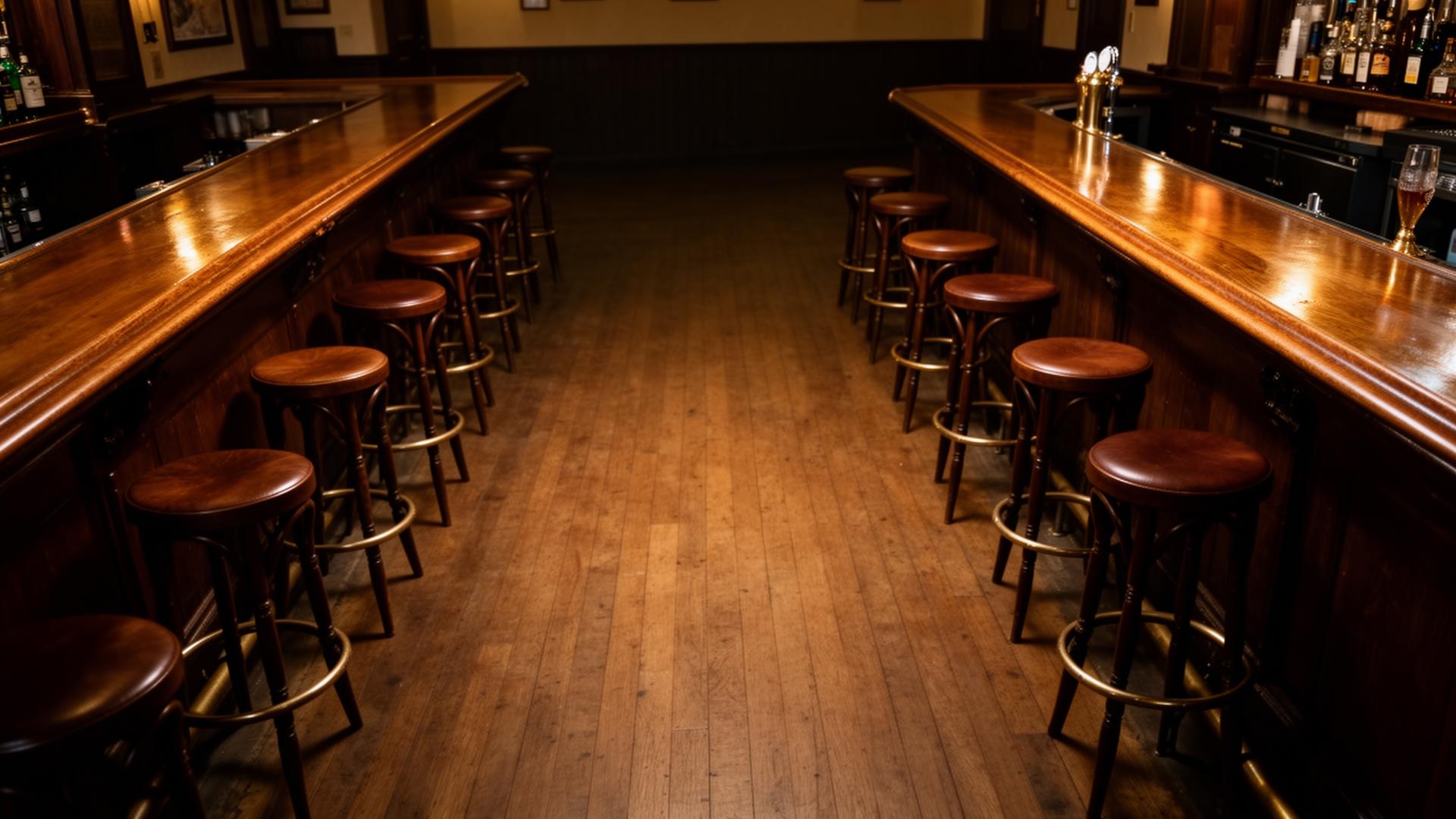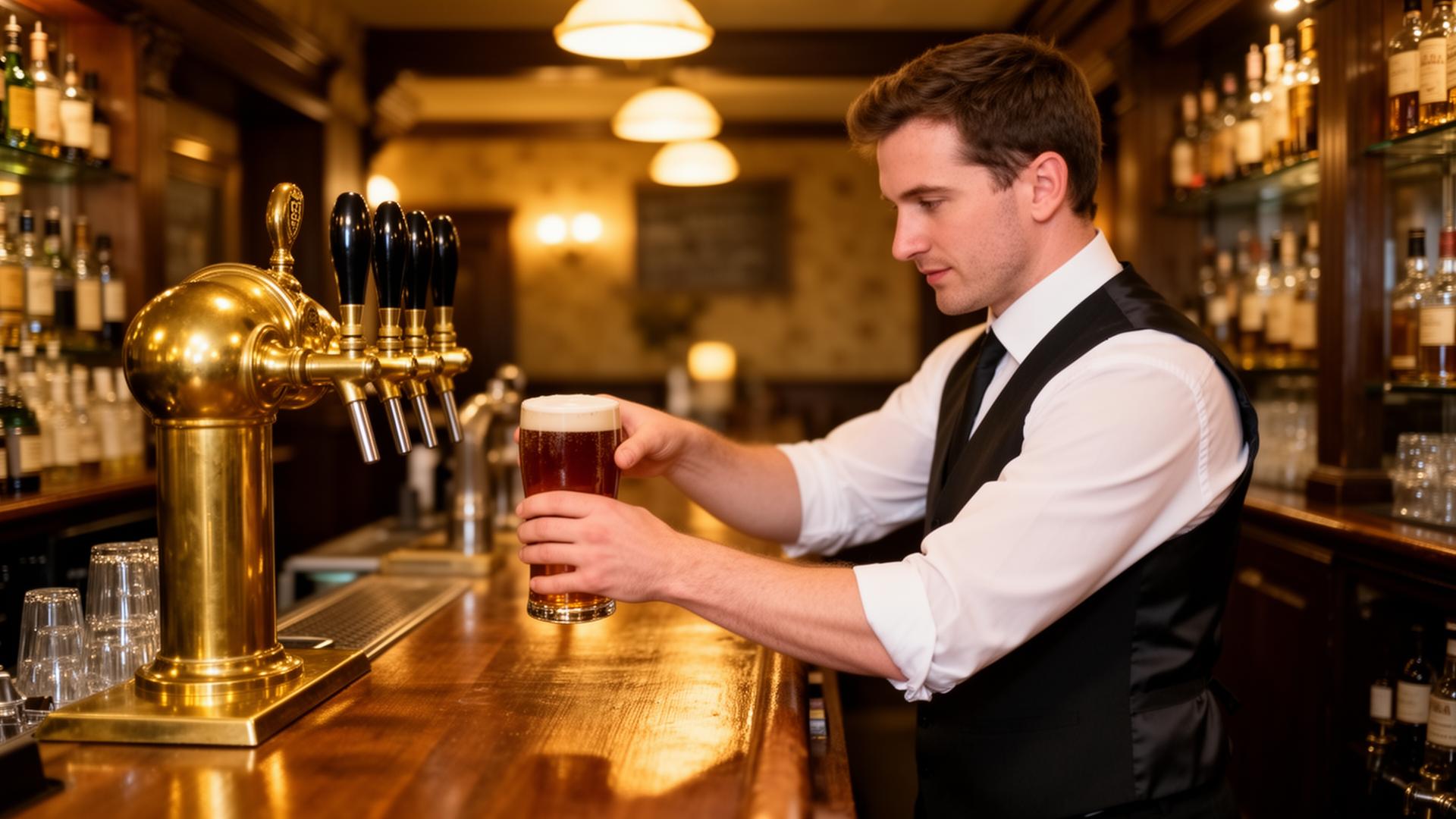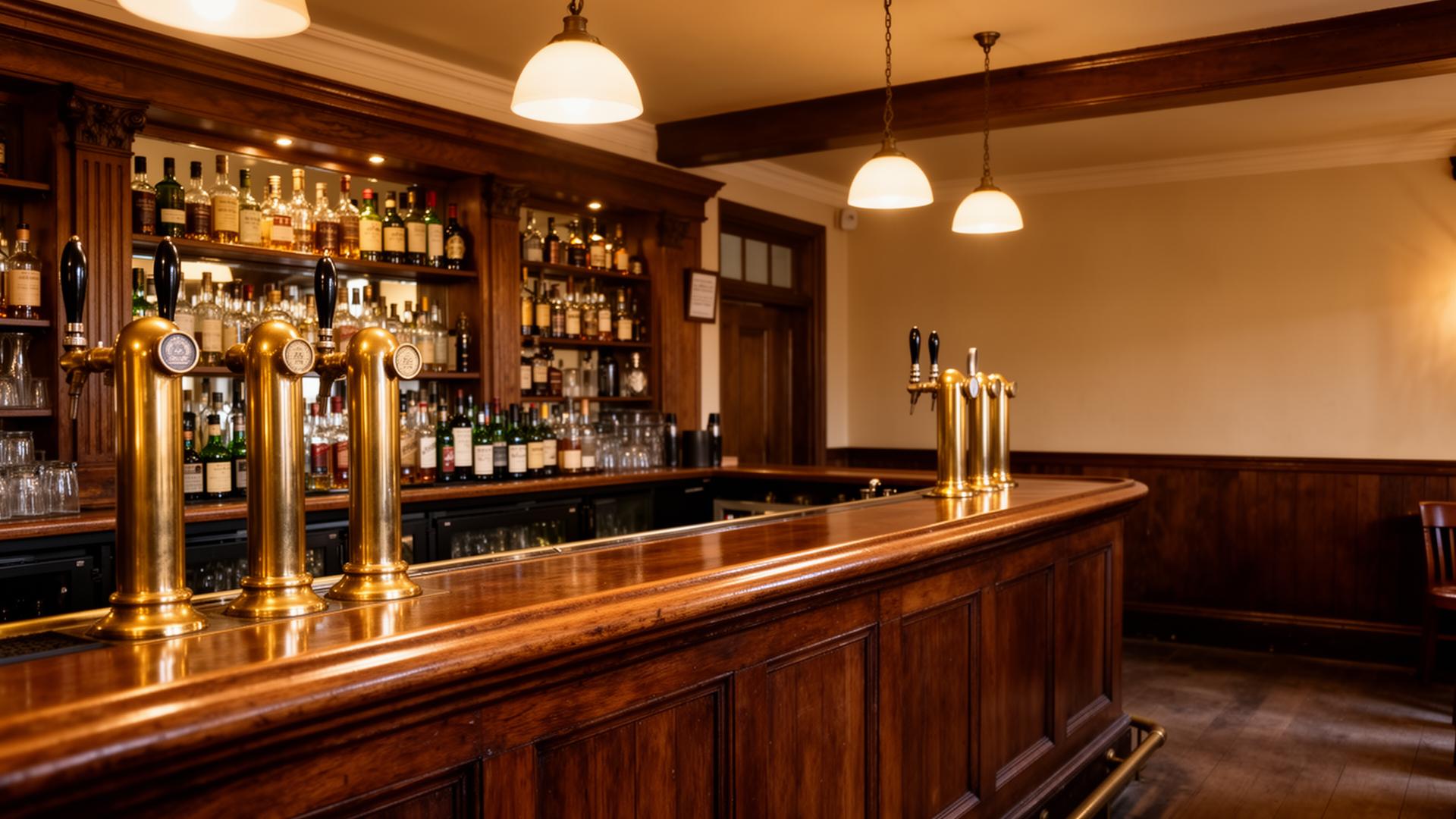
Running a pub exposes a business to a wide range of insurable risks that do not apply to most other commercial operations. Customers on licensed premises, alcohol service, kitchen operations, live entertainment, and the volume of cash and stock on site each create distinct exposures. A pub insurance policy is designed to address these risks in a coordinated way, providing the legal protections required by law and the commercial protections that keep a pub business financially viable following a serious incident.
Public Liability Insurance for Pubs
Public liability insurance for pubs protects your business against claims made by customers, visitors, or members of the public who suffer injury or property damage as a result of your business activities or conditions on your premises. For a pub, this exposure is significant - a slip on a wet floor, an injury from a broken glass, or harm arising from an altercation on the premises can all give rise to a claim against the business.
Cover limits for pubs typically start at £2 million and commonly extend to £5 million. Larger venues, those with regular live entertainment, or premises operating under high-capacity licence conditions may require higher limits.
Employers' Liability
Employers' liability insurance is a statutory requirement under the Employers' Liability (Compulsory Insurance) Act 1969 for any pub that employs staff. It protects your business against compensation claims from employees who are injured or become ill in connection with their work - covering bar staff, kitchen workers, cellar staff, cleaners, and security personnel.
The legal minimum is £5 million, though most insurers provide £10 million as standard. Operating without valid cover carries fines of up to £2,500 per day - see our guide on what happens if you don't have pub insurance. Cover should extend to part-time, seasonal, and zero-hours staff.
Buildings Insurance
Buildings insurance covers the structure of the pub premises against damage from fire, flood, storm, escape of water, malicious damage, and similar perils. It is typically relevant for freeholders and is often required by the terms of a lease or mortgage for tenants.
Cover is arranged on a reinstatement basis, meaning the sum insured should reflect the full cost of demolishing, clearing, and rebuilding the premises to its current specification - not its market value. Pub buildings can be complex structures with catering facilities, cellar systems, and potentially accommodation above, and reinstatement values should be reviewed regularly to avoid underinsurance. Our commercial building insurance guide explains how reinstatement values are assessed.
Stock Cover
Stock cover protects beer, wine, spirits, food, tobacco, and other trading stock against fire, theft, or accidental damage. For pubs with catering operations, spoilage cover - which responds when refrigeration or freezer equipment fails - is an important extension.
Stock values fluctuate, particularly ahead of peak trading periods. Declaring an accurate maximum stock value at inception, rather than an average, avoids a shortfall at the time of a claim - the information needed to get pub insurance sets out what insurers will ask for.
Why use a specialist broker?
We place cover with leading UK insurers, negotiate terms on your behalf and stay with you through renewals and claims.
- Whole of market access to leading UK insurers
- Policy wordings checked line by line, not price alone
- Same day quotes and claims support from a named broker
Same day quotes, no obligation
Business Interruption
Business interruption insurance covers the financial losses your pub sustains when it is forced to close or significantly reduce trading following an insured event - typically a fire, flood, or major equipment failure. While the buildings or contents section addresses the physical damage, business interruption covers the income the pub would have generated during the restoration period.
Cover is typically arranged on a gross profit or gross revenue basis, and the choice of basis should reflect the cost structure of the business. The indemnity period - the maximum duration for which the cover responds - is equally important. For most pub businesses, 24 months is the recommended minimum; a 12-month period is frequently insufficient to cover both the reinstatement of premises and the subsequent rebuilding of trade. See our overview of loss of income insurance for further detail.
Loss of Alcohol Licence
Loss of licence cover provides financial protection if the pub's premises licence is revoked or suspended by the licensing authority. The loss of a licence - even temporarily - can be financially devastating for a pub business, cutting off its ability to trade entirely. This section typically covers loss of income during the affected period and can extend to the costs associated with any licence review proceedings.
For a business whose entire revenue depends on the right to sell alcohol, loss of licence cover is generally considered an important element of a comprehensive pub insurance programme.
Optional Add-Ons
Several additional covers are available to pub businesses depending on the nature of their operations:
Management Liability - a combined policy that typically brings together several executive risk covers under one wording. For pub operators running limited companies, management liability usually includes Directors & Officers (D&O) cover for claims against individuals personally for decisions made in their capacity as a director (such as regulatory investigations, breaches of licensing obligations, and shareholder disputes); Employment Practices Liability (EPL) for claims from employees alleging discrimination, harassment, wrongful dismissal, or breach of employment rights; and Crime cover for financial losses arising from employee dishonesty, theft, fraud, and forgery, which is a material exposure for pub businesses handling significant volumes of cash and stock. The exact sections included vary by insurer and can be structured to suit the size and ownership of the business.
Terrorism Insurance - standard commercial property and business interruption policies typically exclude losses arising from acts of terrorism. For pubs in city centres or high-footfall locations, a terrorism endorsement or standalone terrorism policy may be worth considering to address this gap.
Legal Expenses - covers the cost of employment disputes, licensing hearings, tax investigations, and contract disputes. Pub businesses are disproportionately exposed to licensing and employment-related legal proceedings, and legal expenses cover provides access to legal representation without the costs falling directly on the business.
Average Cost of Pub Insurance
There is no single average cost of pub insurance that applies to every UK licensed premises. Premiums vary widely with premises size, location, annual turnover, claims history, and the scope of cover arranged. A small community pub with straightforward operations might start from around £2,000 to £3,000 per year for a basic package, while a larger city-centre venue with high footfall, live entertainment, and a full kitchen could see premiums ranging from £5,000 to £15,000 or more.
The largest premium drivers are typically public liability limits, buildings reinstatement values, stock sums insured, and the chosen business interruption indemnity period. Pubs that have invested in risk management, maintain accurate sums insured, and present a clean claims history generally achieve more competitive terms. For a detailed breakdown of pricing factors, see our guide to how much pub insurance costs in the UK.
How Pub Insurance Differs from Standard Business Insurance
Standard commercial business insurance is not designed for the risks of running a licensed premises. A general business insurance policy is unlikely to address liquor liability, loss of licence, cellar equipment and stock spoilage, the volume of public footfall, or entertainment activities.
Arranging a standard package and assuming it is adequate for a pub business creates a meaningful risk of gaps in cover that only become apparent when a claim is made - and a denied pub insurance claim is often the first sign that cover was wrongly structured. Specialist pub insurance from an experienced licensed trade insurer addresses these exposures from the outset, and a specialist broker can structure the programme to ensure each section responds appropriately to the pub's specific risk profile. For an indication of pricing and timelines, see our guides to how much pub insurance costs, how to reduce pub insurance costs and how long it takes to arrange pub insurance.
Frequently Asked Questions
What is pub insurance?
Pub insurance is a specialist business insurance package for UK licensed premises. It typically combines public liability, employers' liability, buildings, contents, stock, and business interruption cover in a single policy, with optional extensions including loss of licence, terrorism, legal expenses, and management liability (which generally includes D&O, employment practices liability, and crime cover).
Is pub insurance a legal requirement?
Employers' liability insurance is a statutory requirement for pubs with employees. Other covers are not legally compulsory in all cases, though public liability may be required by licensing conditions, buildings cover may be required under a lease or mortgage, and various covers are generally considered advisable given the exposures involved.
What is the average cost of pub insurance in the UK?
There is no single average cost. A small community pub might start from around £2,000 to £3,000 per year for a basic package, while a larger city-centre venue with entertainment and catering can range from £5,000 to £15,000 or more. Costs depend on premises size, location, turnover, claims history, and cover scope.
What optional covers should pub businesses consider?
In addition to core covers, pub businesses should consider loss of licence, terrorism, legal expenses, and management liability - which typically combines D&O, employment practices liability, and crime cover under a single policy - depending on their size, structure, and activities.
What is the difference between pub insurance and hospitality insurance?
Hospitality insurance is a broader category covering hotels, restaurants, and leisure venues. Pub insurance is a specialist subset, designed specifically for licensed premises and addressing pub-specific risks such as loss of alcohol licence, cellar systems, and liquor liability.