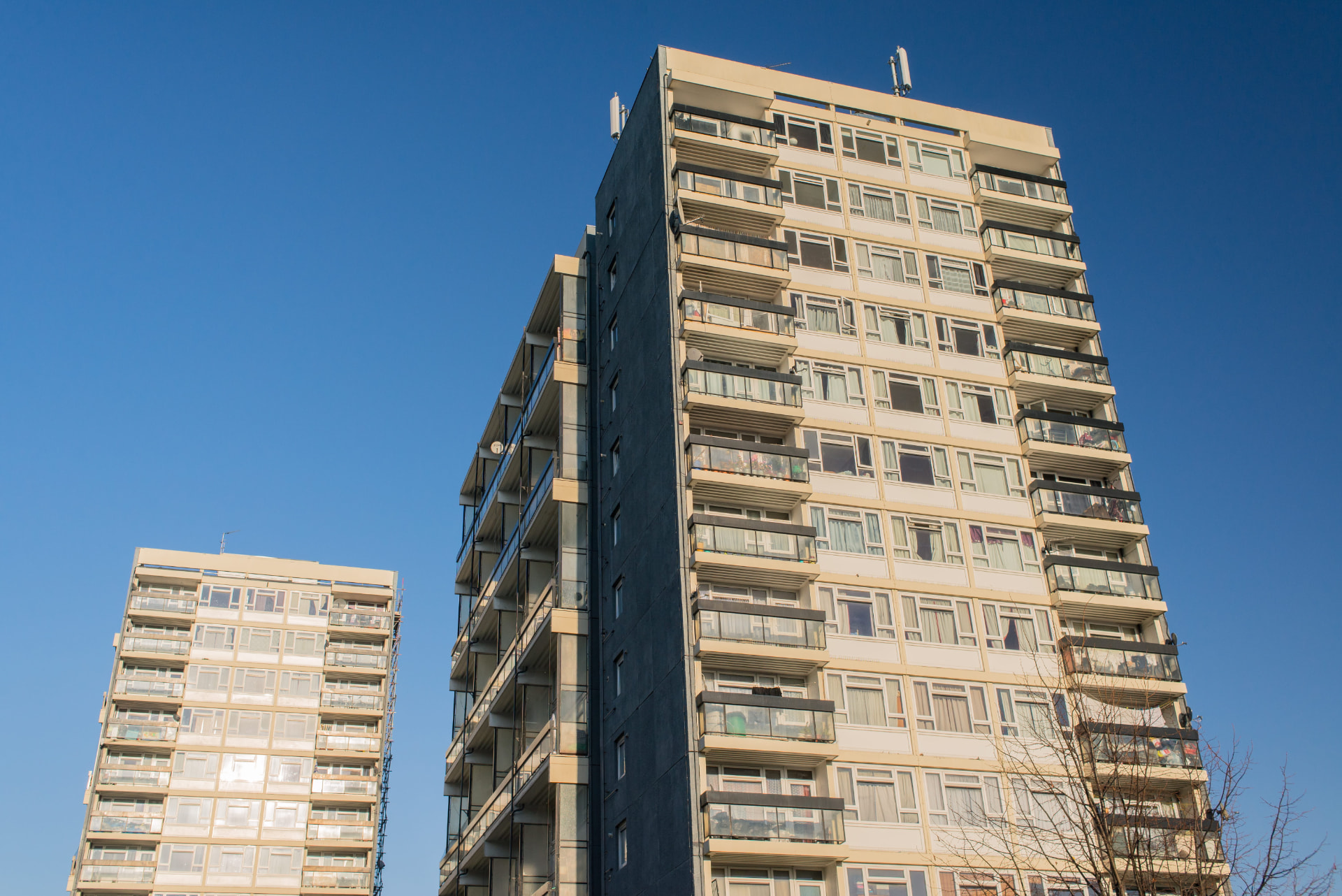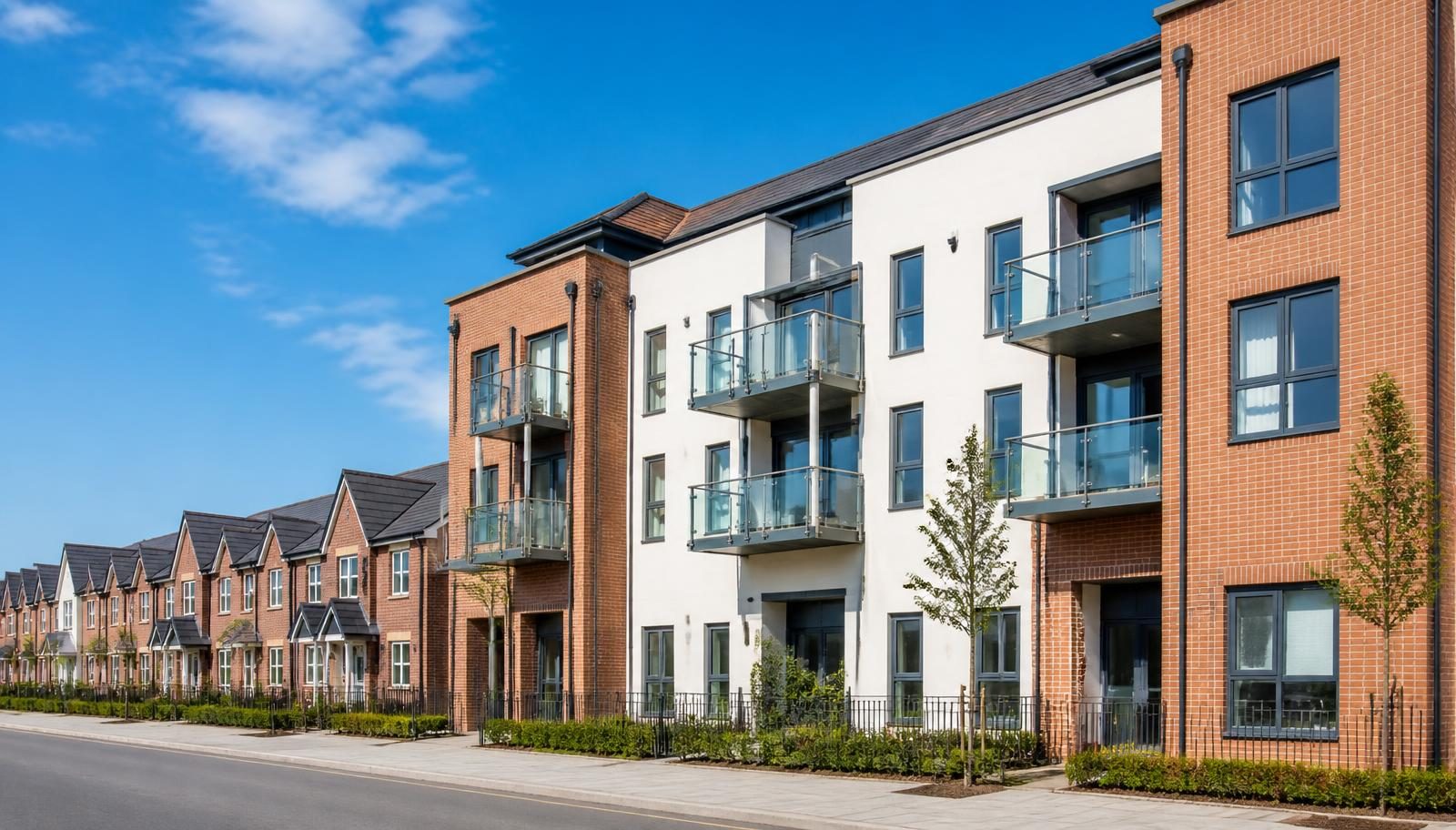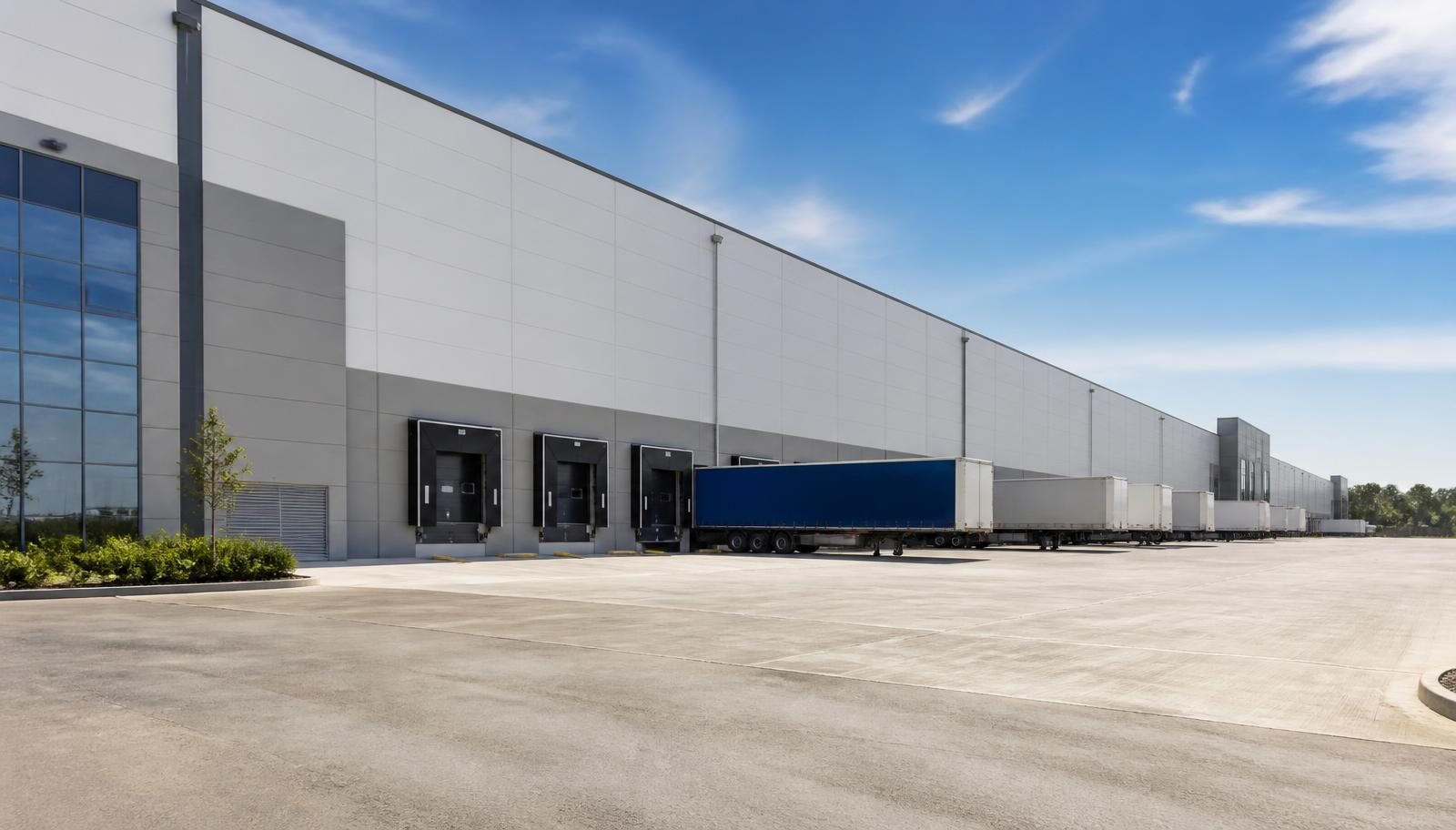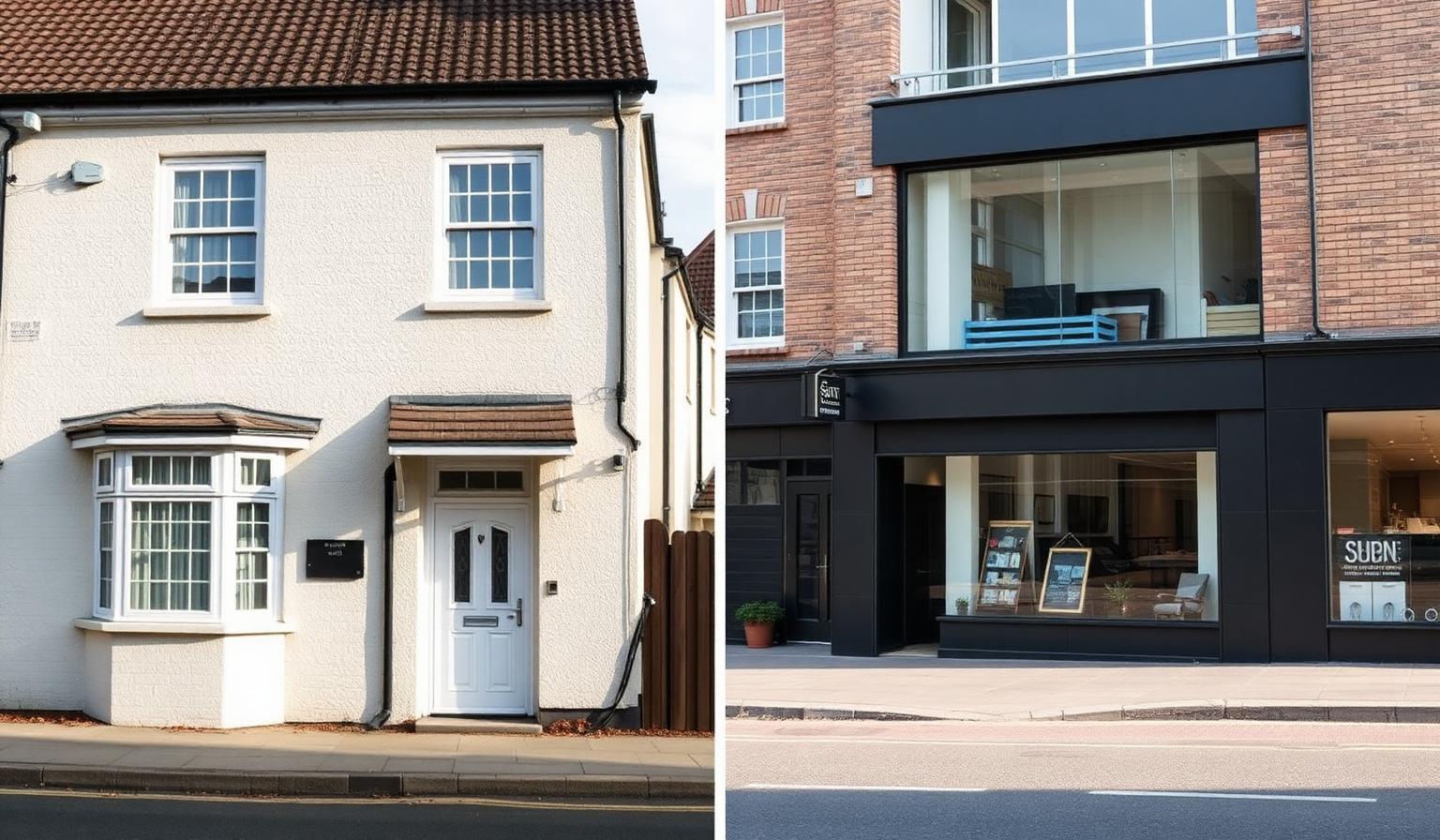
Whether a property is a retail unit, office building or residential rental, the appropriate insurance depends on its use and occupancy. This guide outlines the distinctions between landlord insurance and commercial property insurance in the UK, detailing coverage differences, responsibility for payment and cost considerations as of 2026.
For a deeper look at premiums and rating factors, read our companion guide on understanding commercial property insurance costs.
Unlocking the differences: landlord insurance vs commercial property insurance
Landlord insurance covers properties let to tenants and is broadly divided into residential buy-to-let insurance and commercial landlord insurance for properties let to businesses. Residential landlord insurance focuses on domestic risks, whereas commercial property insurance addresses risks associated with business use.
- Commercial property insurance primarily protects the physical structure and, where included, landlord-owned contents against risks pertinent to commercial use.
- Residential landlord insurance often includes additional protections such as loss of rent resulting from insured events, property owners liability and accidental damage caused by tenants.
- Mixed-use buildings may need policies that reflect both residential and commercial occupancy. For example, a building in London's E1 postcode may require residential landlord insurance if let to domestic tenants, or commercial buildings insurance if used for retail and office purposes.
Business insurance covering tenant stock, equipment or liability for operations is separate and typically arranged by the tenant. The landlord usually arranges buildings insurance and may recover the cost through lease agreements.
Why landlord insurance matters in the UK market
Landlord insurance is designed to address risks not covered by standard home or building insurance policies. It is applicable to:
- Single residential buy-to-let properties
- Small Houses in Multiple Occupation (HMOs)
- Mixed-use buildings containing residential units
- Commercial landlords letting to businesses
Residential landlord insurance commonly includes building insurance, landlord contents cover, property owners liability (which may be included or offered as an optional extension), and optional loss of rent cover triggered by insured events such as fire or flood. It also provides protection against malicious tenant acts and other tenant-related damages.
It is important to note that standard loss of rent cover does not typically respond to tenant default or lease breaks; separate rent guarantee insurance is usually required to protect against loss of rental income due to tenant non-payment or early termination.
Insurers assess factors including tenancy agreement types, claims history and property occupancy status. Determining whether residential buy-to-let, commercial landlord or mixed-use policies are appropriate depends on the property portfolio.
What makes commercial property insurance essential for business premises?
Commercial property insurance applies to buildings primarily used for business purposes, such as retail units, offices, industrial premises, restaurants and healthcare facilities. It is designed to protect against perils relevant to commercial operations.
Typical commercial properties include retail outlets in city centres, warehouses in industrial areas, office complexes, and mixed-use buildings with commercial and residential components.
Core coverage focuses on the building fabric, protecting against fire, flood, storm, escape of water, impact, theft and malicious damage. Contents coverage for landlord-owned items such as fixtures and fittings or communal furniture is generally available through endorsement or as an optional element, not automatically included. Learn more about commercial property insurance cover.
Commercial property insurance may address public liability risks related to the property; however, property owners liability insurance may be included, packaged or added separately depending on the insurer and policy terms. The cover is designed to reflect the higher risks associated with business activities compared to residential use.
Inside commercial landlord insurance: what's included?
Commercial landlord insurance is typically offered as a package combining multiple types of cover for landlords letting properties to business tenants. Typical coverage elements include:
- Commercial buildings insurance based on professional reinstatement valuations
- Property owners liability insurance, covering injury claims from third parties related to the premises (may be included or optional)
- Landlord's own contents insurance (optional)
- Loss of rental income cover following insured events
- Legal expenses insurance for disputes with tenants or third parties (optional)
- Optional rent guarantee insurance to cover tenant default and loss of rental income not caused by insured events
Property owners liability insurance responds to claims for injury or property damage caused by defects in the landlord's premises, distinct from the tenant's operational liabilities.
Commercial landlord insurance can be arranged for individual properties or portfolios, with coverage terms reflecting the risk profile and lease arrangements.
Side-by-side: commercial property insurance vs commercial landlord insurance
| Cover aspect | Commercial property insurance (building focus) | Commercial landlord insurance (package policy) |
|---|---|---|
| Building structure | Yes | Yes |
| Landlord contents | Optional | Usually included |
| Accidental damage | Often optional | Often included |
| Loss of rent (due to insured events) | May be included | Usually included |
| Property owners liability | May be included or added separately | Usually included or optional |
| Legal expenses cover | Rare | Optional or included |
| Rent guarantee (tenant default) | No | Optional |
| Terrorism cover | Optional | Optional |
Coverage varies by insurer and policy; it is essential to review policy documents carefully. Clarifying insurance responsibilities within tenancy agreements helps prevent coverage gaps.
Why use a specialist broker?
We place cover with leading UK insurers, negotiate terms on your behalf and stay with you through renewals and claims.
- Whole of market access to leading UK insurers
- Policy wordings checked line by line, not price alone
- Same day quotes and claims support from a named broker
Same day quotes, no obligation
Who's responsible for building insurance on commercial properties?
Under UK commercial lease arrangements, the landlord (the property owner) is typically responsible for arranging building insurance, although the cost is often recovered from tenants through rent or service charges. The timing of insurance arrangements should be reviewed at exchange of contracts, because responsibility for risk and insurance may pass before completion depending on contractual terms.
Tenants are usually responsible for insuring their own contents and any tenant improvements. In some leasehold scenarios, tenants may have insurable interest and responsibility for building insurance; such cases require careful review of lease terms.
Accurate reinstatement or rebuilding cost valuations by qualified professionals are crucial to ensure adequate insurance and avoid underinsurance penalties. Buildings insurance should be based on a professional reinstatement valuation reflecting the cost to rebuild the property to its previous condition, including materials, labour, professional fees, debris removal and applicable taxes, rather than market value, purchase price or mortgage amount.
Related reading: who should pay building insurance on commercial property.
What does commercial buildings insurance typically cover?
Commercial buildings insurance protects the physical structure based on its rebuilding cost. Standard perils covered often include:
- Fire and explosion
- Storm, flood and escape of water
- Impact damage from vehicles or falling objects
- Theft involving forcible entry or malicious damage
- Accidental damage, sometimes as an extension
Additional cover may include debris removal, architects' and surveyors' fees, trace and access costs for leaks, and loss of rent following insured damage.
Insurance should be in place from the point when risk passes under the contract, which is often at exchange of contracts, but this may vary depending on the legal agreement.
How much will commercial property insurance cost you?
Insurance premiums for commercial properties vary according to multiple factors, including location, construction, occupancy type, sums insured, security measures, claims history and exposure to risks such as flooding or subsidence. Additional factors such as a single renewal date for multiple properties can influence administrative ease and pricing.
Premiums may increase with additional coverage options such as higher liability limits, extended loss of rent periods or terrorism cover. Obtaining quotes from multiple insurers and reviewing policy terms is advisable to ensure cost-effectiveness and adequate protection.
For a deeper breakdown of rating factors and indicative pricing, read our guide on commercial property insurance costs.
How to arrange the right commercial property and landlord insurance
Before securing insurance, property owners should:
- Obtain or update reinstatement or rebuilding cost assessments from qualified surveyors.
- Confirm current and intended use and occupancy.
- Compile claims history and relevant property reports.
- Review lease agreements to clarify insurance responsibilities.
When selecting policies, attention should be given to excess levels, exclusions, treatment of unoccupied properties, and the calculation of loss of rent. Regular policy reviews are recommended, especially following tenant changes, refurbishments or alterations affecting risk.
Beyond core buildings insurance, landlords may also consider accidental damage cover, terrorism cover (particularly in high-risk locations), legal expenses insurance, rent guarantee insurance, extended loss of rent cover, and coverage for unoccupied properties.
Working with Taurus Risk Management
Taurus Risk Management is an FCA-regulated independent insurance broker based in London, advising landlords, investors and business owners across the UK. Whether you need residential landlord insurance, commercial landlord insurance or a wider commercial property programme, we structure the right cover and manage claims across single buildings and full portfolios.
Frequently Asked Questions
Is commercial landlord insurance a legal requirement in the UK?
Commercial landlord insurance is not a statutory requirement in the UK. However, mortgage lenders and most commercial leases require buildings insurance as a condition of finance or occupancy, and employers' liability insurance is usually a legal requirement where staff are employed.
What is the difference between landlord insurance and commercial property insurance?
Landlord insurance covers properties let to tenants, divided into residential and commercial landlord insurance. Commercial property insurance covers buildings used for business purposes, focused on the structure and related risks. Commercial landlord insurance is typically packaged with liability, loss of rent and optional rent guarantee, while standalone commercial property insurance is usually narrower.
Who pays for building insurance under a commercial lease?
The landlord typically arranges buildings insurance, with the cost recharged to tenants through rent or service charges under a fully insuring and repairing (FRI) lease. Tenants are usually responsible for insuring their own contents, stock and any tenant improvements.
What does loss of rent cover include?
Loss of rent cover replaces lost rental income while a property is uninhabitable following an insured event such as fire or flood. It does not typically respond to tenant default or lease breaks; separate rent guarantee insurance is required for that exposure.
How is the sum insured calculated for buildings insurance?
Buildings insurance should be based on a professional reinstatement valuation reflecting the full cost to rebuild the property, including materials, labour, debris removal, professional fees and applicable taxes. It is not the same as market value, purchase price or mortgage amount.