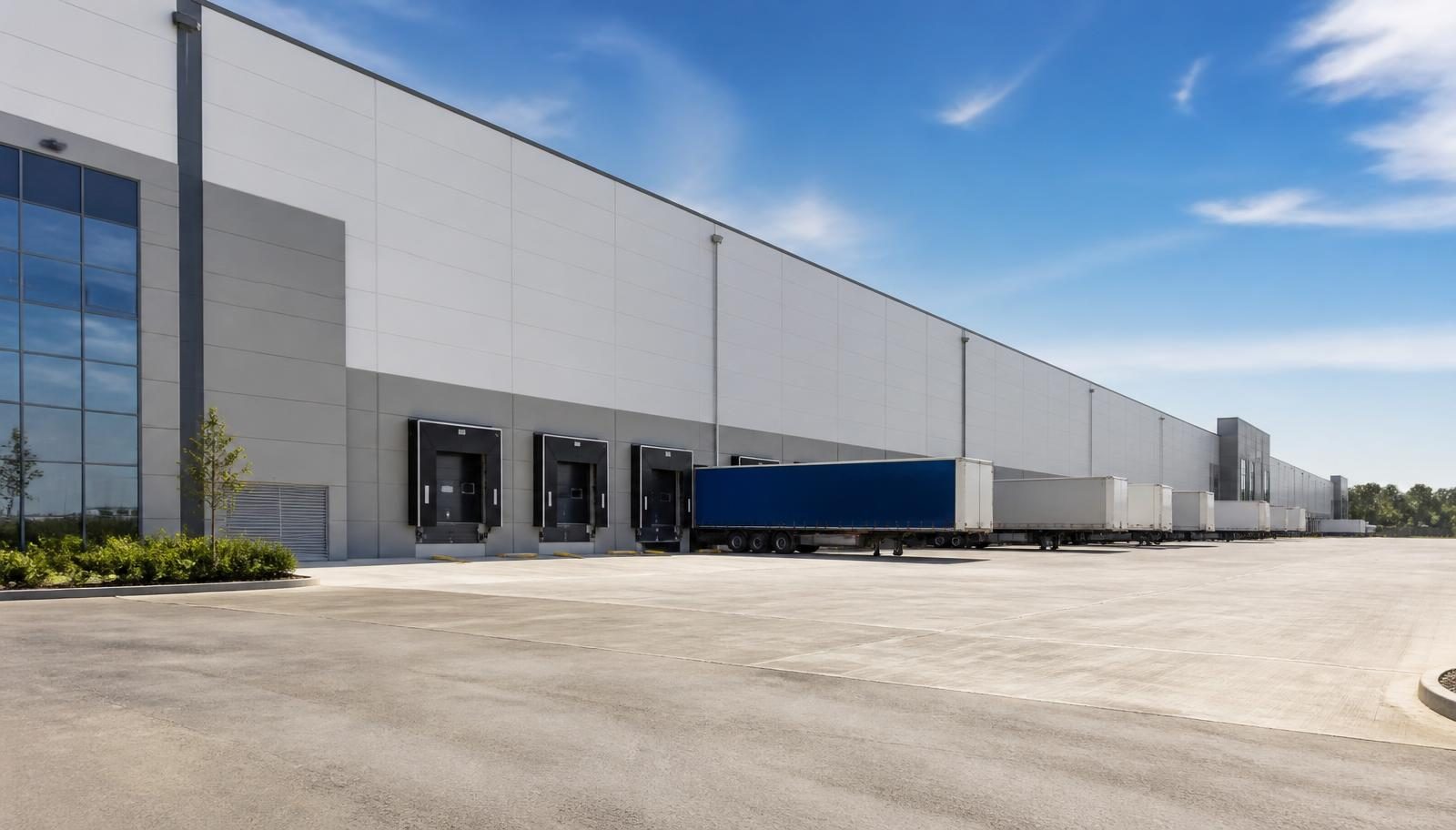
Warehouse owners insurance is a specialist business insurance package for companies that own or operate warehouse premises in the UK. It typically combines buildings, contents, plant and machinery, stock, business interruption, and employers' and public liability cover into a single policy structured around the risks of a storage operation. Where a business also stores goods belonging to its customers, the package can generally be extended to include warehouse legal liability cover.
Warehouses concentrate significant value under one roof: the building itself, racking and handling equipment, stock, and often goods belonging to other businesses. They also carry meaningful fire, theft and injury exposures. A warehouse owners policy is designed to address these risks in a coordinated way, so that a single serious incident does not leave gaps between separately arranged covers.
Who Needs Warehouse Owners Insurance?
Warehouse owners insurance is generally relevant to:
- Businesses that own warehouse premises, whether they occupy the building themselves or lease it to a tenant.
- Distribution and wholesale businesses storing their own stock ahead of sale or despatch.
- Third-party logistics (3PL) and fulfilment operators storing and handling goods for customers.
- Manufacturers using warehouse space for raw materials and finished goods, often alongside manufacturing insurance.
- Landlords of industrial units, whose position may sit closer to commercial property owners' insurance depending on the lease.
The right structure generally depends on who owns the building, who occupies it and whose goods are inside. A broker can help match the policy to the actual arrangement.
Buildings Insurance for Warehouse Premises
For an owned warehouse, buildings cover typically protects the structure against perils such as fire, storm, flood, escape of water, impact and malicious damage. Cover is usually arranged on a reinstatement basis, meaning the sum insured should generally reflect the full cost of demolition, clearance and rebuilding, not the building's market value.
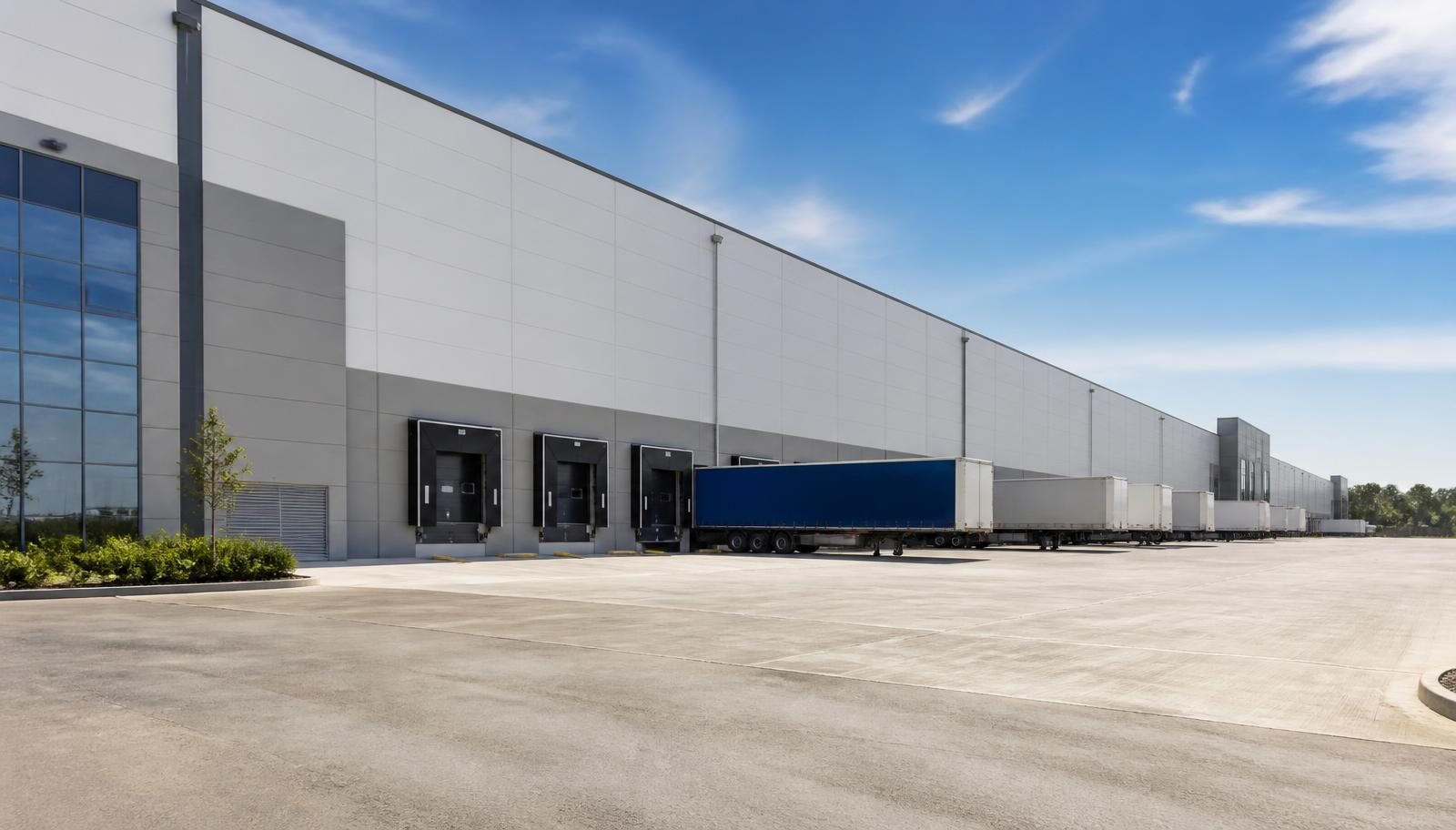
Warehouse buildings often include features that can affect both value and risk, such as composite panel construction, sprinkler systems, loading bays and mezzanine floors. These should generally be declared accurately, as construction details carry significant weight with insurers. Where the building is leased rather than owned, responsibility for buildings insurance usually follows the lease.
Contents, Plant and Stock Cover
Beyond the building, a warehouse operation typically needs cover for:
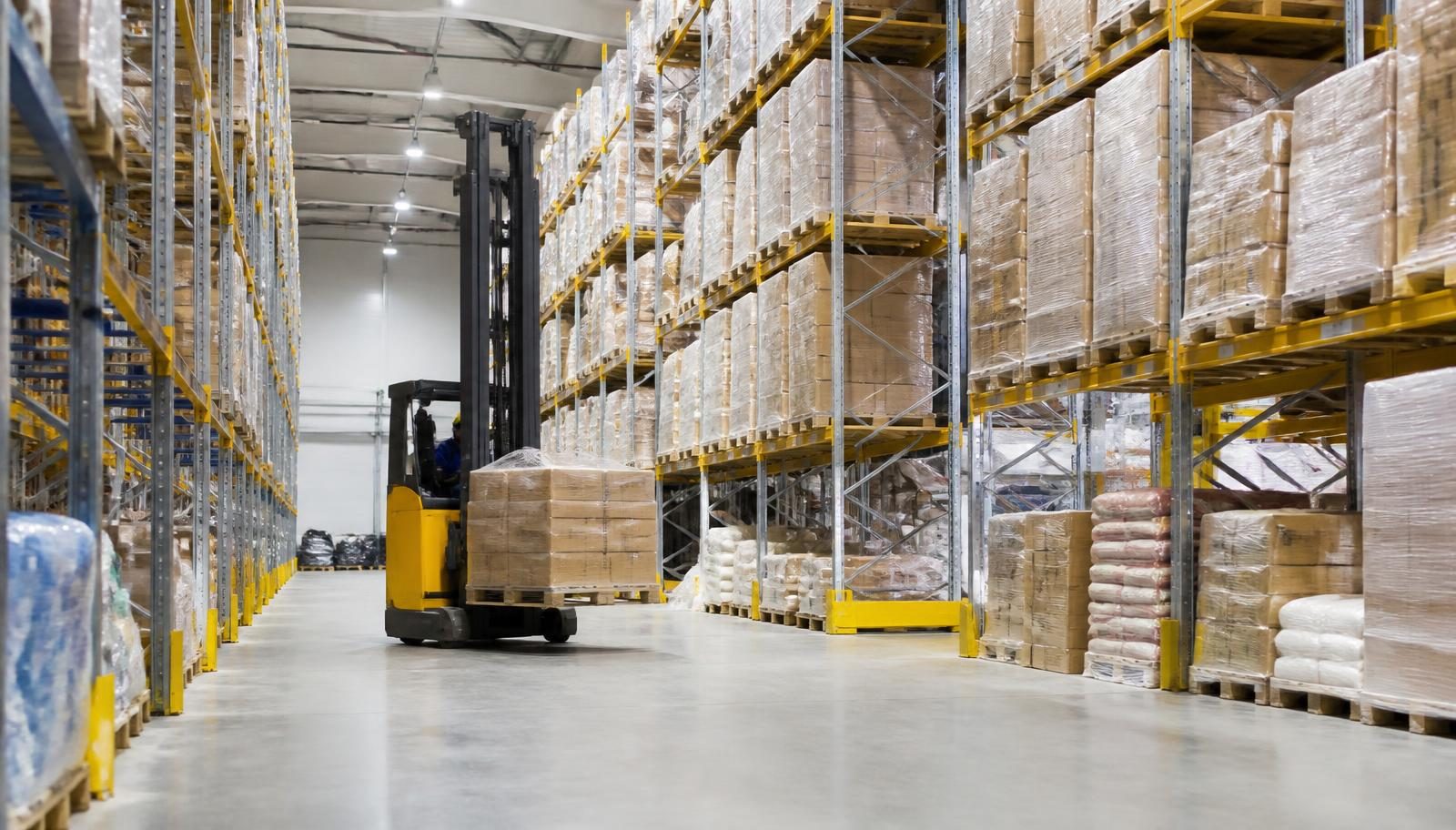
- Racking, fixtures and fittings, often substantial values in their own right.
- Plant and machinery: forklifts, conveyors, packing lines and handling equipment.
- Own stock: goods the business owns, which may fluctuate significantly across the year. Declaring realistic peak values can help avoid underinsurance at the worst moment.
- Computer and office equipment supporting the operation.
Our guide to business property insurance explains how these property covers generally fit together.
Business Interruption Cover
Business interruption cover typically protects the income of the business following insured damage: lost revenue, ongoing overheads and the increased costs of working from temporary premises. For warehouse operations this cover can be critical, as a serious fire may close a facility for many months and customer contracts can be lost quickly while a site is rebuilt.
The indemnity period should generally reflect a realistic timeline to rebuild, re-equip and win back trade, which for a large warehouse may be well beyond 12 months.
Why use a specialist broker?
We place cover with leading UK insurers, negotiate terms on your behalf and stay with you through renewals and claims.
- Whole of market access to leading UK insurers
- Policy wordings checked line by line, not price alone
- Same day quotes and claims support from a named broker
Same day quotes, no obligation
Employers' and Public Liability
Employers' liability insurance is a statutory requirement for warehouse operators with staff, with a legal minimum of £5 million of cover. Warehouse work carries real injury exposure through manual handling, vehicle movements, racking and working at height, and operating without valid cover can attract fines of up to £2,500 per day.
Public liability cover typically protects against claims from visitors, delivery drivers and other third parties who suffer injury or property damage connected to the operation, with limits often ranging from £2 million to £10 million.
Storing Customers' Goods
Where a warehouse holds goods belonging to other businesses, the operator generally takes on legal responsibilities as a bailee, and standard property covers typically exclude customers' goods. This exposure is usually addressed through warehouse legal liability insurance, which covers the operator's legal liability for loss of or damage to goods in its care, custody or control.
Operators storing third-party goods often trade under standard conditions such as those of the UK Warehousing Association (UKWA), which typically limit liability to customers. The policy and the trading conditions generally need to align, and our dedicated guide covers this in detail.
Optional Covers Worth Considering
Depending on the operation, a warehouse owners policy may be extended to include:
- Goods in transit, where the business also collects or delivers goods by road.
- Terrorism cover, particularly for high-value sites or where required by lenders.
- Engineering inspection and breakdown: statutory inspections for lifting equipment and cover for machinery breakdown.
- Cyber insurance, as warehouse management systems are increasingly business-critical.
- Directors' and officers' cover, protecting the personal position of the company's directors.
- Legal expenses: commercial disputes, employment issues and regulatory matters.
Warehouse Owners Insurance vs Standard Commercial Insurance
A standard commercial combined policy generally covers a business's own property and everyday liabilities, but it is rarely structured around warehouse-specific risks. Differences typically include how construction and fire protections are rated, how stock fluctuations are handled, the treatment of customers' goods, commonly excluded under standard wordings, and the scale of business interruption exposure a single site can represent.
For a warehouse operation, buying a generic package without specialist input may leave the largest exposures under-covered. A specialist commercial broker can generally structure the programme around the specific site and operation.
What Affects the Cost of Warehouse Insurance
Premiums for warehouse owners insurance generally reflect:
- Construction and protections: composite panels, sprinklers, alarms, security and fire separation often carry significant weight.
- Values at risk: rebuild cost, contents, plant and peak stock values.
- Nature of goods stored: hazardous, high-value or theft-attractive goods typically increase pricing.
- Whether customers' goods are held, and the trading conditions and liability limits that apply.
- Claims history: both frequency and severity.
- Location: flood risk, crime rates and site accumulation.
Good housekeeping, documented processes and accurate declarations can all support better terms. Many of the principles in our guide to reducing business insurance costs apply equally to warehouse risks, and our warehouse insurance guide covers the wider market picture.
Frequently Asked Questions
What is warehouse owners insurance?
Warehouse owners insurance is a specialist package for businesses that own or operate warehouse premises. It typically combines buildings, contents, plant, stock, business interruption and liability covers, and can generally be extended to cover legal liability for customers' goods where third-party goods are stored.
Is warehouse owners insurance a legal requirement?
Most elements are not legally required, though employers' liability insurance is a statutory requirement for businesses with staff, with a minimum of £5 million of cover. Landlords, lenders and customer contracts often require other covers in practice.
Does warehouse insurance cover my customers' goods?
Generally not under standard property sections, which usually cover the business's own stock. Goods belonging to customers are typically insured through warehouse legal liability cover, which responds where the operator is legally liable for their loss or damage.
How much business interruption cover does a warehouse need?
The indemnity period should reflect a realistic timeline to rebuild the site, replace racking and equipment, and win back trade. For a large warehouse this is often longer than the 12 months commonly selected.
Can a landlord insure a warehouse let to a tenant?
Possibly, and it depends on the lease. Buildings cover usually sits with whoever the lease makes responsible, while contents, stock, business interruption and liability covers generally remain the occupier's to arrange. A broker can review the lease and structure cover accordingly.