Landlord portfolio insurance is a type of policy that typically covers multiple rental properties under a single arrangement, rather than insuring each property separately. It generally combines buildings, contents, loss of rent or business interruption, and property owners' liability cover across the whole portfolio, often with one renewal date, one premium and one set of policy documents.
Landlords with more than one property often find that managing separate policies becomes harder as a portfolio grows. Different renewal dates, different insurers and inconsistent cover terms can create administrative work and, in some cases, gaps in protection. Portfolio insurance is designed to address this by bringing every property under one policy structure, and it may also improve buying power, as insurers often view a portfolio as a single, larger risk.
How Landlord Portfolio Insurance Works
A portfolio policy typically lists every property on a single schedule, with sums insured and cover details recorded for each one. The policy usually renews on one date, and premiums are generally calculated across the portfolio as a whole rather than property by property.
Properties can often be added or removed mid-term as the portfolio changes, with the premium adjusted accordingly. This flexibility can be useful for landlords who buy and sell regularly, as it may avoid the need to arrange a brand-new policy every time a property completes.
Some insurers may also offer blanket or day-one uplift arrangements across a portfolio, which can reduce the risk of underinsurance where rebuild costs have moved since the last valuation. A specialist broker can advise on whether these arrangements suit a particular portfolio.
What Landlord Portfolio Insurance Typically Covers
Cover varies by insurer and policy, but a landlord portfolio policy generally includes:
- Buildings insurance: the structure of each property against perils such as fire, flood, storm and escape of water, usually arranged on a reinstatement basis.
- Landlord contents: furnishings and equipment the landlord provides, which may matter more for furnished lets.
- Loss of rent or business interruption: rental income that may be lost if a property becomes uninhabitable following insured damage, often including alternative accommodation for displaced tenants.
- Property owners' liability: claims from tenants or third parties who suffer injury or property damage connected to the premises, often with limits from £2 million to £10 million.
- Optional extensions: covers such as accidental damage, malicious damage by tenants, legal expenses, rent guarantee, terrorism, directors' and officers' cover, engineering and loss recovery insurance may be available depending on the insurer.
Properties that are empty between tenancies may need specific attention, as unoccupied properties are often subject to restricted cover or additional conditions.
Who May Benefit from Portfolio Insurance
Portfolio insurance is generally aimed at landlords with two or more properties, though many insurers reserve their most competitive terms for portfolios of three, five or more. It can suit:
- Buy-to-let landlords with several residential properties held personally or through a limited company.
- Professional landlords and property companies managing larger residential or commercial holdings.
- Mixed-use owners with shops, offices or blocks of flats alongside standard residential lets.
- Landlords with unusual assets, such as holiday lets or HMOs, which some standard policies may exclude.
Landlords with a single rental property usually would not need a portfolio policy, though it is worth noting that standard home insurance is generally not suitable for any let property.
Why use a specialist broker?
We place cover with leading UK insurers, negotiate terms on your behalf and stay with you through renewals and claims.
- Whole of market access to leading UK insurers
- Policy wordings checked line by line, not price alone
- Same day quotes and claims support from a named broker
Same day quotes, no obligation
Portfolio Insurance vs Separate Landlord Policies
The main differences between a portfolio policy and separate landlord policies typically include:
- Administration: one renewal date and one set of documents, rather than several policies to track and renew individually.
- Pricing: insurers often price a portfolio as a single larger risk, which may produce a lower overall premium than the sum of individual policies.
- Consistency: the same cover terms, conditions and excesses generally apply across every property, reducing the chance of an overlooked gap.
- Flexibility: properties can usually be added or removed mid-term, which separate policies may not accommodate as easily.
There can be trade-offs. A claims-heavy property may affect the pricing of the whole portfolio, and some landlords may prefer to keep a higher-risk asset insured separately. Switching from several individual policies to a portfolio arrangement also needs care to avoid gaps in cover during the transition. Our comparison of portfolio versus single property insurance looks at this choice in more detail.
Mixed and Commercial Portfolios
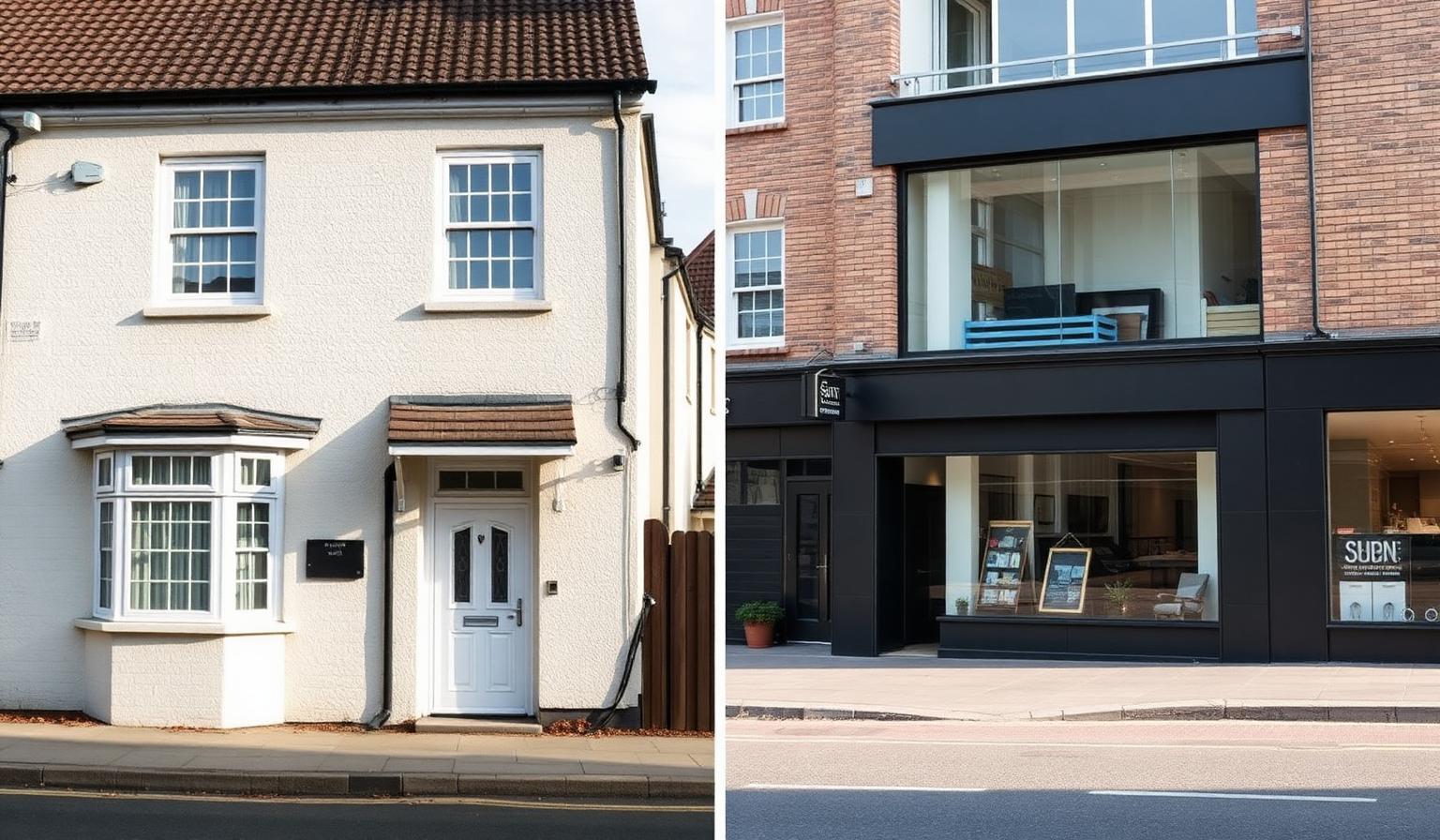
Portfolios rarely stay uniform. A landlord may hold standard residential lets alongside commercial units, mixed-use buildings with flats above shops, or freehold blocks. A portfolio policy can often accommodate this mix in a way individual products may not.
Commercial and mixed-use properties tend to bring additional considerations, including who is responsible for buildings insurance under a lease, tenant trade types and higher liability exposures. Specialist arrangements for commercial property or commercial real estate may be more appropriate where commercial assets dominate the portfolio.
What Affects the Cost of Portfolio Insurance
Premiums vary widely, and insurers generally assess:
- Number and type of properties: residential, commercial, HMO, holiday let or mixed.
- Total sums insured: combined rebuild costs across the portfolio.
- Location and construction: flood risk, property age and non-standard construction can each affect pricing.
- Tenant profile: professional lets, students, DSS tenants and commercial trades may be rated differently.
- Claims history: portfolio-wide claims experience often carries significant weight.
- Cover choices: liability limits, optional extensions and excess levels.
Reviewing sums insured regularly, managing higher-risk properties proactively and presenting a well-documented portfolio to insurers can all help keep costs proportionate. Many of the strategies in our guide to reducing business insurance costs apply equally to property portfolios, and our portfolio landlord insurance cost guide sets out typical pricing drivers.
Frequently Asked Questions
What is landlord portfolio insurance?
Landlord portfolio insurance is a policy that typically covers multiple rental properties under one arrangement, usually combining buildings, landlord contents, loss of rent and property owners' liability cover with a single renewal date and premium.
How many properties do I need for portfolio insurance?
Most insurers generally consider portfolios from two or three properties upwards, though terms often become more competitive as the portfolio grows. Requirements vary by insurer, so it may be worth speaking to a broker even with a small portfolio.
Is portfolio insurance cheaper than separate landlord policies?
It often can be, because insurers typically price a portfolio as a single larger risk and administration is reduced. The saving is not guaranteed, and a claims-heavy property can affect pricing across the whole portfolio.
Can I mix residential and commercial properties on one policy?
Usually, yes. Many portfolio policies can accommodate residential lets, commercial units, mixed-use buildings and blocks of flats on one schedule, though the structure and insurer appetite will depend on the mix of assets.
Can I add properties to a portfolio policy mid-term?
Generally, yes. Most portfolio policies allow properties to be added or removed during the policy year with a premium adjustment, which can be useful for landlords who buy and sell regularly.