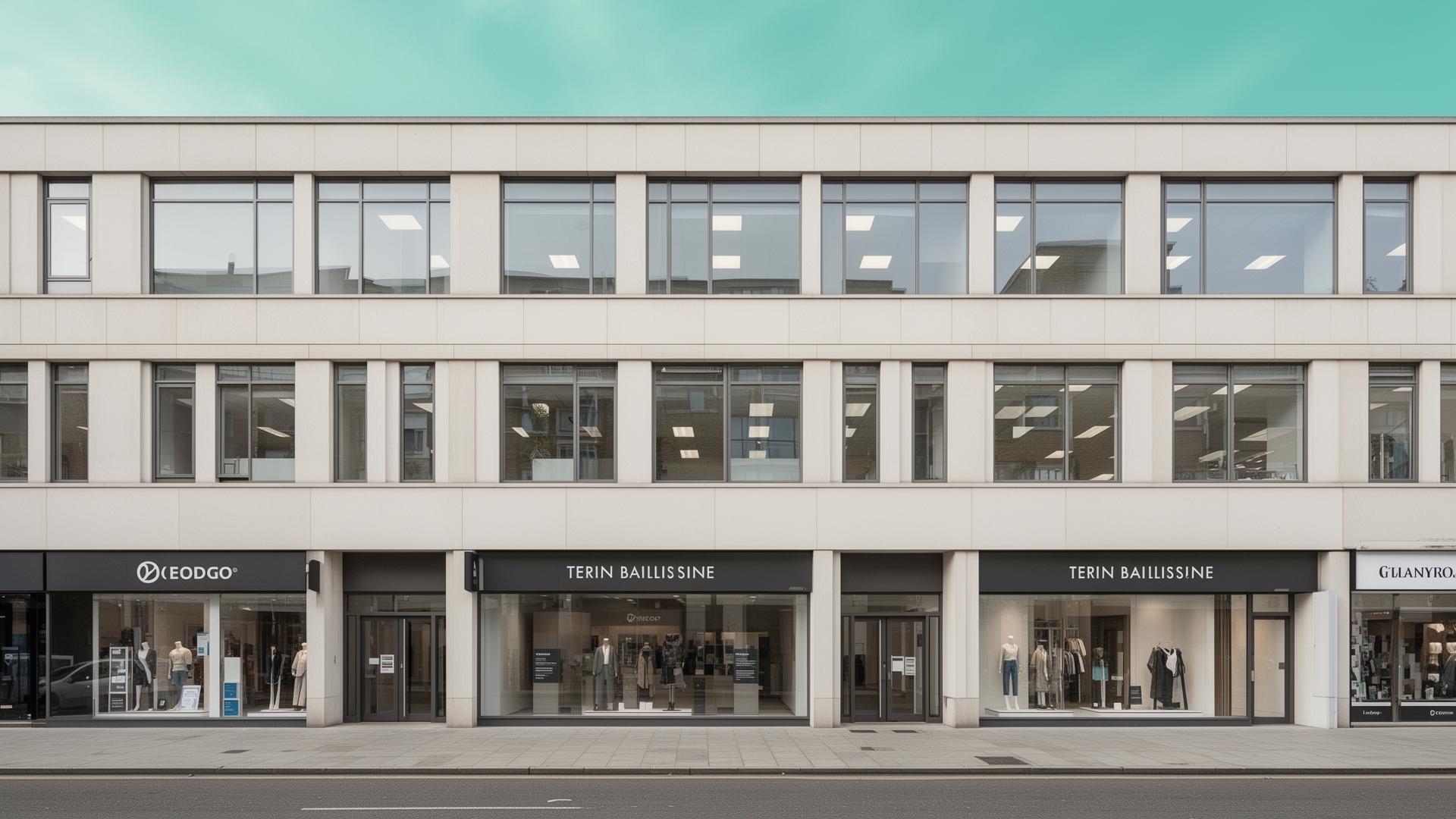
Office businesses can often reduce their insurance costs by improving risk management, setting accurate sums insured, reviewing excess levels, combining covers into a single package, and having a specialist broker re-market the policy at renewal. The aim is generally to lower the premium without weakening the cover the business relies on.
Insurance is a significant overhead for many office businesses, and premiums across office insurance packages can drift upwards year on year if policies renew without review. The good news is that office risks are generally well understood by insurers, which means well-presented, well-managed businesses often have genuine room to negotiate.
Review Your Cover Before Cutting It
The starting point is usually a full review of what the business currently buys. Over time, policies can accumulate covers that no longer match the operation: contents sums based on equipment that has been replaced, business interruption periods that no longer reflect recovery times, or premises cover for space the business has given up.
Equally, some covers should generally not be reduced. Employers' liability insurance is a statutory requirement for most businesses with staff, with a legal minimum of £5 million, and operating without it can attract fines of up to £2,500 per day. Public liability cover is not compulsory, but it is typically bought by offices that receive visitors or clients, and is generally a cover to review rather than remove.
Get Your Sums Insured Right
Inaccurate sums insured can cost money in both directions. Overinsurance generally means paying premium for cover the business could never claim, while underinsurance can lead to claims being reduced proportionately under average clauses.
For office businesses, it is often worth checking:
- Buildings: where the business owns its premises, the sum insured should usually reflect full reinstatement cost, not market value. Our guide to business building insurance covers this in detail.
- Contents and equipment: based on current replacement values, not historic purchase prices.
- Business interruption: the indemnity period should generally reflect a realistic recovery timeline, which for many businesses may be longer than the 12 months commonly selected.
Improve Physical Security and Fire Protection
Insurers often rate office risks partly on protections. Measures that may help reduce premiums include insurer-approved alarm systems, secure entry controls, CCTV, safes for cash or sensitive items, and well-maintained fire detection and suppression systems.
Before investing, it is generally worth asking the insurer or broker which improvements would actually influence pricing. Some measures matter far more to underwriters than others, and requirements can vary between insurers. Our guide to office insurance premium factors sets out what tends to move the needle.
Consider Your Excess Levels
Accepting a higher voluntary excess typically reduces the premium, because the business retains more of each loss. This can suit businesses with strong cash flow that would rather self-fund small losses than claim for them, particularly as frequent small claims can themselves push premiums up over time.
The excess should always remain affordable. An excess the business could not comfortably pay after a loss may create more problems than the premium saving is worth.
Why use a specialist broker?
We place cover with leading UK insurers, negotiate terms on your behalf and stay with you through renewals and claims.
- Whole of market access to leading UK insurers
- Policy wordings checked line by line, not price alone
- Same day quotes and claims support from a named broker
Same day quotes, no obligation
Combine Covers into a Package Policy
Buying buildings, contents, business interruption, public liability and employers' liability as separate policies is often more expensive than combining them into a single office package. Package policies generally offer better overall pricing, one renewal date, and fewer gaps or overlaps between covers.
Businesses with multiple premises may benefit from consolidating sites onto one policy, in much the same way that landlords may benefit from portfolio insurance across several properties.
Manage Claims and Risk Proactively
Claims history is usually one of the biggest factors in office insurance pricing. Steps that can help include:
- Recording and investigating incidents even where no claim follows, to identify patterns early.
- Maintaining the premises: many office claims stem from preventable issues such as escape of water, trip hazards and electrical faults.
- Documenting risk management: health and safety policies, equipment testing and staff training can all support a better presentation to underwriters.
- Considering whether to claim for losses close to the excess, where the long-term premium impact may exceed the recovery.
A business that can evidence good risk management often secures meaningfully better terms than one that cannot, even where their claims records look similar.
Reflect Hybrid and Remote Working
Many office businesses now occupy less space, hold less equipment on site, and have staff working from home for part of the week. If the policy still reflects pre-hybrid arrangements, the business may be paying for exposure it no longer has.
It is generally worth reviewing whether contents sums, employee numbers on site and premises details remain accurate, and whether portable equipment cover extends to laptops and devices used at home. Our guide to office insurance for hybrid and remote businesses explores this in more detail.
Use a Specialist Broker at Renewal
Perhaps the single most effective step is having a specialist commercial broker review and re-market the programme at renewal. A broker can typically:
- Compare terms across insurers that may not be available on comparison platforms.
- Present the business's risk management to underwriters in a way that supports better pricing.
- Identify covers that overlap, duplicate or no longer fit.
- Negotiate excess structures, long-term agreements and mid-term flexibility.
Auto-renewing year after year tends to be the most expensive approach of all. A market review every renewal, or at minimum every two to three years, generally keeps pricing honest. Our office insurance cost guide explains what UK businesses typically pay.
Frequently Asked Questions
How can I reduce my office business insurance costs?
Common approaches include setting accurate sums insured, improving security and fire protection, accepting a higher voluntary excess, combining covers into a package policy, managing claims proactively, and having a specialist broker re-market the policy at renewal.
Will a higher excess reduce my office insurance premium?
Usually, yes. A higher voluntary excess generally lowers the premium because the business retains more of each loss. The excess should remain at a level the business could comfortably afford after an incident.
Is it cheaper to combine office insurance covers into one policy?
Often. Package policies combining buildings, contents, business interruption and liability covers are generally priced more competitively than the same covers bought separately, and they can reduce gaps and overlaps between policies.
Can I reduce costs by cutting employers' liability cover?
No. Employers' liability insurance is a legal requirement for most UK businesses with staff, with a minimum of £5 million of cover. Savings should generally come from risk management, accurate sums insured and market reviews rather than removing statutory or essential covers.
Does hybrid working reduce office insurance costs?
It can. Smaller premises, less equipment on site and fewer staff in the office may reduce some exposures, though home and portable equipment cover may need to increase. An accurate, updated presentation to insurers is generally the way to capture any saving.