What is listed commercial building insurance?
Listed commercial building insurance is property owners' insurance for a commercial building that is listed. It usually covers buildings, loss of rent and property owners' liability, with options such as terrorism and engineering inspection.
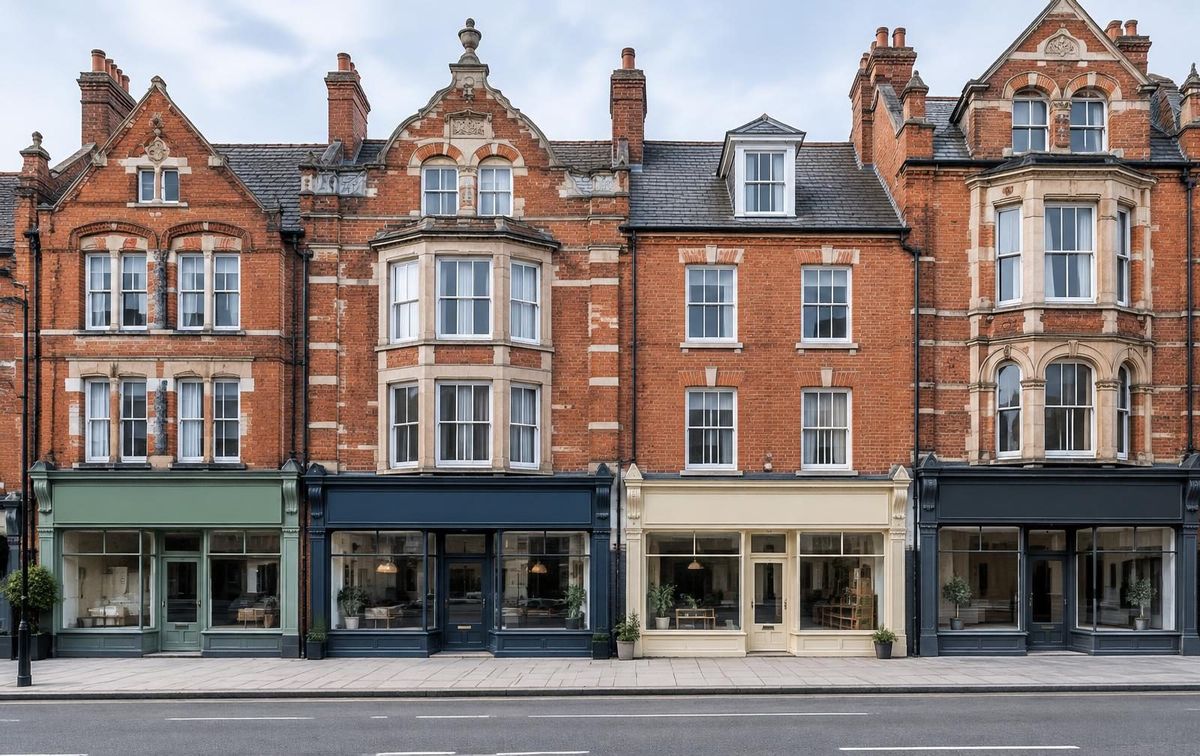
The difference from standard commercial property cover is the basis of reinstatement. Listing protects the building inside and out, so original shopfronts, staircases and plasterwork may need reinstating in kind. Many historic commercial buildings that are not listed, such as period parades, raise similar rebuild issues.
For the general picture, see our commercial property insurance page. The pillar guide to insuring a listed building covers heritage cover in more depth.
Who insures a listed commercial building, landlord or tenant?
The lease decides. In many multi-let and FRI (full repairing and insuring) arrangements, the landlord insures the whole building and recovers the premium from tenants through rent or service charge.
| Lease position | Who arranges buildings cover | Who pays | Points to check |
|---|---|---|---|
| Single-let FRI, landlord insures | Landlord | Tenant, by insurance rent | Reinstatement basis; tenant's interest noted |
| Single-let FRI, tenant insures | Tenant | Tenant | Landlord's approval of insurer and terms |
| Multi-let, service charge | Landlord | Tenants, via service charge | Fair apportionment; transparency of premium |
| Internal repairing lease | Landlord | Landlord, or partly recharged | Tenant insures own fit-out and contents |
Tenants typically insure their own contents, stock and business interruption. Most leases also deal with what happens if the building is damaged by an uninsured risk.
How should a listed office or shop be valued for insurance?
The sum insured should be the full cost of reinstating the building like for like, with professional fees, debris removal and VAT you cannot recover. It should not be the investment value.
Listed commercial buildings often mix historic fabric with later fit-outs. Be clear which elements belong to the landlord and which are tenant's improvements. Commission a reinstatement cost assessment from a surveyor with heritage experience, and review it after major works.
Our guide to listed building rebuild cost explains what the figure should include.
What do insurers ask about a listed commercial building?
Insurers want to understand the building, its tenants and how well it is managed. Clear information up front usually leads to better terms.
Expect questions on the listing grade, construction and roof, and the age of wiring and heating. Insurers will also ask about each tenant's trade, fire detection, separation between units, vacant space and planned works.
What to have ready for a quote
- The listing grade or category.
- Construction of the walls, roof, floors and framing, and the age of each part.
- A current reinstatement cost assessment: its figure, when it was done and by whom.
- Whether an electrical inspection has been carried out, and when.
- Heating, fire and security protections, and how commercial and residential parts are separated.
- A schedule of tenancies, with each tenant's trade.
- The rent roll, with the annual rent for each unit.
- Each lease's repairing and insuring terms.
- Any vacant units, and how long they have been empty.
- Flats above, and how they are let (assured shorthold tenancies, holiday lets or long leases).
- Wageroll, if you employ staff such as caretakers or cleaners.
- Any planned or ongoing works, and evidence of regular maintenance.
- Your claims record for the last five years.
How does mixed use affect a listed building's insurance?
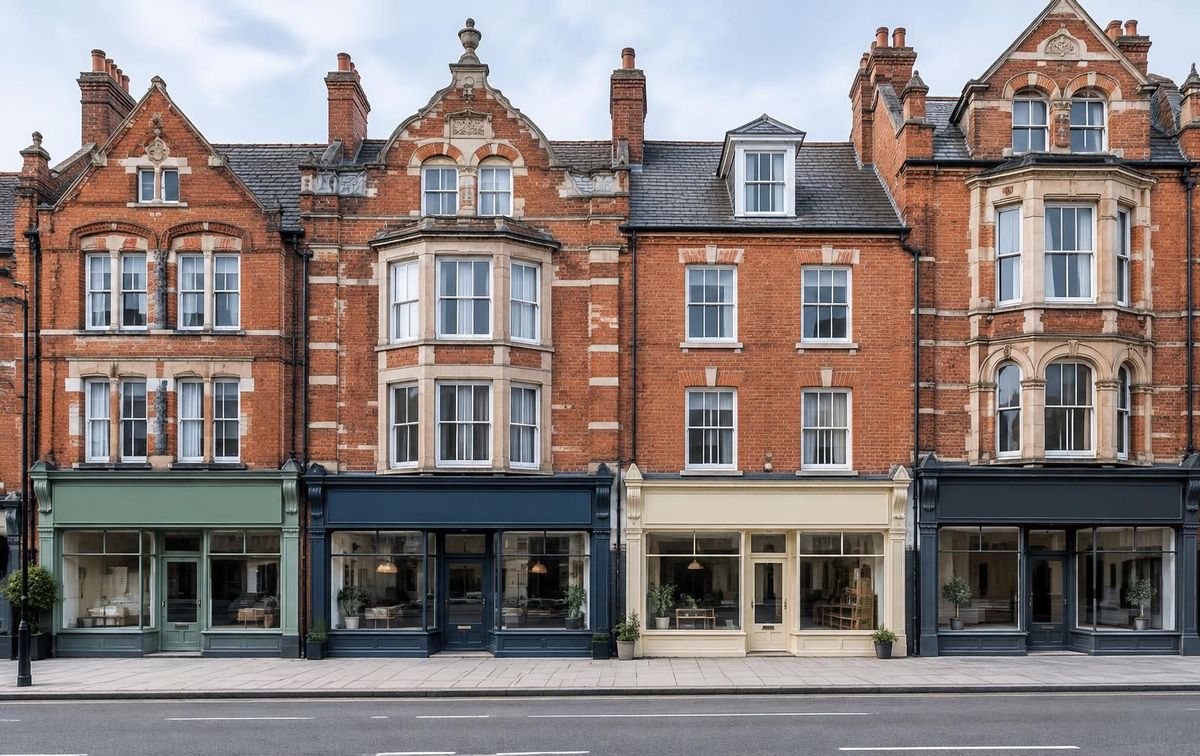
A listed building with shops below and flats above is a mixed-use risk. Insurers will want to know every occupancy, because the most hazardous one often drives the rating.
A restaurant or takeaway below residential flats is very different from a solicitor's office below them. Insurers will ask about separation between commercial and residential parts, fire alarms, escape routes and how flats are let. Where a listed building has a commercial kitchen, some insurers may ask for extra precautions, such as automatic fire suppression.
Where flats are sold on long leases, the freeholder's lease obligations usually require it to insure the whole building. See our mixed-use building insurance page for more.
How long should loss of rent cover run on a listed building?
Long enough to reinstate the building and re-let it. For a listed building, that can mean an indemnity period well beyond the 12 months often offered by default, with 18, 24 or 36 months often more realistic and the sum insured set to match.
The timeline includes:
- Making the building safe and agreeing the scope of works.
- Obtaining any listed building consent required.
- Sourcing matching materials and specialist trades.
- Completing the works and sign-off.
- Finding new tenants if existing ones have exercised break rights.
Illustrative example: A listed office earns £300,000 a year in rent. A serious fire takes 24 months to reinstate, then nine months to re-let. On a 24-month indemnity period, the landlord could lose around £225,000 of uninsured rent.
Our guide to loss of rent insurance explains how the cover works.
What property owners' liability does a landlord need?
Property owners' liability covers the landlord's legal liability for injury or damage caused by the building, such as falling masonry or a defective staircase. Historic buildings can have specific hazards.
Loose stonework, chimney stacks, parapets and old railings need regular inspection. Repairs may themselves need consent, so build that into maintenance plans. Read more about commercial property insurance for landlords.
What happens when a listed unit is empty?
Unoccupied units change the risk, and most policies restrict cover once a building or unit has been empty beyond a set period. Conditions often include regular inspections, draining water and securing the property.
For a listed building, an empty unit can bring escape of water, vandalism and arson risks that are expensive to repair like for like. Tell your insurer as soon as a unit falls vacant. See our guide to unoccupied property insurance.
Do tenants' alterations need listed building consent?
Often, yes. Works that affect the building's special character need listed building consent, even when a tenant is doing them.
In England and Wales, carrying out such works without consent is an offence under the Planning (Listed Buildings and Conservation Areas) Act 1990. The planning authority can also require them to be reversed. Cadw notes that even replacing an external door, or repainting, may need consent.
For landlords, this has insurance consequences:
- The lease should require landlord approval and proper consents before tenants' works.
- Insurers should be told about significant works, especially hot works.
- Tenant's improvements may need to be insured by the tenant or added to the landlord's sum insured.
Related cover: Property Owners