Shannon
Verified Customer
Billy was very helpful in helping me arrange my insurance. He was prompt when replying to emails, knowledgeable and friendly. Thank you Taurus Risk Management!
We use cookies to analyse traffic and personalise content. Privacy Policy
We use cookies
We use cookies and similar technologies to enhance your browsing experience, analyse website traffic, and provide personalised content. By clicking "Accept All", you consent to our use of cookies. Learn more in our Privacy Policy
Listed and heritage building insurance pays to repair or rebuild a historic building like for like. That means matching materials, traditional craftsmanship and the consents heritage law requires. Taurus is an independent, FCA-authorised broker. We compare UK insurers with appetite for historic property, and we favour those with a strong record of handling large heritage claims.
We work with owners of every grade of listed building, from Grade II cottages and townhouses to Grade I country houses, coaching inns, listed hotels and period offices. For homes we work alongside our private client team; for trading buildings, alongside our hospitality, pub and commercial property practices.
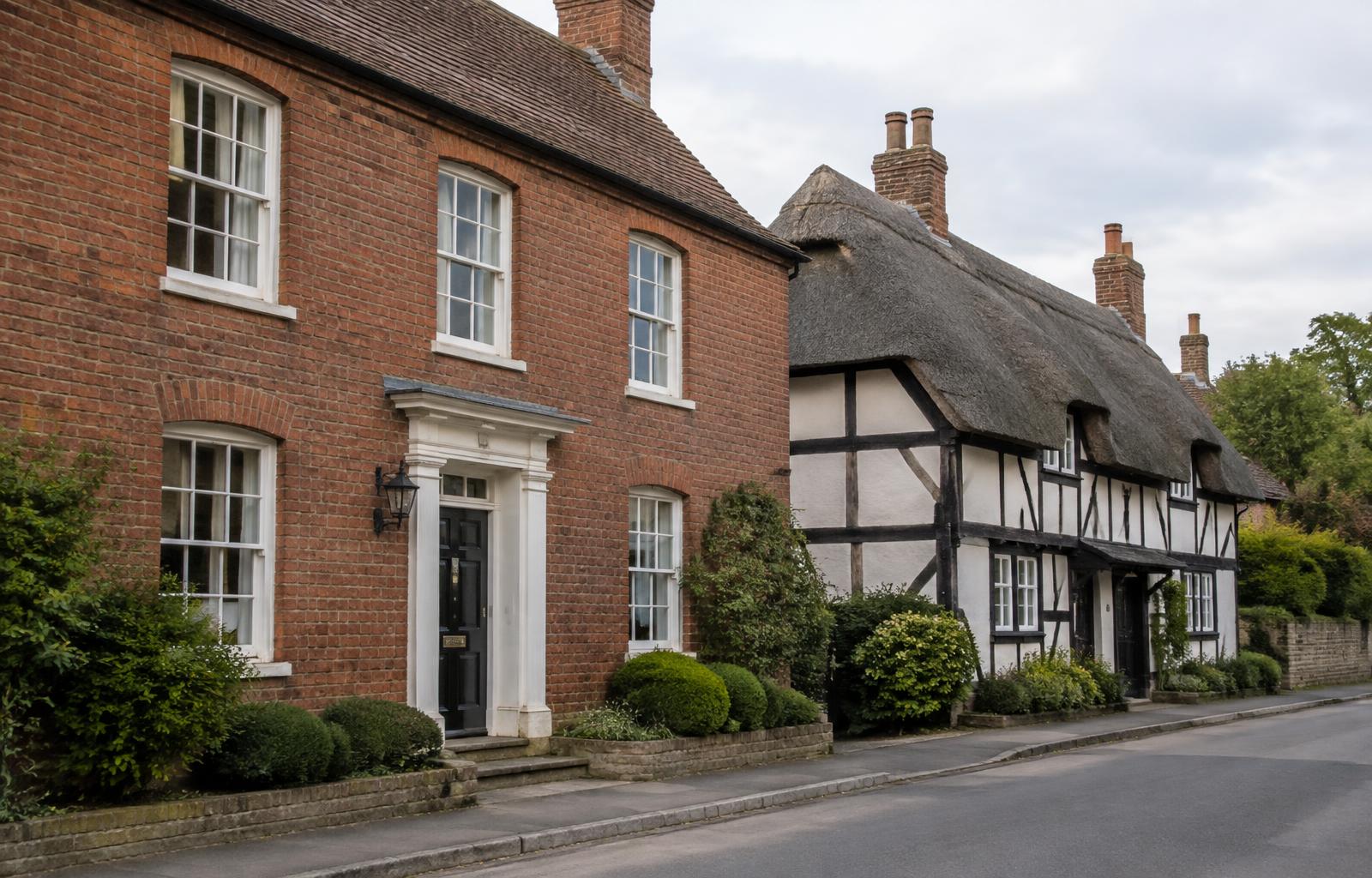
Tell us about your building, its listing grade and how it is used, and we will compare cover from UK insurers with appetite for heritage property. We aim to give you a response within 24 working hours.
Listed and period homes
Thatched and timber-framed properties
Country houses and estates
Listed hotels and coaching inns
Historic pubs and inns
Listed offices and shops
Mixed-use buildings with flats above
Listed buildings under renovation or standing empty
Each part of the UK runs its own listing system. Grade or category affects how insurers view a building, what its rebuild involves and which consents a repair requires.
Buildings of exceptional interest. Historic England says around 2.5% of listed buildings in England are Grade I.
Particularly important buildings of more than special interest. Around 5.5% of listed buildings in England are Grade II*.
Buildings of special interest. Around 92% of listed buildings in England are Grade II, so this is the grade most owners hold.
Scotland uses Categories A, B and C (Historic Environment Scotland). Northern Ireland uses Grades A, B+, B1 and B2 (Department for Communities). Listing covers the whole building, inside and out, and can extend to structures within its curtilage.
Listed buildings are insurable, but the cover should be built around how heritage repairs actually happen.
Repairs are usually expected to match the original materials and methods, such as lime mortar, handmade brick, oak framing, natural slate or thatch. A policy that only allows modern equivalents may not meet what the conservation officer requires.
The sum insured should reflect the full reinstatement cost, including specialist trades, professional fees, debris removal and VAT where it cannot be recovered. Market value is not a guide. If the sum insured is too low, many policies reduce a claim in proportion. Some owners choose to insure on a first loss limit, which means insuring the building partially rather than to its full value.
Works affecting a listed building's special interest require listed building consent, and carrying them out without it is a criminal offence. Reinstatement after a loss may itself require consent, adding time and fees.
Consent, specialist labour and sourcing matching materials can stretch repair timescales, so we'd advise setting realistic limits and indemnity periods for alternative accommodation, business interruption and loss of rent cover.
Timber frames, thatch, hidden voids and older wiring raise the fire risk. Hot works such as lead welding during repairs are a well-known cause of fires in historic buildings. Where a listed building has a commercial kitchen, some insurers may also look for extra precautions, such as automatic fire suppression.
Renovations and empty periods both change the risk, so we'd recommend telling your insurer about them. Policies commonly apply conditions such as regular inspections, draining water systems and securing the building.
Covers repair or rebuilding of the building like for like after damage from fire, flood, escape of water, storm, subsidence or malicious damage, subject to the policy terms.
Covers fees for conservation architects, surveyors and engineers, and the cost of complying with public authority requirements during reinstatement, subject to the policy limit.
Covers clearing the site and, where appropriate, salvaging and storing historic material for reuse.
Cover for furniture, paintings, antiques and collections, with agreed values available for high-value items.
Pays for somewhere suitable to live while a listed home is repaired, with a limit that reflects longer heritage rebuilds.
Covers loss of gross profit or gross revenue, depending on how the business trades, when a listed hotel, pub or other business cannot trade, with an indemnity period that allows for consent and specialist repair and a sum insured that matches it. Insurance gross profit differs from the gross profit in your accounts.
Covers rent lost from let or commercial listed buildings while they are being reinstated.
Covers your legal liability to visitors, tenants, guests and the public in connection with the building.
Cover for listed buildings standing empty or awaiting renovation, with the conditions insurers apply.
Price and policy wording are only part of the choice. When a listed building has a serious fire or flood, what matters most is how well the insurer handles a large heritage claim.
Insurers with a long record of reinstating heritage buildings tend to have claims handlers and loss adjusters who understand conservation requirements and listed building consent.
They are more likely to have established relationships with conservation architects, heritage surveyors and specialist contractors, which helps after a major loss when those trades are in demand.
Experienced heritage insurers prioritise making the building safe and recording and saving historic fabric, which protects what can be kept and reduces the cost of reinstatement.
An insurer that has reinstated listed buildings before is better placed to agree like-for-like work with the conservation officer, rather than pushing for modern equivalents.
When we compare insurers for a listed or heritage building, we weigh their experience of handling and funding large heritage reinstatement claims, not just the premium.
Having this ready means we can present your building fully and approach the right insurers first.
We recommend a reinstatement cost assessment by a surveyor with heritage experience, as generic online calculators are not a reliable basis for a listed building. Who pays varies: for larger properties some insurers will fund the survey themselves, some will want to survey a listed property in any case before offering terms, and for smaller properties others may ask you to commission one at your own cost.
Practical guidance for owners of listed and historic buildings.
Stay informed with our latest insights, guides, and expert analysis specifically relevant to the listed & heritage building insurance sector.
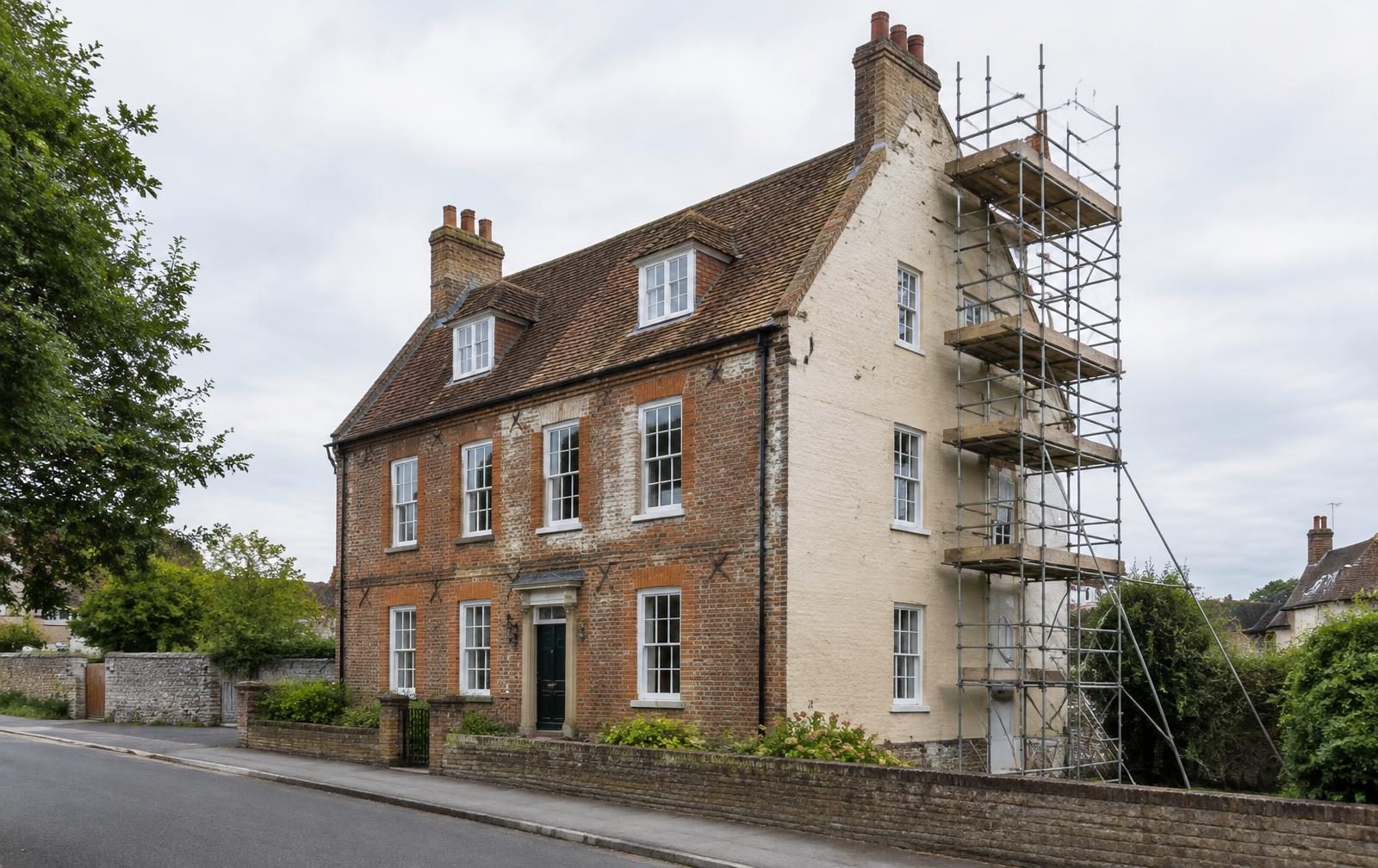
Insuring a listed building? Learn how like-for-like rebuild, consent and heritage claims work, how to avoid underinsurance, and how a broker can help.
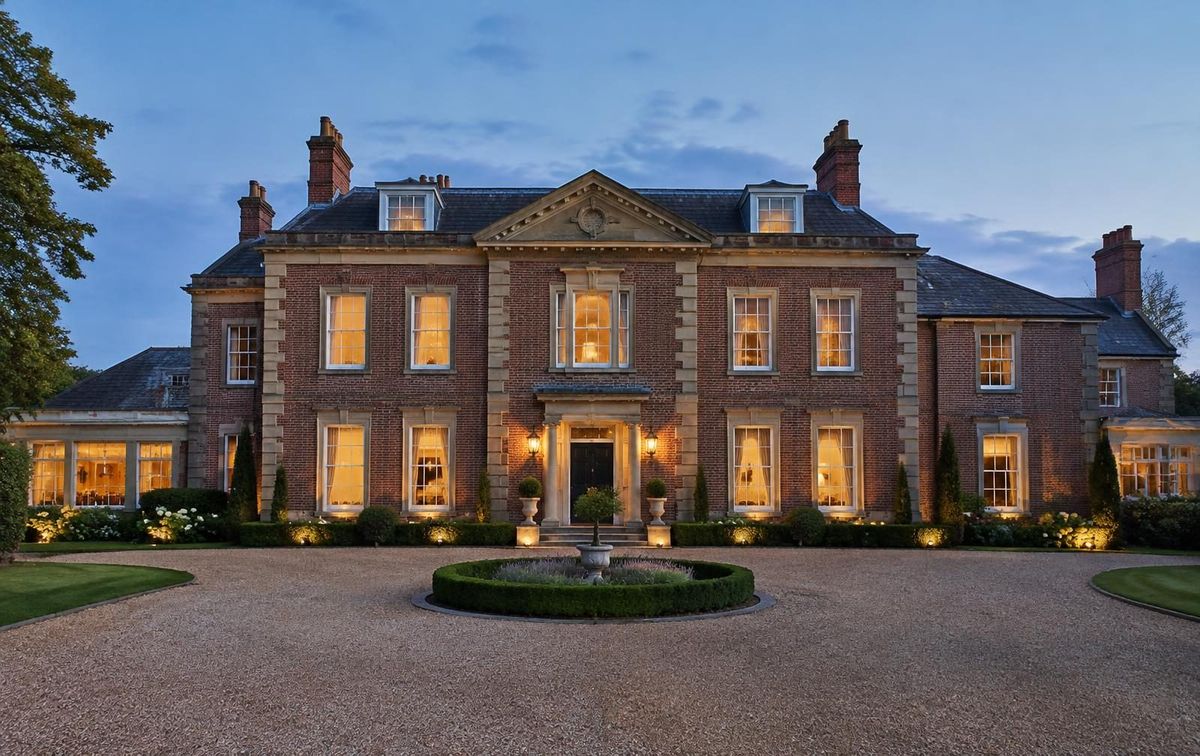
Listed hotel insurance explained: heritage rebuild values, longer business interruption, fire risk and who insures what. Speak to a Taurus broker today.
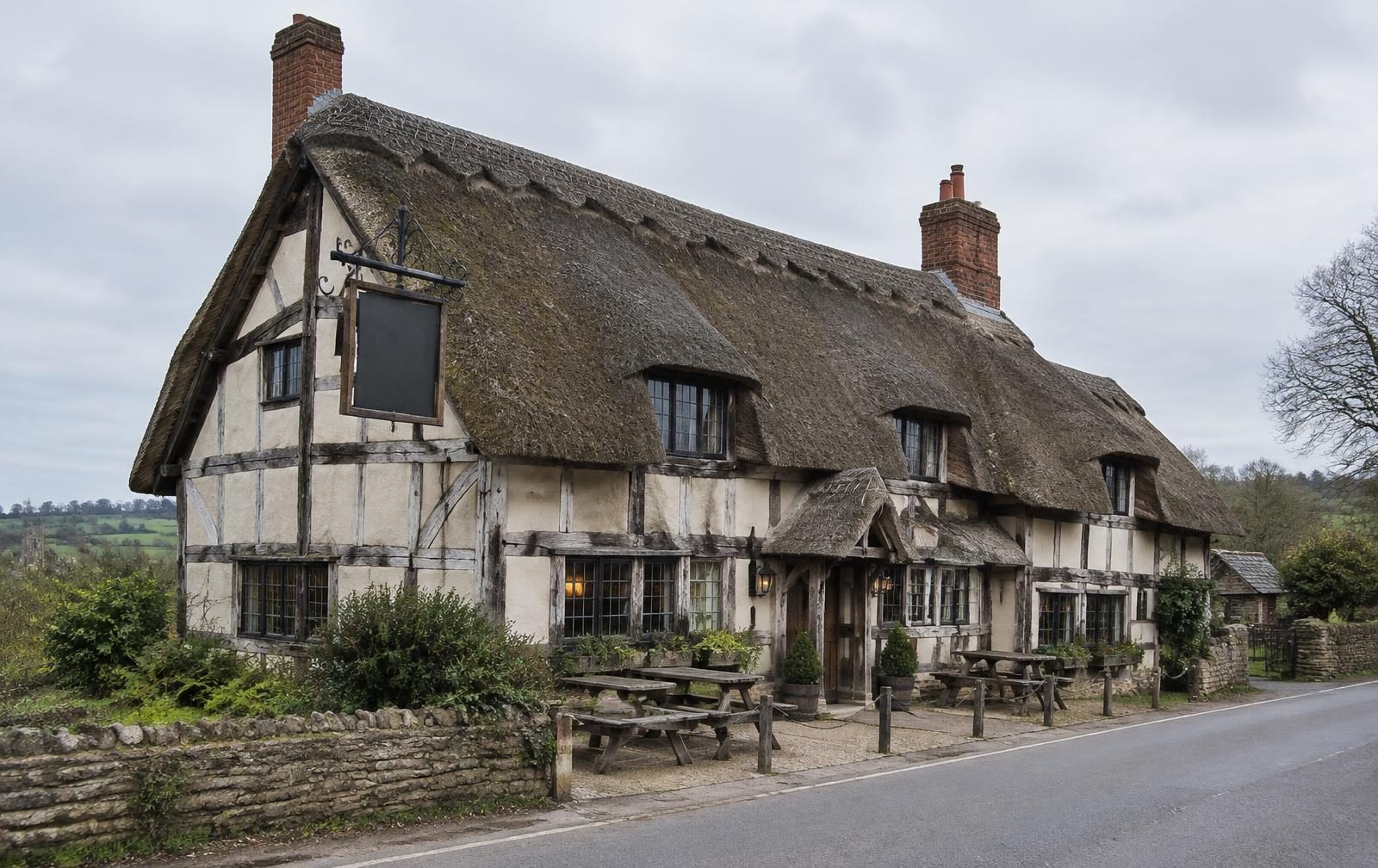
Listed pub insurance explained: thatched and timber-framed inns, rebuild cost vs sale value, business interruption and leases. Get broker advice today.
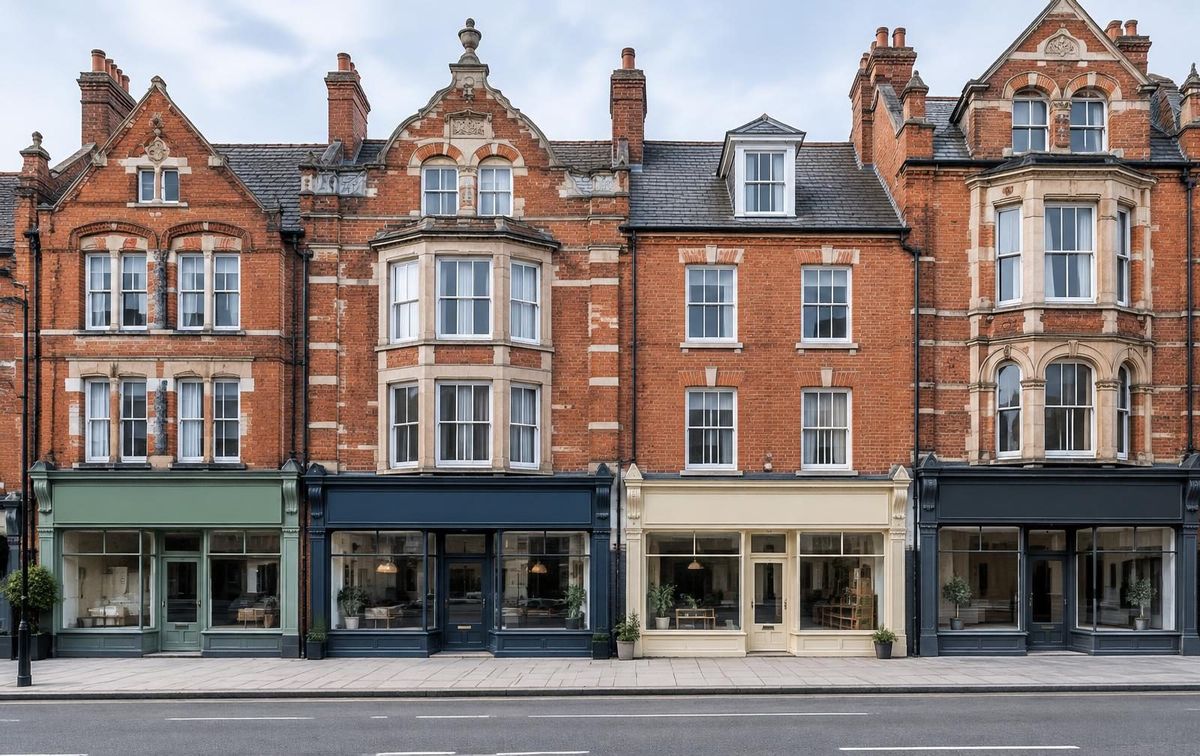
Listed commercial building insurance for landlords: FRI leases, flats above shops, loss of rent, liability and empty units. Speak to a Taurus broker.
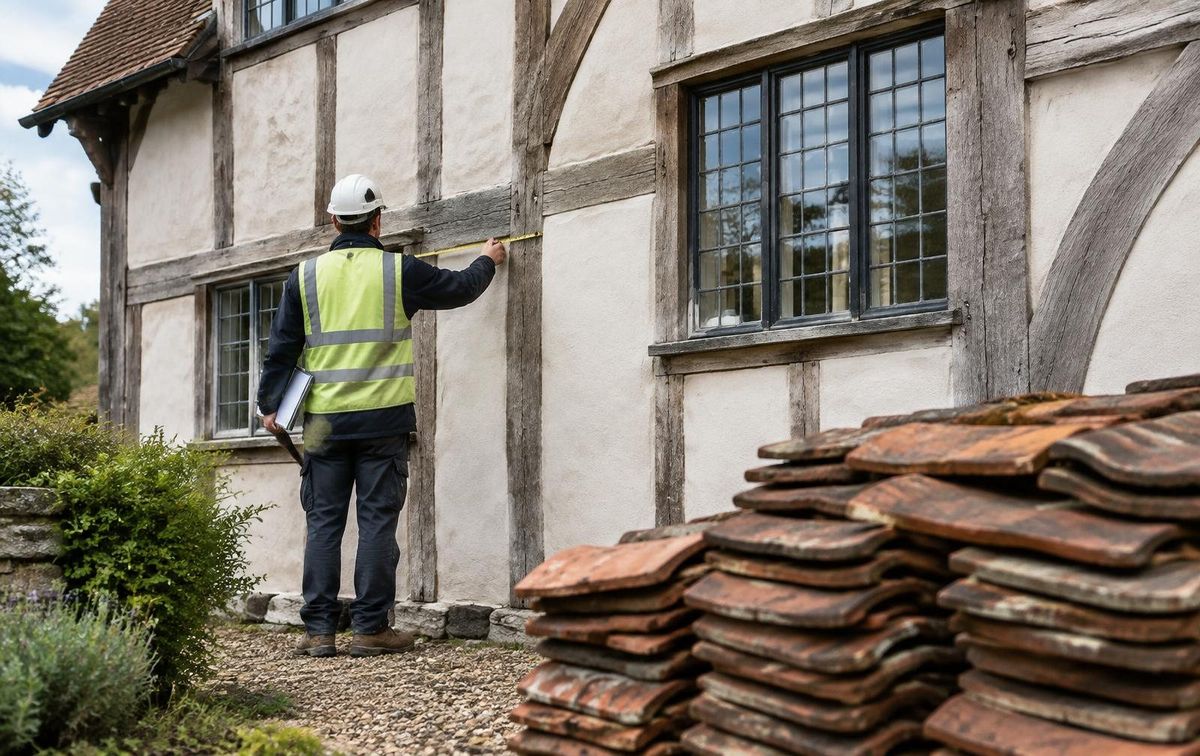
Rebuild cost for a listed building is rarely market value. See what a reinstatement cost assessment includes, avoid underinsurance and ask a broker.
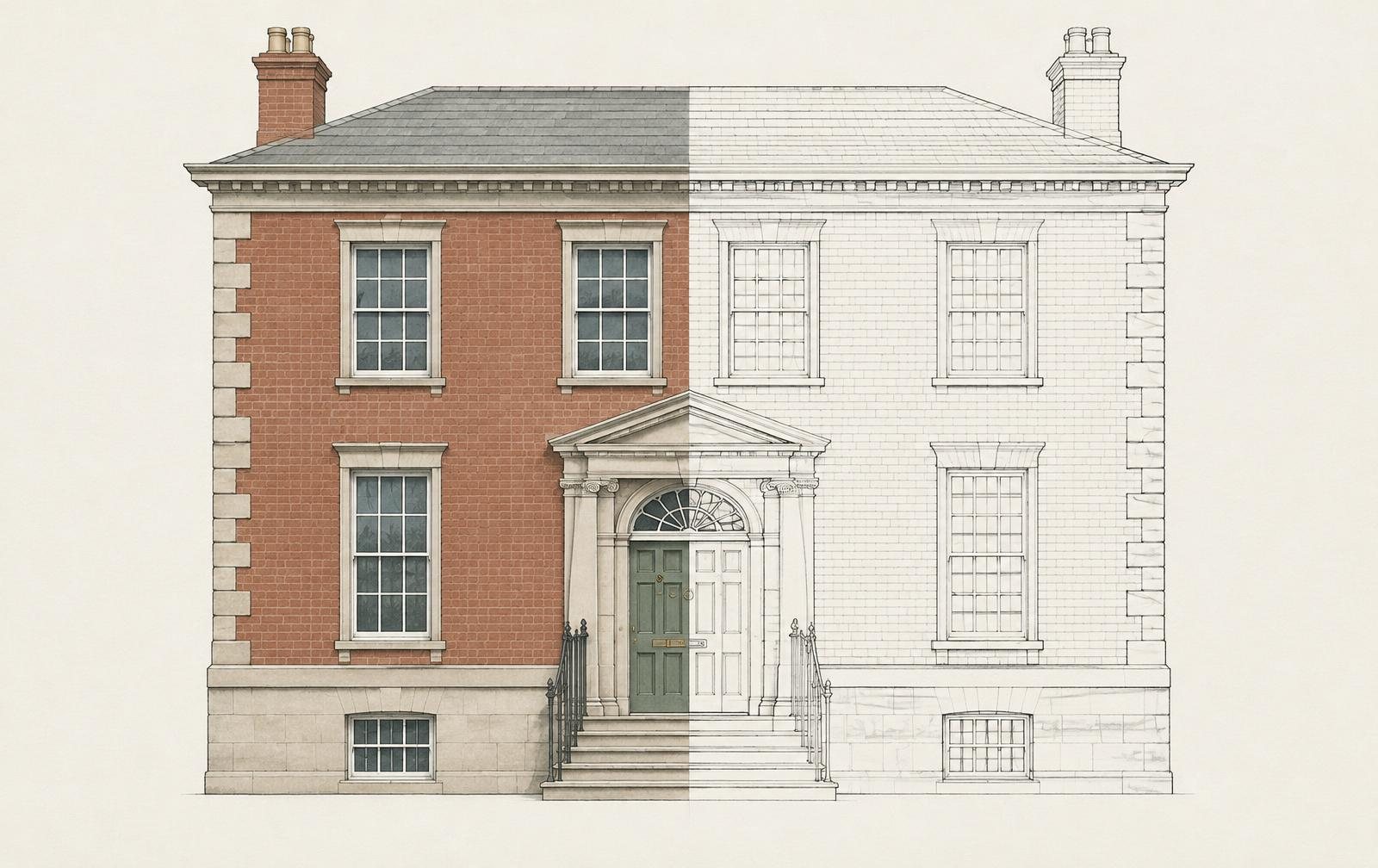
Underinsurance on a listed building lets the average clause cut every claim. See why it happens, how to fix it and get your sum insured checked.
Get in touch to discuss cover for your listed home or heritage building. We will compare insurers with appetite for historic property and help you check that the sum insured and policy basis fit your building.
