What is listed pub insurance?
Listed pub insurance is a commercial package for a pub in a listed building. It typically combines buildings, contents and stock, business interruption, and public, products and employers' liability.
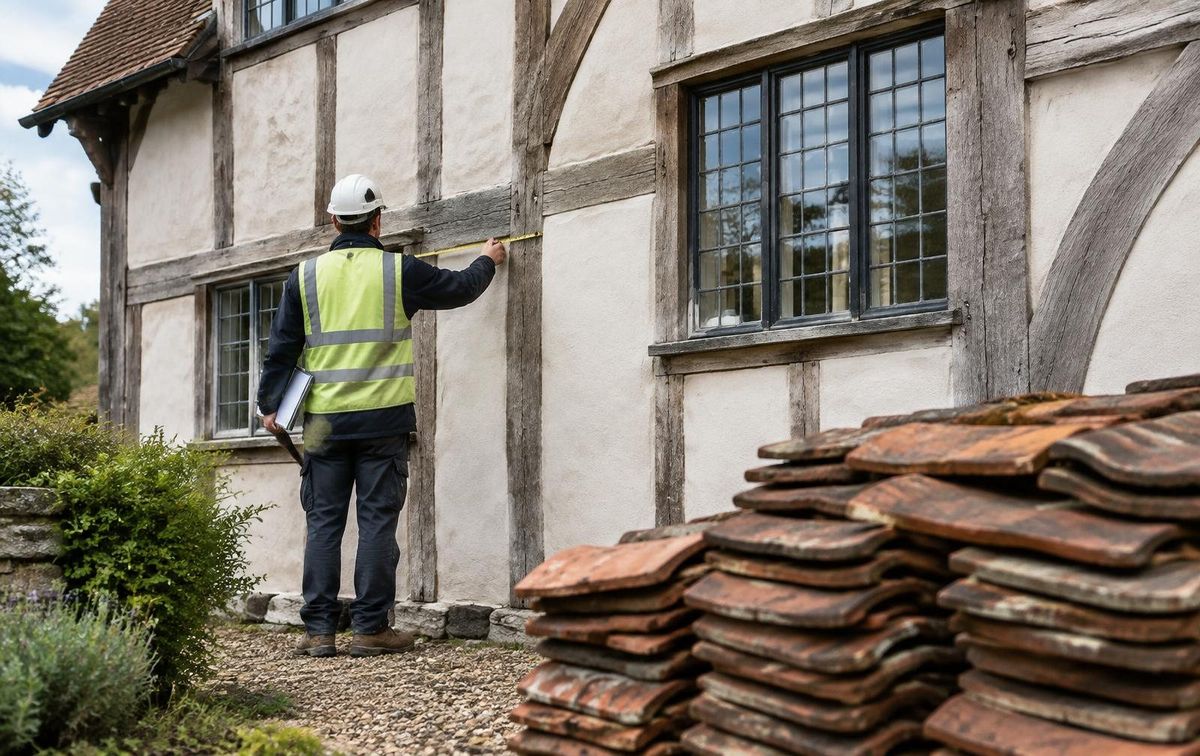
What sets it apart is the building. Listing protects the whole structure, inside and out. After a loss, beams, inglenooks, panelling and bar fittings may need reinstating with matching materials and traditional methods.
The same approach suits many listed and historic pubs of traditional construction. For the basics of pub cover, see our specialist pub insurance page. For heritage cover in general, see our guide to insuring a listed building.
Why is rebuild cost different from a pub's value?
A pub's market value reflects its trade, location and licence. Its rebuild cost reflects what it would take to reconstruct the building like for like. The two can be far apart.
A rural free house with modest trade may sell for less than it would cost to rebuild in oak and thatch. A busy town pub may sell for more than its rebuild cost. Insurers pay to reinstate, so the buildings sum insured should come from a reinstatement cost assessment, not a valuation for sale.
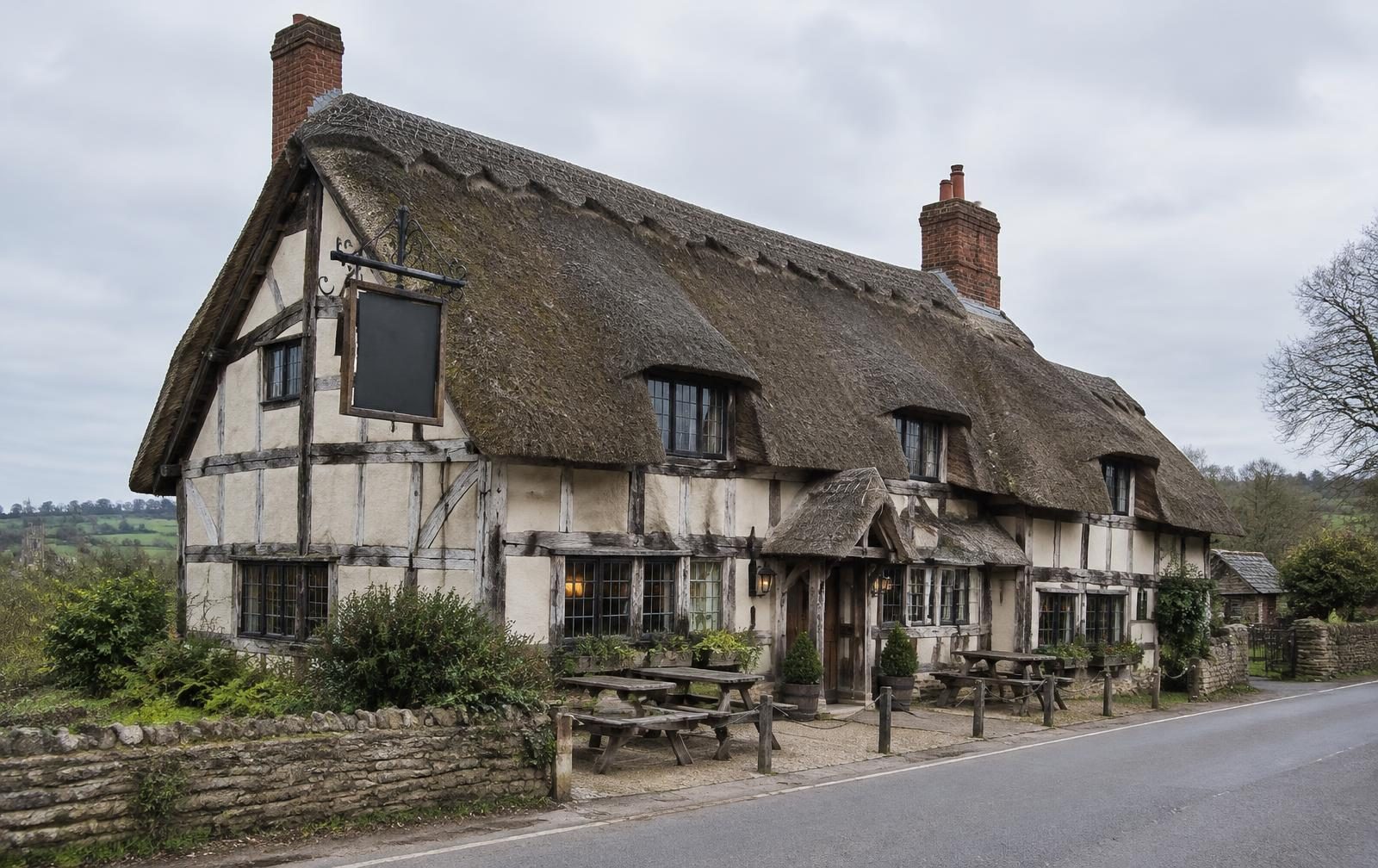
Illustrative example: A Grade II thatched inn might be valued at £650,000 as a business. A heritage surveyor estimates reinstatement at £1,100,000, including thatch, oak frame, lime render and fees. Insuring at the sale value would leave it seriously underinsured.
See our guide to listed building rebuild cost.
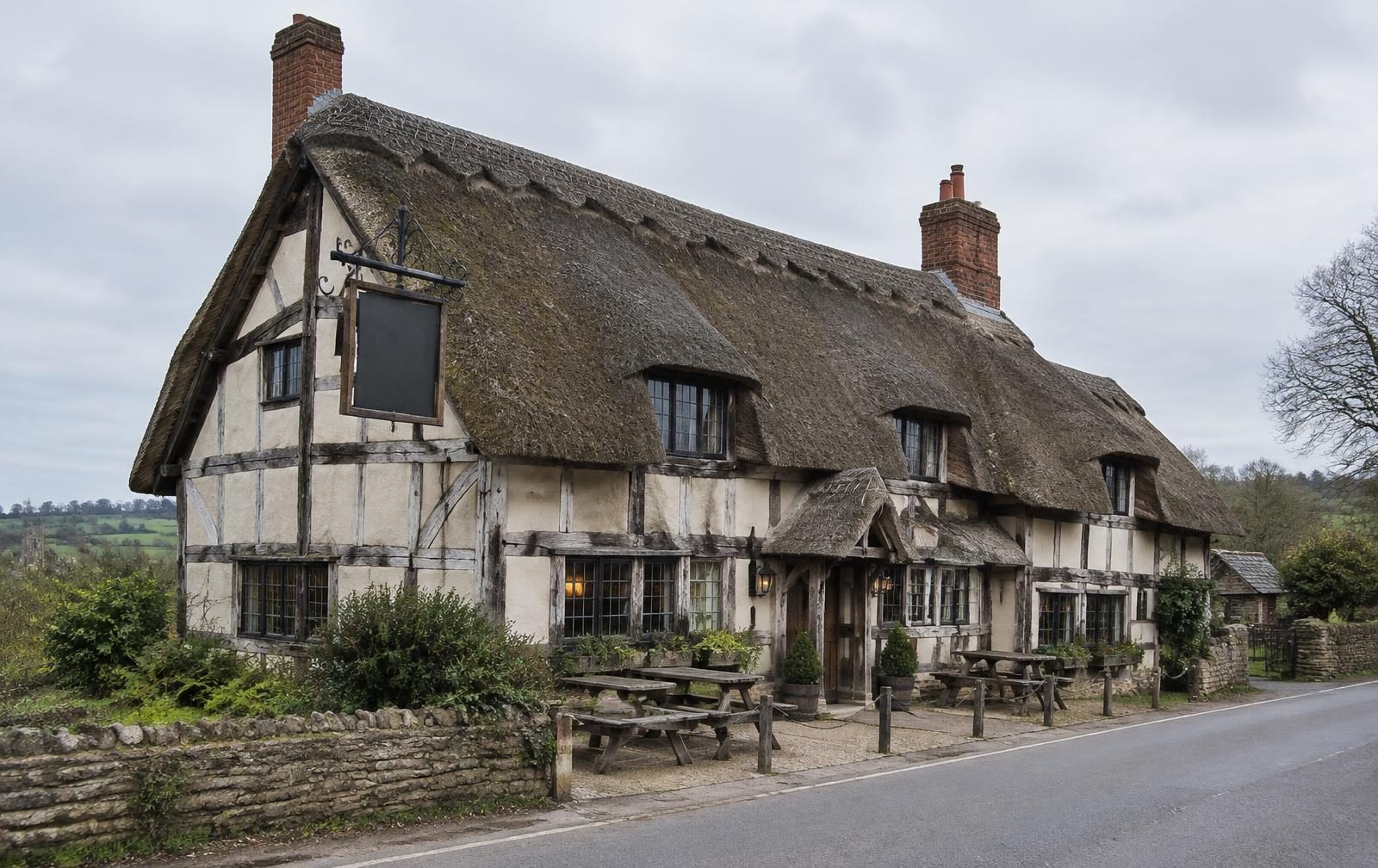
Can you insure a thatched or timber-framed pub?
Yes. Thatched and timber-framed pubs are insurable, but only with insurers who have appetite for them. Expect detailed questions about how fire could start and spread.
Insurers commonly ask about:
| Area | What insurers look at |
|---|---|
| Chimneys | Number, condition, liners, sweeping frequency |
| Open fires and stoves | Type, location, distance from thatch, spark arrestors |
| Thatch | Material, age, condition, fire retardant treatment, fire barriers |
| Wiring | Age and date of last electrical inspection |
| Detection | Fire alarm type, coverage and monitoring |
| Kitchen | Extraction, duct cleaning, fryer controls |
| Outdoor heating | Patio heaters, fire pits, barbecues near the building |
| Smoking areas | Location relative to thatch and timber |
For more on thatch, see thatched property insurance.
How should business interruption be set for a listed pub?
We'd usually advise insuring a pub's gross profit or gross revenue, depending on the circumstances, with an indemnity period that reflects a slow heritage rebuild. Many listed pubs need longer than 12 months, with 18, 24 or 36 months often more realistic, and the sum insured should match the period chosen.
A thatched or timber-framed pub destroyed by fire may face months of design, consent and material sourcing before work begins. Then trade needs rebuilding. Regulars may have moved on, and functions and accommodation bookings take time to return.
Points to check:
- Gross profit or gross revenue basis. We'd advise checking with your accountant which basis fits how the pub trades, and that the policy definitions match your accounts. Insurance gross profit is generally turnover less specified variable costs, such as purchases, so it differs from the gross profit in your accounts.
- Indemnity period. Map realistic consent, rebuild and recovery times.
- Extensions. Denial of access, failure of utilities, and loss of attraction where relevant.
- Staff. Whether you can keep key staff on during closure.
Our pub insurance specialists can explain what drives the premium.
What about cellar and escape of water risks?
Cellars and old plumbing make escape of water a significant risk in historic pubs. Water can damage lime plaster, timber and flooring, which are slow and costly to repair like for like.
Cellar risks include beer line and cooling failures, flooding and pump breakdown. Insurers may ask about cellar condition, drainage and whether stock is raised off the floor. Check that stock deterioration and cellar equipment breakdown are covered if you need them.
Is fire in the kitchen a major concern?
Yes. Insurers treat commercial kitchens as a key fire hazard, and in a listed pub a kitchen fire can reach timber frames and roof voids quickly. Some insurers may therefore expect stronger kitchen controls than in a modern pub, such as automatic suppression over the cooking range.
Insurers will expect regular extraction duct cleaning, safe fryer use and good housekeeping. In England and Wales, the Regulatory Reform (Fire Safety) Order 2005 requires a fire risk assessment for business premises. Keep it current and act on its findings.
What do insurers need to see from a listed pub?
Insurers need evidence that the building is valued correctly and that fire risks are controlled. Good risk information, including maintenance records for the roof, thatch and gutters, helps an underwriter offer terms.
What to have ready for a quote
- The listing grade or category.
- Construction of the walls, roof, floors and framing, and the age of each part.
- A current reinstatement cost assessment: its figure, when it was done and by whom.
- Whether an electrical inspection has been carried out, and when.
- Heating, fire and security protections, including chimney sweeping and duct cleaning records.
- Your current fire risk assessment and fire alarm details.
- Annual revenue, split between drink, food, letting rooms and events.
- Gross profit or gross revenue figures, ideally confirmed by your accountant, and your current business interruption basis and indemnity period.
- Wageroll, for employers' liability.
- Number of letting rooms and typical occupancy.
- Events you host, such as live music, functions and private hire.
- How each part of the building is used, including any flat or accommodation above.
- Any planned or ongoing works, and any periods of closure.
- The lease or tenancy insurance clause, if the pub is tied or leased.
- Your claims record for the last five years.
Freehold, tied or leased: who insures the building?
Who insures the building depends on how the pub is held. The lease or tenancy agreement sets out the insurance obligations.
| Model | Who usually insures the building | Who insures contents, stock and trade | Points to check |
|---|---|---|---|
| Freehold free house | Owner | Owner | Sum insured on reinstatement basis |
| Tied tenancy or lease | Often the pub company, recharged to tenant | Tenant | What the tenant is responsible for insuring, including fixtures |
| Free-of-tie lease | Per lease; can be landlord or tenant | Tenant | Who bears uninsured or excess losses |
| Managed house | Pub company | Pub company | Usually handled centrally |
Tenants should check whether they are responsible for fixtures, tenant's improvements or glass. Landlords should make sure they are protected for loss of rent. See our commercial property insurance page.
Do letting rooms above the pub change the cover?
Yes. Letting rooms bring guests onto the premises overnight and add accommodation income to protect. Insurers will usually expect to be told.
Disclose the number of rooms, any separate fire escapes and alarms, and whether rooms are let to guests or longer-term tenants. Accommodation income should be included in business interruption.
Residential flats let on tenancies may need a different approach. Our mixed-use building insurance page covers this.