What is listed hotel insurance?
Listed hotel insurance is a commercial package for a hotel in a listed building. It combines property, business interruption and liability cover, with the buildings insured on a like-for-like reinstatement basis.
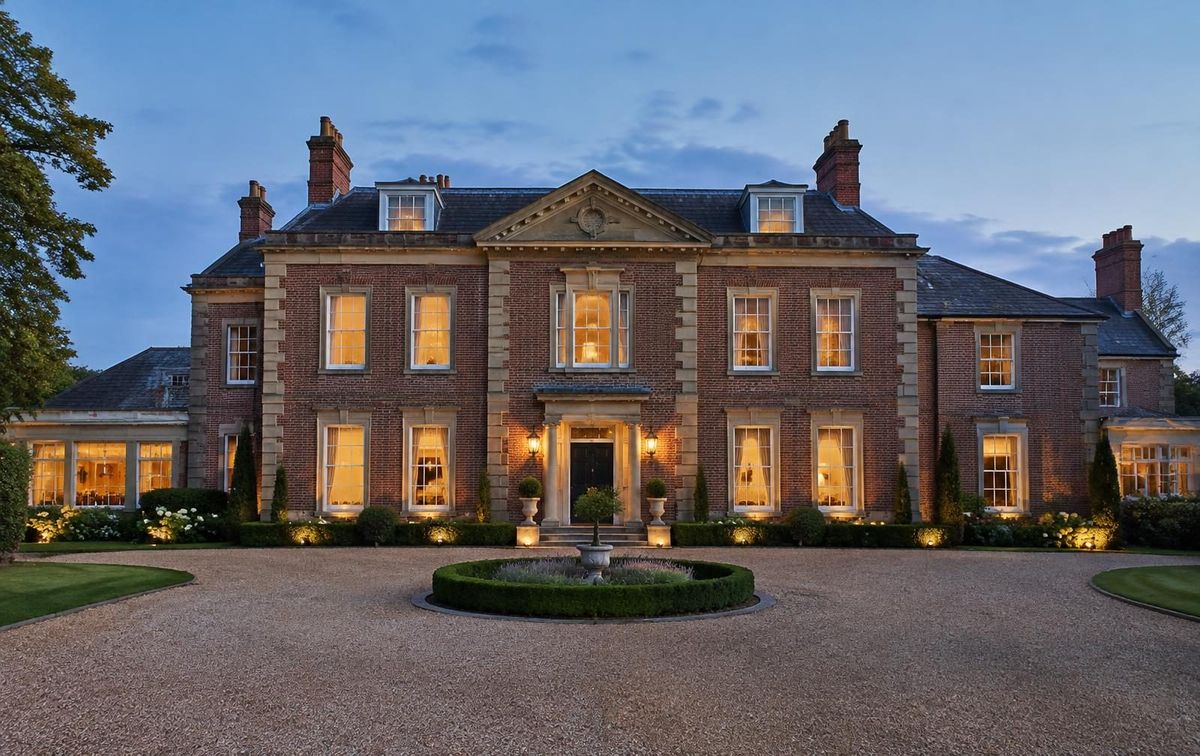
A listed hotel pairs a heritage building with a busy commercial operation. Both the rebuild and the business recovery are slower and more expensive than for a modern hotel. Many historic hotels that are not listed, such as period or traditionally built properties, raise similar issues.
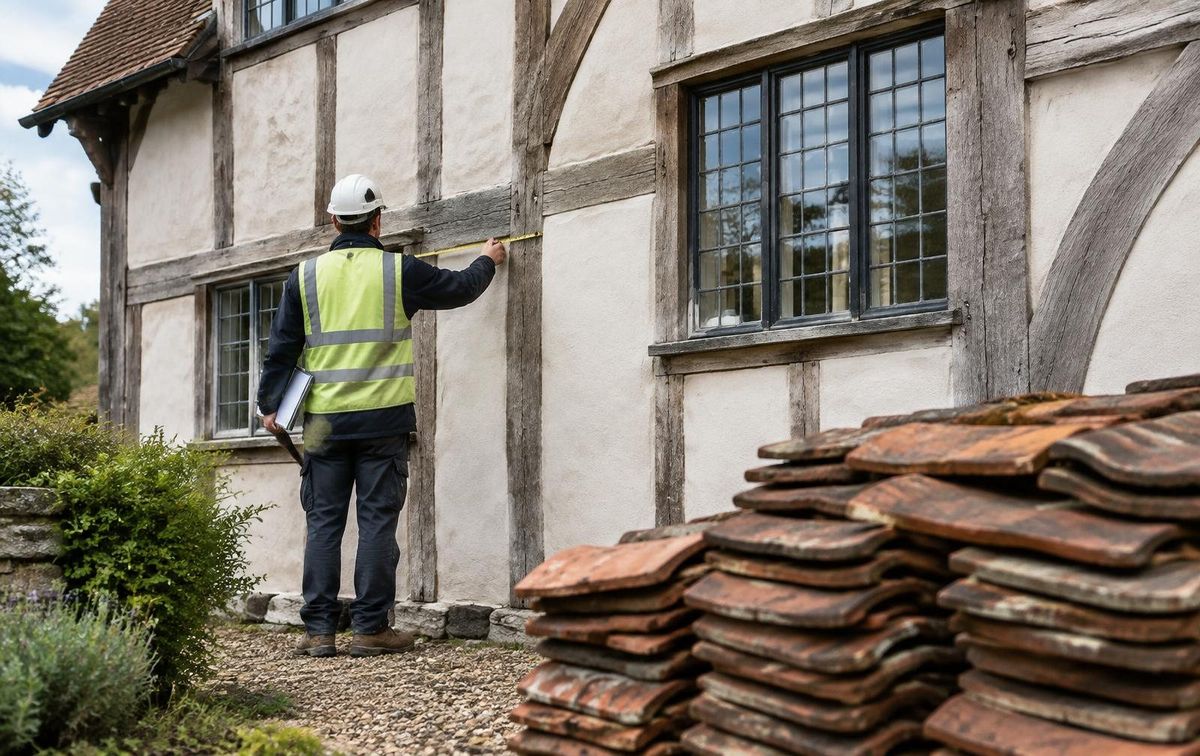
Listing protects the whole building, inside and out, and may extend to older structures in its grounds. After a fire or flood, the local planning authority will usually expect damaged historic fabric to be reinstated in kind. That shapes the sum insured, the business interruption cover and the claim itself.
For the wider picture, see our hotel insurance page and our guide to insuring a listed building.
How should a listed hotel's rebuild cost be valued?
The buildings sum insured should reflect the full cost of reinstating the hotel like for like. It should include professional fees, debris removal, consent costs and VAT you cannot recover.
Hotels add complications. Function rooms may have decorative plaster ceilings, and bedrooms may sit within listed partitions. Later extensions, often unlisted in their own right, can be attached to a listed core.
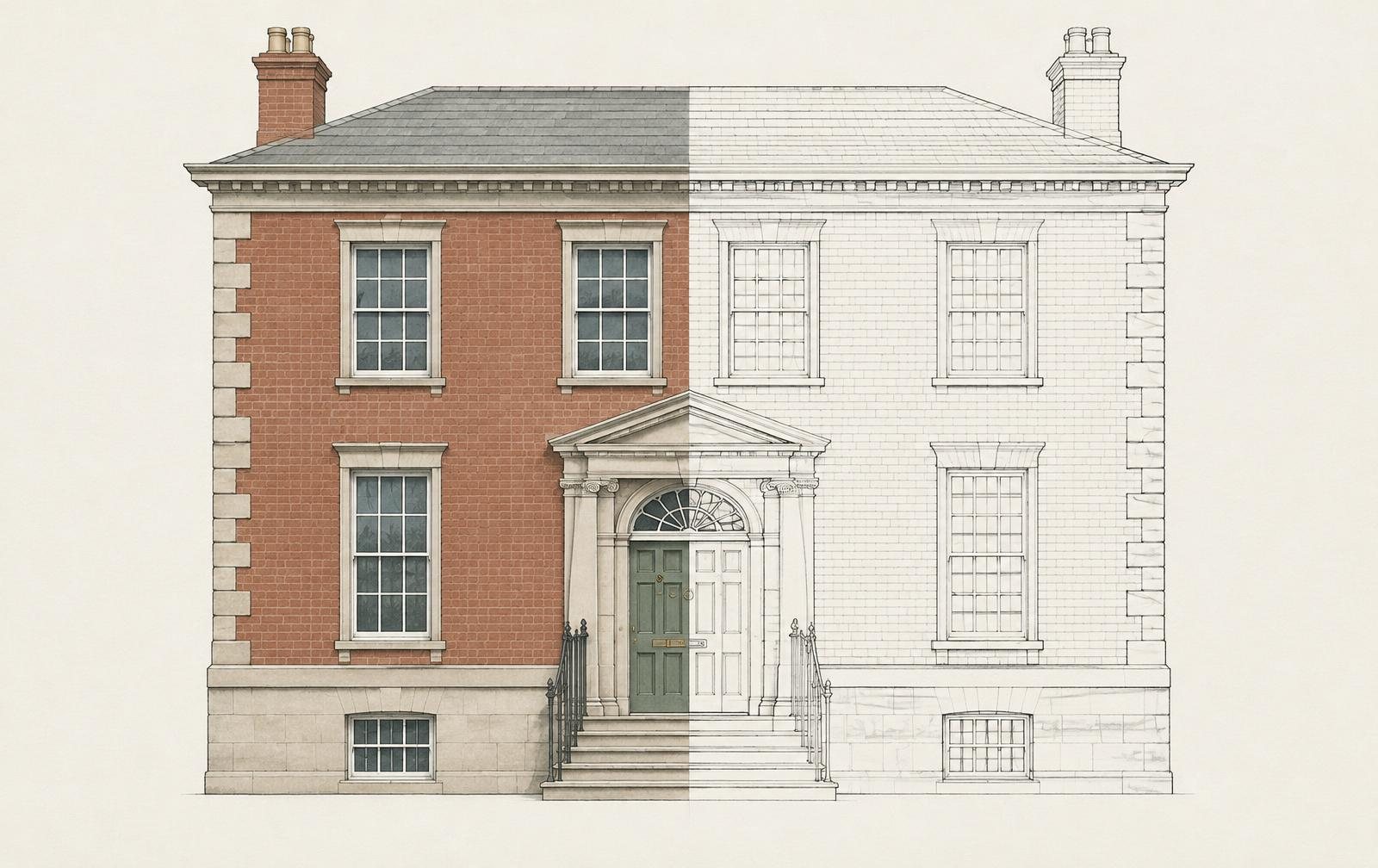
A reinstatement cost assessment by a surveyor with heritage experience is the sound starting point. Review it after any major refurbishment and periodically as build costs move. Our guide to listed building rebuild cost explains what to include.
If the figure is too low, underinsurance can reduce what is paid on a claim.
How long should the business interruption indemnity period be?
For a listed hotel, the indemnity period should cover the full time to rebuild, reopen and recover trade. That is often longer than 12 months, a common starting point on many policies, with 18, 24 or 36 months often more realistic. The sum insured should reflect the full indemnity period.
Several factors stretch the timeline:
- Consent. Reinstatement works may need listed building consent before they start.
- Design. A conservation architect may need to survey and specify the works.
- Materials and trades. Matching stone, handmade brick, lime plaster and joinery can have long lead times.
- Fit-out. Bedrooms, kitchens and function spaces are then refitted and inspected.
- Recovery. Lost bookings, weddings and corporate contracts take time to win back.
We'd usually advise insuring gross profit or gross revenue, depending on how the hotel trades and is structured, on figures your accountant has checked. Insurance gross profit is generally turnover less specified variable costs, such as purchases, so it differs from the gross profit in your accounts. Consider extensions such as loss of attraction, denial of access and failure of public utilities. Our hotel insurance specialists can show how these choices affect premium.
Illustrative example: A listed hotel insures £2,000,000 a year of revenue. A serious fire closes it for 20 months, then trade takes a further six months to recover. On a 12-month indemnity period, the hotel would be uninsured for over half of that disruption.
Why is fire such a concern in listed and historic hotels?
Listed and historic hotels combine commercial kitchens, sleeping guests and old building fabric. Fire can spread unseen through voids and roof spaces that a modern building would compartment.
Underwriters focus on:
- Kitchens. Extraction ducting, cleaning frequency, fryer suppression and hot surfaces. For a listed building, some insurers may look for a higher standard, such as automatic suppression over the cooking range.
- Roof voids. Timber roofs, often with limited fire breaks and difficult access.
- Hidden voids. Gaps behind panelling, under floors and in chimney breasts.
- Electrics. Age of wiring and date of the last electrical inspection.
- Detection. Type and coverage of the fire alarm, and whether it is monitored.
- Hot works. Controls and permits for contractors using heat or flame.
In England and Wales, the Regulatory Reform (Fire Safety) Order 2005 requires a fire risk assessment for premises such as hotels. Insurers will expect it to be current and acted on.
What liability risks does a listed hotel carry?
A listed hotel carries the same guest and staff liability as any hotel, with extra exposure from historic features. Uneven floors, steep stairs and low beams can all lead to injury claims.
Key covers include public and products liability for guests and visitors, and employers' liability for staff. Hotels also usually need cover for guests' property.
Adjustments to improve safety, such as handrails, may themselves need listed building consent. Plan these with the conservation officer.
What is loss of licence cover?
Loss of licence cover protects the value of a premises licence if it is revoked, suspended or not renewed. It matters most where the licence underpins much of the hotel's value.
In England and Wales, a premises licence under the Licensing Act 2003 can be reviewed, and the licensing authority can impose conditions or revoke it. Cover terms and exclusions vary, so check how the insurer defines the trigger and the amount payable.
Owner or operator: who insures a listed hotel?
The lease or management agreement decides who insures the building, contents and trading income. Read it before arranging cover.
| Arrangement | Buildings | Contents and fit-out | Business interruption | Points to check |
|---|---|---|---|---|
| Owner-operated freehold | Owner | Owner | Owner | Single policy; check like-for-like basis |
| Lease, landlord insures | Landlord, recharged to tenant | Tenant | Tenant | Tenant's interest noted; loss of rent for landlord |
| Lease, tenant insures (FRI) | Tenant, as required by lease | Tenant | Tenant | Lease insurance clause, landlord noted |
| Management agreement | Usually owner | Owner or operator per agreement | Usually owner, sometimes operator's fees | Who bears loss of management fees |
Whoever insures, the other party usually wants its interest noted and evidence of cover. Gaps commonly appear around tenant's improvements and the operator's own income.
What about alterations and refurbishment?
Refurbishment is one of the riskiest times for a listed hotel. Works affecting the building's character need listed building consent, and contractors bring hot works and ignition sources.
Before work starts:
- Tell your insurer about the scope, timing and value.
- Confirm consent is in place.
- Agree how the existing structure and the new works are insured, coordinating with the contractor's insurers.
- Review the sum insured once works finish.
See listed building renovation insurance for more detail. If the hotel closes for the works, check the unoccupancy terms too.
What to have ready for a quote
- The listing grade or category, and details of any later extensions.
- Construction of the walls, roof, floors and framing, and the age of each part.
- A current reinstatement cost assessment: its figure, when it was done and by whom.
- Whether an electrical inspection has been carried out, and when.
- Heating, fire and security protections, including your fire risk assessment, alarm details and kitchen duct cleaning records.
- Annual revenue, split between rooms, food, drink and events, ideally confirmed by your accountant.
- Gross profit or gross revenue figures and your current business interruption basis and indemnity period.
- Wageroll, for employers' liability.
- Number of letting rooms and typical occupancy.
- Events and functions you host, such as weddings, live music and private hire.
- How each part of the building is used, including staff accommodation and any areas let to others.
- Any planned or ongoing works, and any periods of closure or unoccupancy.
- The lease or management agreement insurance clause.
- Your claims record for the last five years.